
Last updated November 24, 2026
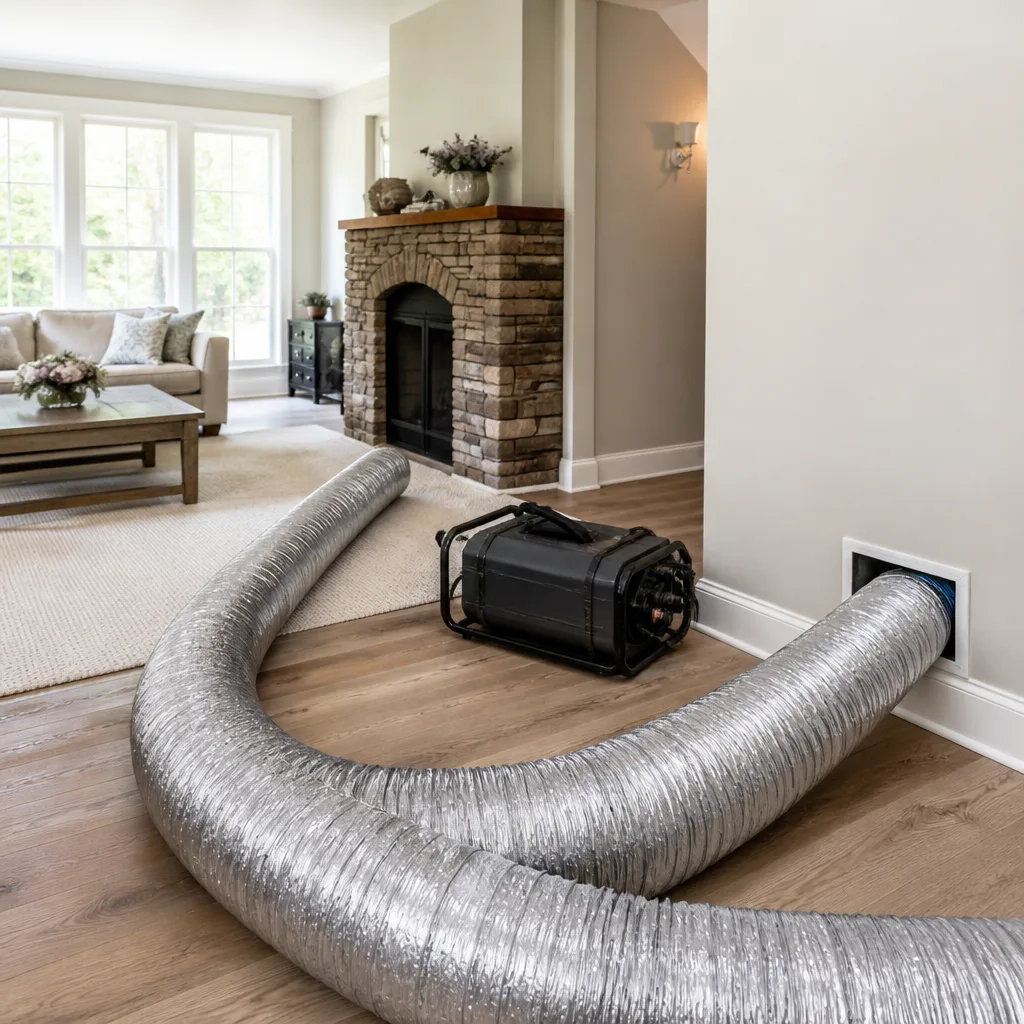 Whole-home duct cleaning
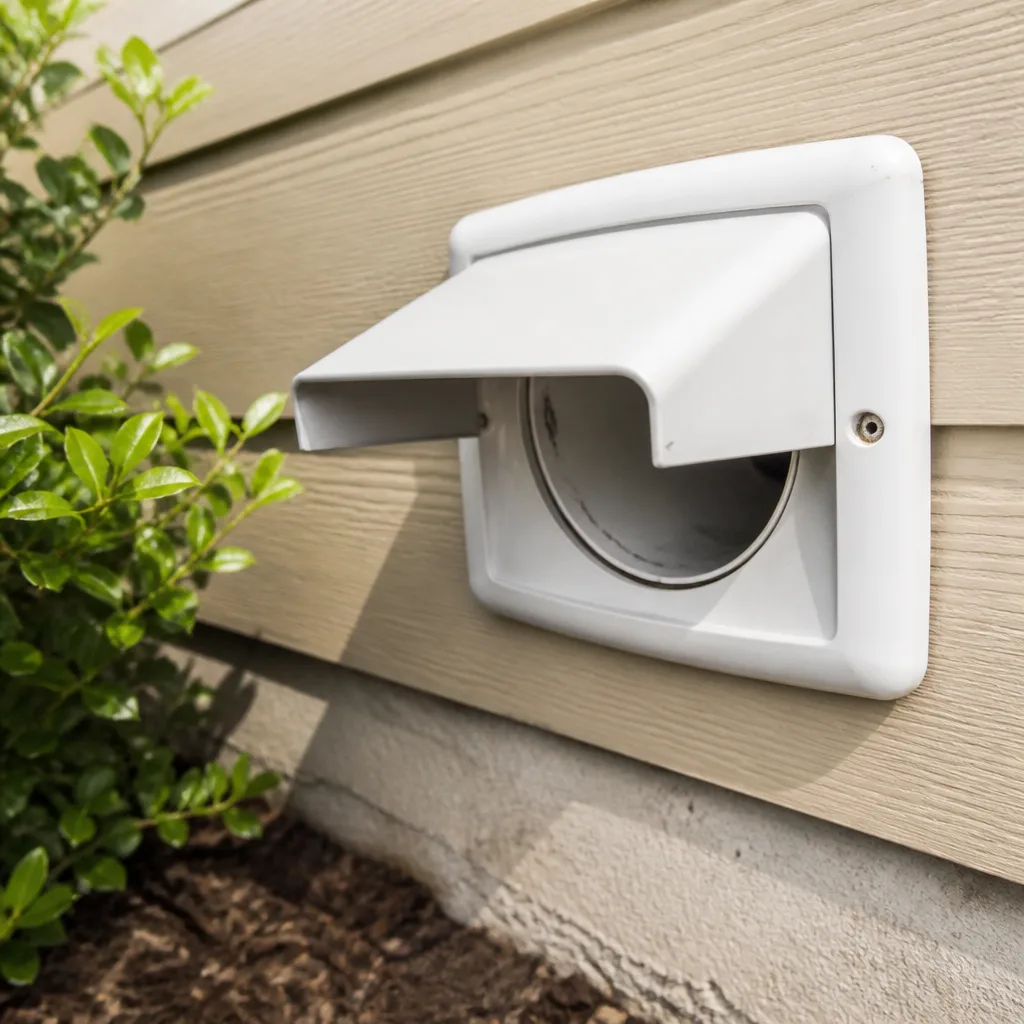 Dryer vent cleaning
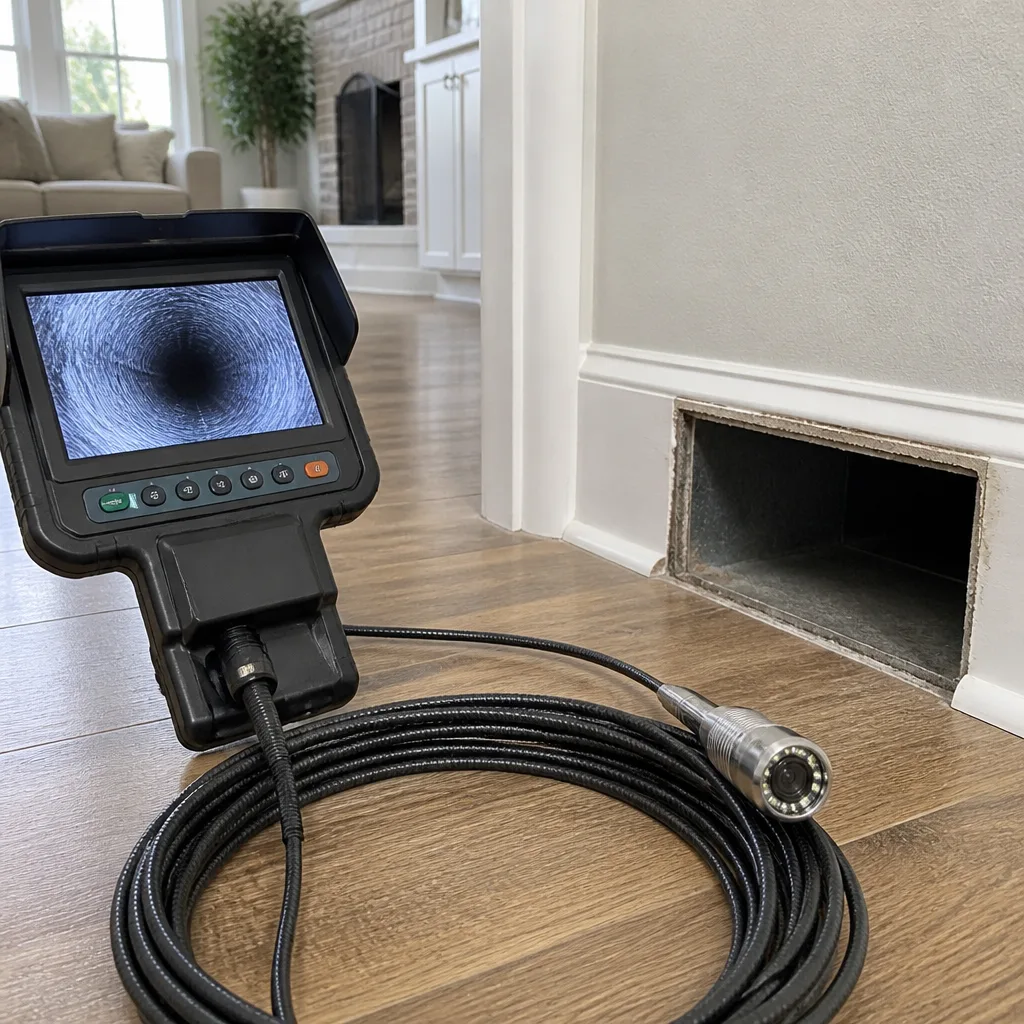 Camera inspection
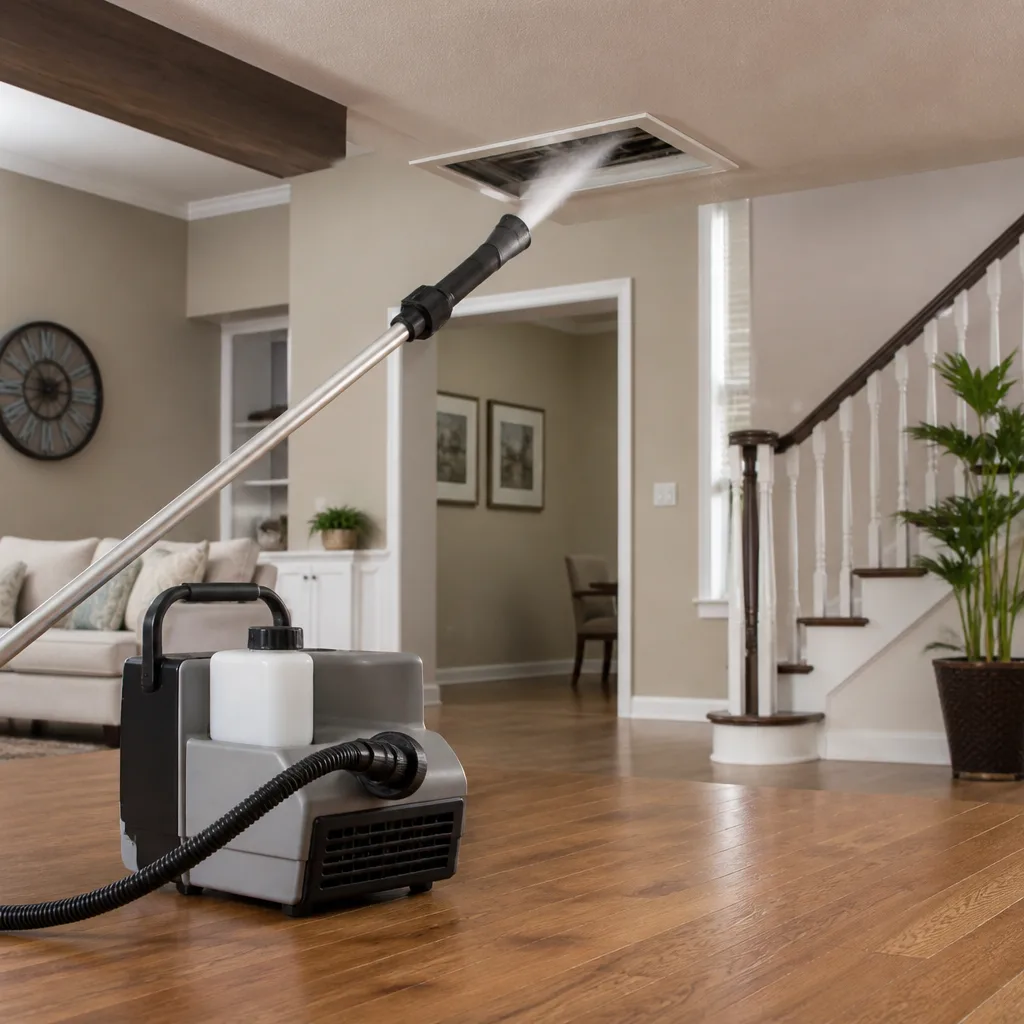 Sanitizing & deodorizing
Whole-system duct and dryer vent check with before-and-after photos - you see exactly what came out of your vents
That "$99 whole-house special" is a bait ad - the real number appears once they are in your hallway, or the "clean" is a shop-vac at the register. We photograph the inside of your ducts before and after instead.
DIY vs Professional Air Duct Cleaning: The Holladay Homeowner’s Decision Guide
Most homeowners assume the question is a simple one: clean the ducts yourself and save money, or pay someone to do it. That framing misses what actually separates the two approaches. A consumer shop vacuum moves roughly 1 to 2 inches of water column in negative pressure. A professional collection system pulls 8 to 12. That gap isn’t a sales pitch; it’s the physical reason why DIY vacuuming often pushes dust deeper into the system instead of lifting it out. In this guide, we’ll map the real boundary between what a Holladay homeowner can do well and what requires equipment no rental counter carries, so you can decide based on capability rather than price alone.
Quick Answer
Homeowners in Holladay can handle register cleaning, filter changes, return grille washing, and dryer vent visual checks with basic tools. True source-removal duct cleaning requires sustained negative pressure of 8 to 12 inches of water column, rotary agitation, and HEPA filtration that no consumer vacuum reaches. If your ducts have visible debris, mold, pest activity, or post-renovation dust, professional service is the only method that actually removes it rather than redistributing it.
Styles & brands we work with
- Whole-home duct cleaning
- Dryer vent cleaning
- Camera inspection
- Sanitizing & deodorizing
Table of Contents
- What a Holladay Homeowner Can Legitimately Do Themselves
- The Negative-Pressure Threshold: Why Consumer Equipment Falls Short
- When DIY Makes the Professional Job Harder and More Expensive
- When Professional Service Isn’t Optional
- A Realistic Cost-Benefit Model for Holladay Homes
- What Professional-Grade Equipment Actually Does
- Holladay Climate, Housing Stock, and Duct Debris
- Common Mistakes to Avoid
What a Holladay Homeowner Can Legitimately Do Themselves
We’re not going to tell you every duct task requires a truck. Plenty of the maintenance that keeps a system running well is genuinely within reach of anyone with a screwdriver and an hour to spare. The key is knowing which layer of the system you’re working on. Supply registers, return grilles, and filters sit at the surface of the system; they’re the parts you can see and reach. The ductwork behind them is a different story.
The tasks below are worth doing yourself, and doing them consistently extends the life of the system between professional cleanings.
- Change or clean your filters. This is the single highest-impact thing you can do. A clogged filter strains the blower and reduces airflow to every room. Check monthly during heavy-use seasons and replace when you can no longer see light through the media.
- Remove and wash return grilles. The large return grille pulls the most air and collects the most dust. Pop it out, wash it in the sink with mild soap, and let it dry fully before reinstalling.
- Register cleaning and vacuuming. Use a vacuum with a brush attachment to clear dust from the face of supply registers. Wipe the slats with a damp cloth. This prevents dust from cascading into the room every time the system cycles on.
- Dryer vent visual inspection. Pull the dryer out, disconnect the flexible transition duct, and look inside with a flashlight. If you see lint accumulation beyond a light film, it’s time for dryer vent cleaning rather than a DIY attempt.
- Exterior vent cap check. Confirm the outside flap on your dryer vent opens freely and isn’t blocked by lint, nests, or debris.
- Furniture and register clearances. Rugs, sofas, and curtains that block registers force the system to work harder. Rearrange so air can move freely.
If a Holladay homeowner builds a routine around those six items, they’ll notice better airflow and less dust settling on surfaces. What they won’t do is remove the layer of debris that accumulates on the interior walls of the duct trunks, the plenum, or the air handler cabinet. That layer sits behind the register, out of reach and out of sight.
The Negative-Pressure Threshold: Why Consumer Equipment Falls Short
This is where most DIY advice breaks down. Duct cleaning isn’t about suction power in the way people imagine. It’s about sustained negative pressure across the entire system while a rotary brush agitates debris off the duct walls. If you don’t hold the whole system under negative pressure, the debris you loosen doesn’t go into a vacuum; it goes into the air in your home, or further down the duct and into the air handler.
The numbers matter. A typical wet/dry shop vacuum produces roughly 1 to 2 inches of water column of static pressure. That’s fine for sucking dust off a floor, but it can’t pull against the resistance of a networked duct system with multiple branches, elbows, and long runs. A professional collection system generates 8 to 12 inches of water column, which is enough to hold the entire duct run under steady vacuum while a technician works from the inside. That’s the difference between moving air and moving the system.
Here’s what that gap means in practice:
- Consumer vacuum: Lifts surface dust near the register but loses pressure the further from the nozzle you go. Debris past the first elbow rarely moves.
- Rotary brush alone: Dislodges material without containment. Without simultaneous high-pressure extraction, dust becomes airborne inside the home.
- Professional system: Combines rotary agitation with HEPA-filtered vacuum and a sealed collection point, so loosened debris exits the system rather than re-entering it.
We use Rotobrush rotary-brush systems and Nikro HEPA vacuums because they’re designed for the two-part job: agitation on the inside surface, extraction through the containment side. One without the other is just moving dirt around. If you want to see what that full setup looks like applied to a Holladay home, read about air duct cleaning and what the process actually involves from start to finish.
There’s also the matter of access. Professional technicians cut small access holes into the trunk line where needed and seal them afterward so the duct stays airtight. Consumer equipment doesn’t have a way to reach the far end of a flex run without going through the entire register grille opening, which is typically too small to feed real equipment into.
When DIY Makes the Professional Job Harder and More Expensive
A DIY attempt isn’t neutral. It can actively worsen the problem in ways a homeowner won’t notice until the professional arrives. We’ve seen this pattern often enough to recognize it before we even turn on the equipment. Two categories dominate: debris migration and duct damage.
Debris Migration to the Air Handler
When someone vacuums a register with a shop vac, the airflow pattern inside the duct reverses near the opening. Debris that was clinging to the duct wall comes loose and travels inward, gathering at the air handler intake or evaporator coil. Now instead of a cleanable duct run, you have a soiled evaporator coil that requires HVAC disassembly to access. That’s a bigger job than the original cleaning would have been. If the coil is adequately fouled, it can also reduce system efficiency until it’s addressed.
Damaged Flex Duct From Improper Brush Use
Flex duct has a thin inner liner supported by a wire helix. Inexpensive brush attachments, wire brushes on drill extensions, and push rods that aren’t designed for interior cleaning can tear that liner or tear it loose from the metal collar. Once a flex run is compromised, it has to be replaced, not cleaned. In older Holladay homes with mix-and-match duct systems, this happens more often than you’d expect because the flex runs weren’t the type amenable to aggressive agitation in the first place.
Register and Grille Damage
Removing a grille is fine. Forcing one out when the screws have seized, or levering it with a flathead, snaps the mounting collar. The seal that keeps air flowing through the register rather than around it is lost, so you end up with air leaks into the wall cavity. Now you need register replacement, not just cleaning.
Blocked Dryer Vent With Pushed Lint
Consumer dryer vent brushes can compact lint further down the line rather than removing it. In a long dryer run with elbows, the brush hits a bend and packs the lint into a dense plug, which is a fire risk increase rather than a fire risk reduction. If your dryer vent has visible accumulation, that’s a professional job.
The point isn’t that you shouldn’t touch anything. It’s that the outer edges of the system are safe to clean, and the interior of the system is where mistakes get expensive. Our guide to HVAC cleaning covers the equipment side of the same principle.
When Professional Service Isn’t Optional
Some duct conditions don’t have a DIY option at all. If any of the situations below apply to your Holladay home, professional cleaning isn’t the better choice; it’s the only safe one.
- Post-flood or water-damaged ductwork. Moisture inside ducts creates conditions for mold growth that a consumer vacuum can’t remediate. The system needs full drying, sanitizing, and possibly duct replacement.
- Suspected mold growth. If you can see dark spotting, smell a musty odor that returns after surface cleaning, or have had recent water intrusion, you need remediation-level work. We use Abatement Technologies air-filtration equipment for exactly this type of job.
- Vermin intrusion. Rodent droppings, nesting material, and dead pests inside ductwork carry real health risk. Disturbing them with a shop vac recirculates the material into the living space. This requires containment and HEPA filtration from the first minute.
- Fiberboard or duct board systems. Interior surfaces of fiberboard duct can’t tolerate aggressive mechanical agitation. They require methods specific to that material, or replacement of the affected runs.
- Recent major renovation. Drywall dust, sawdust, and construction particulates settle deep in the system. Standard filter changes won’t clear them, and shop vacs spread them further.
- Persistent allergy or respiratory symptoms tied to home occupancy. When symptoms improve outside the home and return inside, the source is often the air system. Proper diagnosis and cleaning are the first steps.
In each case, the missing component of DIY isn’t effort. It’s containment, filtration, and the ability to hold an entire system under negative pressure while material is being removed. Those are hardware problems, not skill problems. We keep the right equipment on hand for remediation-level work, and we can also resolve duct damage found during the job because we offer duct repair and sealing as part of the same visit.
A Realistic Cost-Benefit Model for Holladay Homes
The honest way to think about this isn’t DIY-versus-professional as competing purchases. It’s two different budget lines: the routine maintenance you do yourself between cleanings, and the periodic professional service that no routine can replace. When a homeowner treats them as substitutes, they usually underfund the second and overinvest time in the first.
Here’s the framework we recommend:
| Task | Who Does It | Why It Belongs There |
|---|---|---|
| Filter changes | Homeowner | Monthly task, no special equipment, high impact |
| Return grille washing | Homeowner | Surface dust only, safe with mild soap |
| Register face vacuuming | Homeowner | Prevents dust cascading into rooms |
| Dryer vent visual check | Homeowner | Detects problems early; cleaning stays professional |
| Full duct interior cleaning | Professional | Requires high negative pressure and rotary agitation |
| Dryer vent interior cleaning | Professional | Compacted lint, long runs, and elbows need real equipment |
| Duct repair and sealing | Professional | Air leaks need mastic, proper materials, and access |
| Mold or pest remediation | Professional | Containment and filtration are non-negotiable |
If a homeowner does the top four items consistently, they’ll notice cleaner air between professional visits and they’ll reduce dust settling on furniture. The savings are real, and we’d rather see somebody change their filters monthly than call us every twelve months and skip the basics in between. What the DIY routine cannot replace is the interior clean, and that’s typically on a multi-year cadence unless something changes.
Call (844) 569-6978 for a free estimate. We answer 24/7. Fast dispatch from 7am to 7pm, Sunday through Friday. The written estimate sets the price, and that price is per system rather than per vent, so there’s no surprise invoice after the work begins.
What Professional-Grade Equipment Actually Does
The equipment list isn’t the interesting part. What matters is what each piece accomplishes that a consumer tool cannot, because that’s what justifies the professional line item.
- Rotobrush rotary-brush system. A motorized brush head spins at controlled speed against the interior duct wall, dislodging debris that airflow alone won’t move. It’s flexible enough to follow duct turns without tearing the interior liner. We use it as the agitation half of every clean.
- Nikro HEPA vacuum. Provides the sustained negative pressure across the entire system during agitation, and the HEPA filtration keeps the exhaust clean. This is the extraction half.
- Abatement Technologies filtration equipment. For remediation-level work (post-flood, pest, or mold-related jobs), this equipment lets us hold air quality inside the work zone and outside the home simultaneously. Routinely, we just need the rotary and vacuum; when the condition calls for more, we have it on hand.
- Aprilaire and Honeywell air quality products. Cleaning restores the duct to a clean state but doesn’t improve the filter or humidity control upstream. When a Holladay home’s air quality problem is chronic rather than acute, adding a proper filtration or humidity component is often the missing piece. We work with both product lines and can recommend what fits the existing HVAC cabinet.
- Guardsman sanitizing products. Used during air quality and sanitizing treatments when the situation calls for post-clean treatment of surfaces inside the system.
If you’ve seen a coupon-driven crew arrive with a shop vac and a leaf blower, that’s not what this list describes. Professional-grade equipment matters because it changes the outcome, not because it looks impressive. That’s the equipment standard to ask about before you hire anyone, in Holladay or anywhere else. If you’d like to see how we put that equipment to work, our Holladay Air Duct Cleaning page walks through the whole service lineup.
Holladay Climate, Housing Stock, and Duct Debris
Holladay’s Wasatch Front location brings a specific pattern of duct debris that’s worth understanding before deciding on a cleaning cadence. Cold winters mean the furnace runs hard for months, pulling in dry, dust-laden air. Summer wildfire smoke events bring fine particulates that a standard filter captures only partially, and the air handler cycles them into the duct system on every run. Spring pollen adds another seasonal load.
Housing stock in Holladay varies widely. Mid-century properties often have original metal ductwork with sheet-metal seams that trap dust along the interior edge. Newer construction tends to use longer flex runs and more complex trunk-and-branch layouts, which accumulate debris differently. In both cases, the pattern is the same: interior surfaces build a layer over time, and surface cleaning at the register doesn’t reach it.
Two local realities reinforce the case for periodic professional cleaning:
- Heating season is long. The furnace runs more months here than in mild climates, which means filter loading is faster. Monthly filter checks during heating season are more important than the generic “every three months” advice.
- Renovation dust is common. Holladay has a lot of home renovation and remodeling activity given the older stock. Any kitchen or bath remodel that opens walls sends drywall and framing dust into the system, and that dust settles in the interior layer rather than the register face.
Neither fact argues against doing the homeowner-level tasks. They argue for doing them more consistently and pairing them with professional service on an appropriate interval.
Common Mistakes to Avoid
- Assuming a shop vac reaches the trunk line. It doesn’t. The pressure drop through the grille opening and the first elbow eliminates useful suction long before the nozzle gets anywhere near the debris layer. If you want to know what reaches the trunk line, ask a professional about their static-pressure capability; that number is the honest answer.
- Buying a “duct cleaning” kit online and following the instructions. Most kits include a flexible brush on a drill extension, which is exactly the tool most likely to damage a flex duct liner. A Holladay home with mix-and-match duct types is especially vulnerable.
- Blocking return air with furniture. A return grille under a sofa or behind a bookshelf pulls poorly and creates positive pressure in the rooms around it. Rearrange so every return has open clearance in front.
- Ignoring the dryer vent because the dryer “still dries.” Lint accumulation reaches a critical mass before performance noticeably drops. If you haven’t looked at the vent in a while, that’s the reason to book dryer vent cleaning rather than the fact that the dryer still runs.
- Cleaning ducts after a renovation without checking the air handler. The evaporator coil, blower wheel, and drain pan collect the same fine dust that fills the ducts after a remodel. Ducts alone won’t fix the whole system.
- Sealing registers with plastic during construction and leaving them on afterward. The system runs starved of return air, which strains the blower. Take them off as soon as the dust settles.
- Assuming professional means truck-mounted only. Portable rigs exist at the professional level, but the pressure spec and filtration spec matter more than the truck plate. Ask about water column pressure and filtration grade, not just the vehicle type.
See the difference
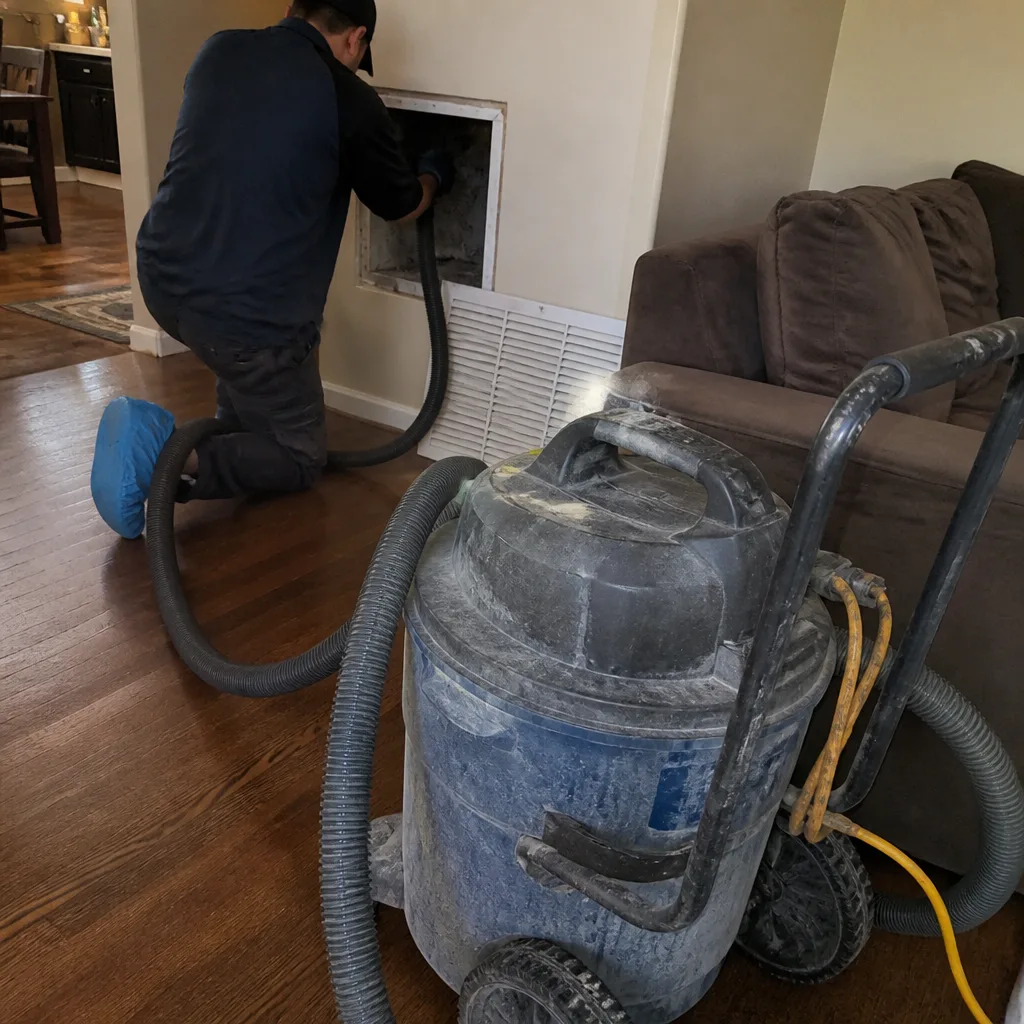 Before
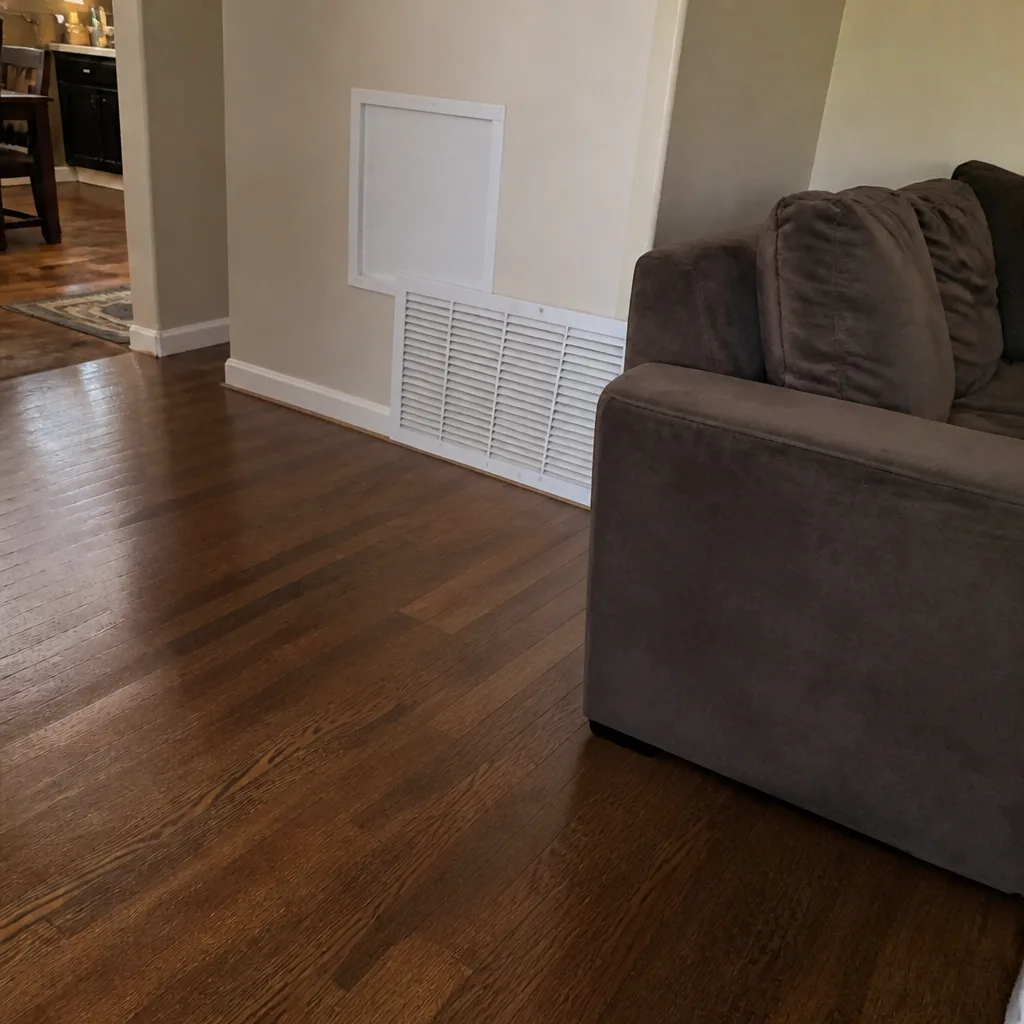 After
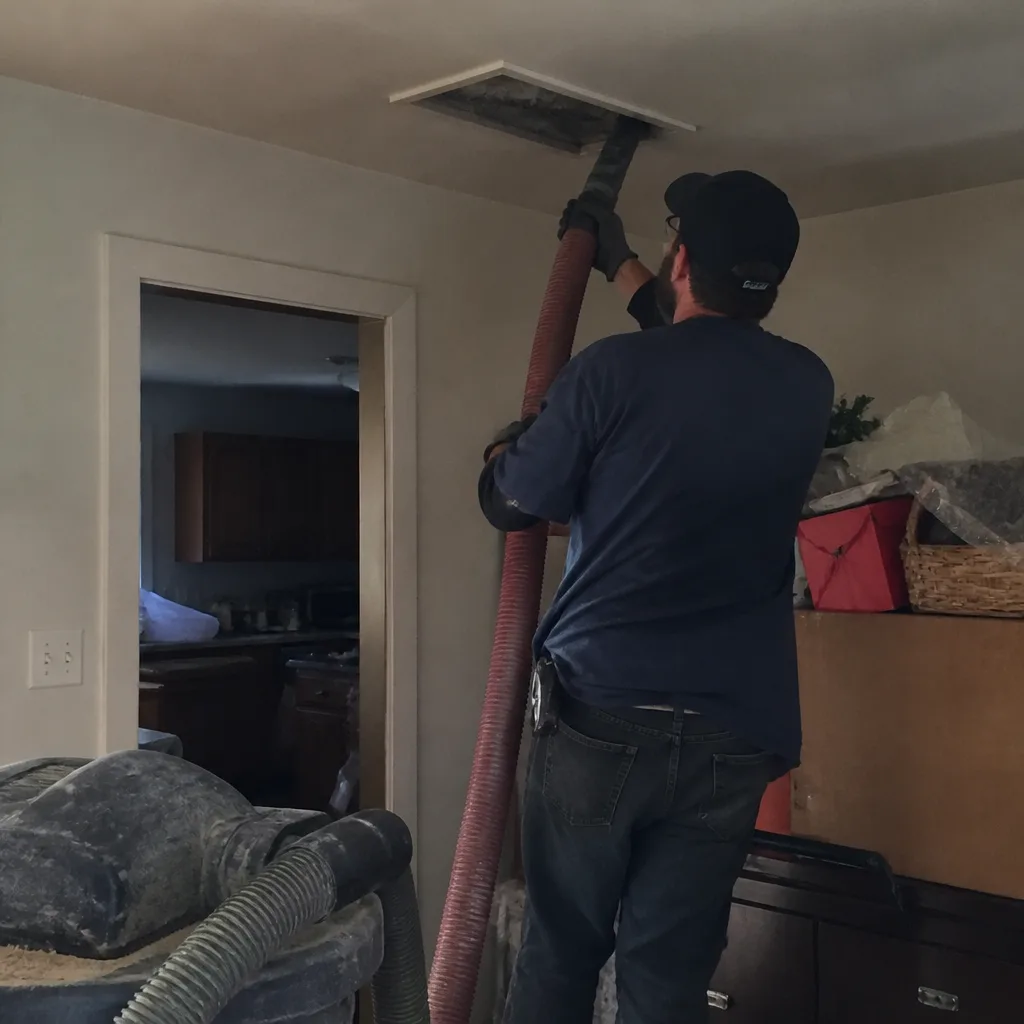 Before
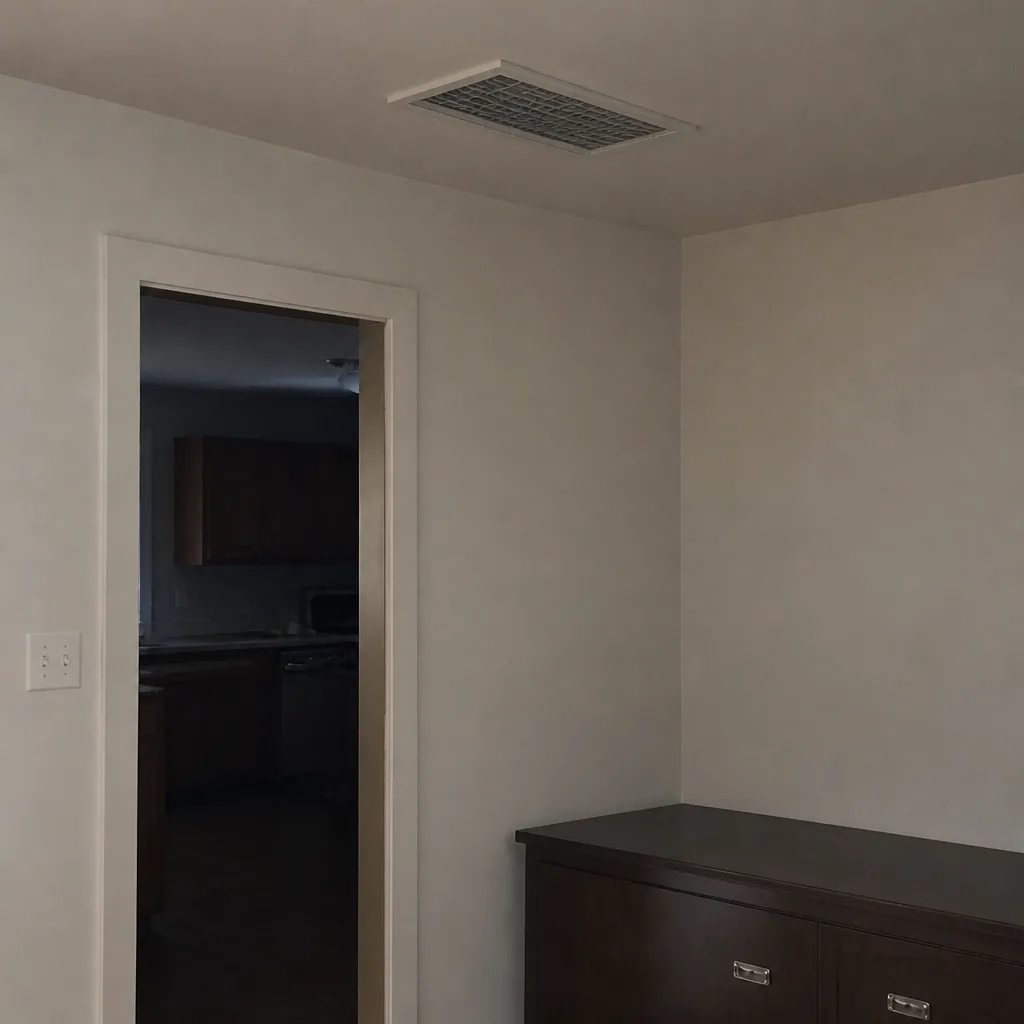 After
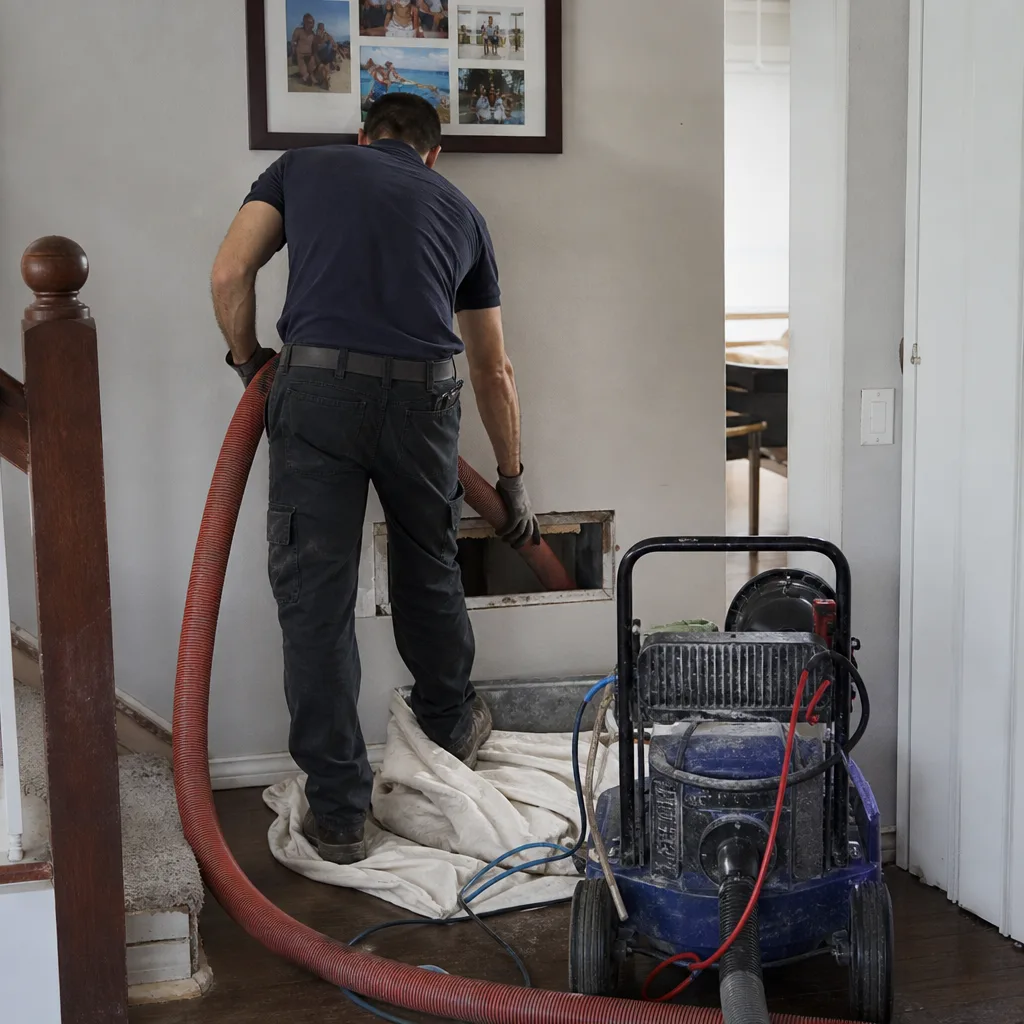 Before
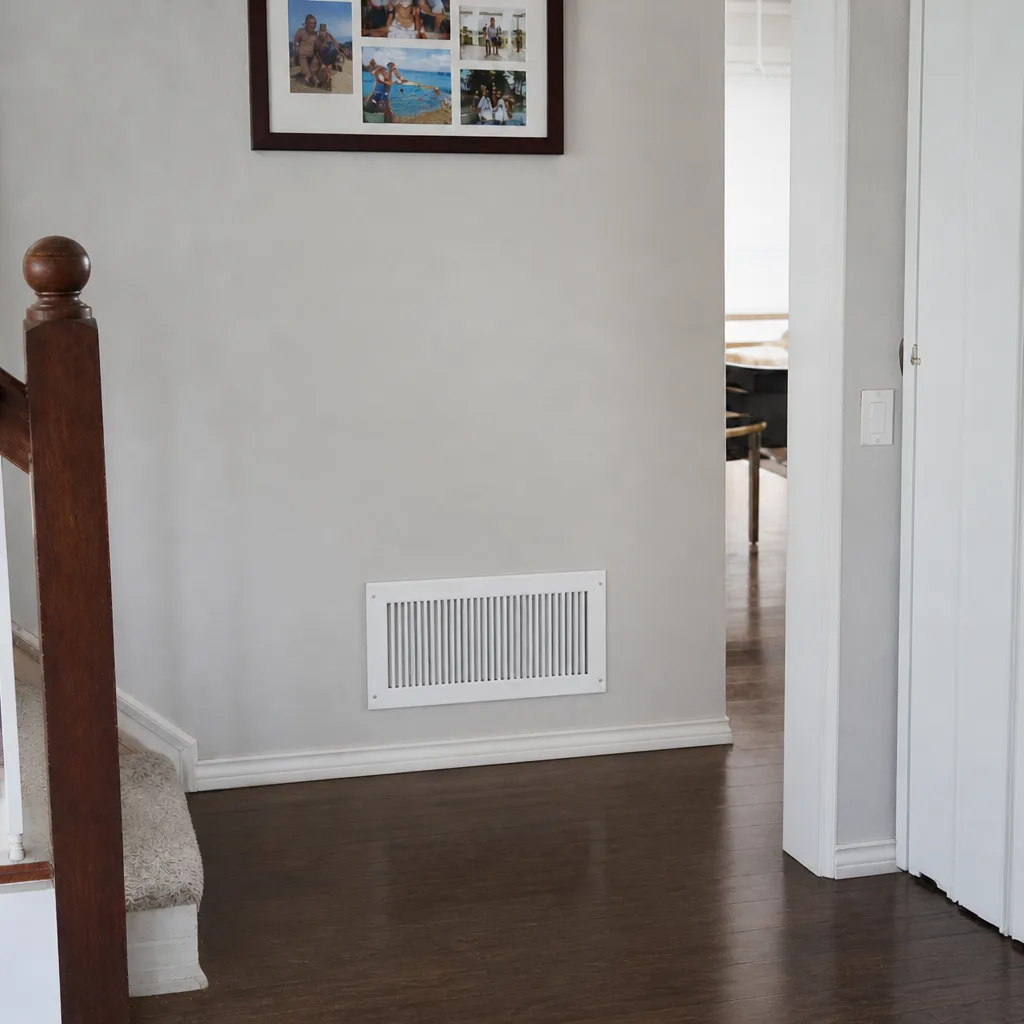 After
When to Call a Professional
Call a professional when the problem you’re trying to solve is inside the ductwork rather than on the register face. That covers post-renovation dust, musty odors that return after surface cleaning, visible mold in the system, pest intrusion, water damage from a leak or flood, and any situation where a homeowner suspects the interior layer has accumulated but hasn’t been cleaned in years. The same principle applies to dryer vent interior cleaning when the run is long, the vent has elbows, or the lint is compacted rather than a light film. If the system is fiberboard or the ductwork is an unfamiliar type, professional assessment prevents damage before anyone picks up a tool.
Holladay Air Duct Cleaning offers free estimates in Holladay. Call (844) 569-6978. We answer 24/7. Fast dispatch from 7am to 7pm, Sunday through Friday. The written estimate sets the price per system, agreed before work begins, and photos of your own ducts before and after the clean confirm what was actually removed.
Frequently Asked Questions
Whole-system cleaning in the Holladay market typically lands in a mid-range of several hundred dollars for a standard residential system, with the price set per job by a written estimate rather than per vent. Multiple returns, complex trunk layouts, heavy debris loads, or duct repair included in the visit raise the estimate. The written estimate is the final word on cost, and getting it costs nothing: call (844) 569-6978 and we’ll schedule a look.
Lower quotes usually depend on one of three shortcuts: a portable shop-vac rig rather than a high-pressure collection system, a per-vent price that omits the air handler and the main trunk, or a technician on site for a fraction of the time true cleaning requires. None of these is dishonest per se, but they produce a result that looks like cleaning rather than being cleaning. Our whole-system price is fixed by the written estimate before we touch anything. Call (844) 569-6978 for an apples-to-apples comparison.
Ask for before-and-after photos of your own ducts, not stock marketing photos. A professional clean also produces visible debris in the collection chamber, which can be shown during the visit. If you’re not present, the photos should arrive afterward. When the truck leaves and the only evidence is the invoice, that’s not verification, it’s optimism.
For a standard home with routine filter maintenance, professional duct cleaning every several years is reasonable. Accelerate the interval if you’ve had a renovation, water intrusion, pest activity, or if the HVAC runs hard through the long Wasatch Front heating season. There’s no fixed calendar rule that fits every house; the system tells you when it’s ready.
Partial DIY is a reasonable strategy if the tasks are the safe ones: the vent cover check, the transition duct inspection, and the register work. Where the line sits is interior dryer-vent cleaning when lint is compacted or the run is long. Compacted lint is a fire risk and brushing it from the outside often makes things worse before it makes them better.
Weekly dust on register faces is a sign the system is pulling from a debris source, which usually means either filter bypass or a dirty interior layer. First check the filter fit and replace as needed. If dust returns within days, the interior of the system is the likely origin, and professional cleaning is the next step.
Our technicians have up to 13 years of experience working with residential air systems across the Wasatch Front. Call (844) 569-6978. We answer 24/7. Fast dispatch from 7am to 7pm, Sunday through Friday.
The Bottom Line
The DIY-versus-professional decision maps to what each side can physically accomplish. Homeowners in Holladay can and should handle filter changes, return grille washing, register dusting, and dryer vent visual checks; those tasks protect the system and cost almost nothing. Professional cleaning is the only path to actual source removal, and it becomes the only safe path when the system has mold, pests, water damage, fiberboard duct, or a heavy debris load that a shop vac can’t lift. Price the two as separate budget lines rather than substitutes, and the decision becomes straightforward. When the interior layer has built up, that’s the signal to call.
Written by the team at Holladay Air Duct Cleaning.
Holladay Air Duct Cleaning provides air duct cleaning, dryer vent cleaning, HVAC cleaning, duct repair and sealing, and air quality and sanitizing services for Holladay homeowners and property managers. We use professional-grade Rotobrush and Nikro equipment and work with Aprilaire, Honeywell, Abatement Technologies, and Guardsman product lines. If you’d like to talk through what your system needs, call (844) 569-6978 for a free estimate.