
Last updated November 24, 2026
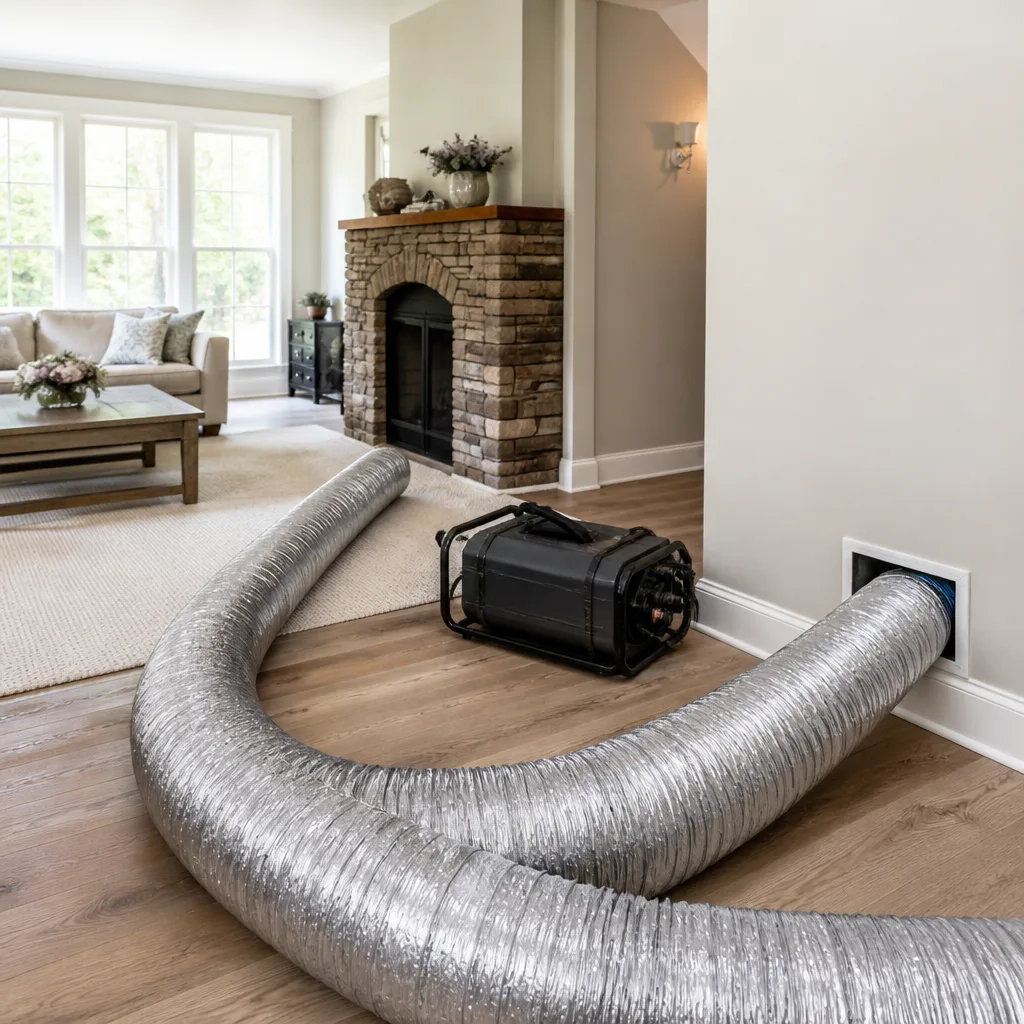 Whole-home duct cleaning
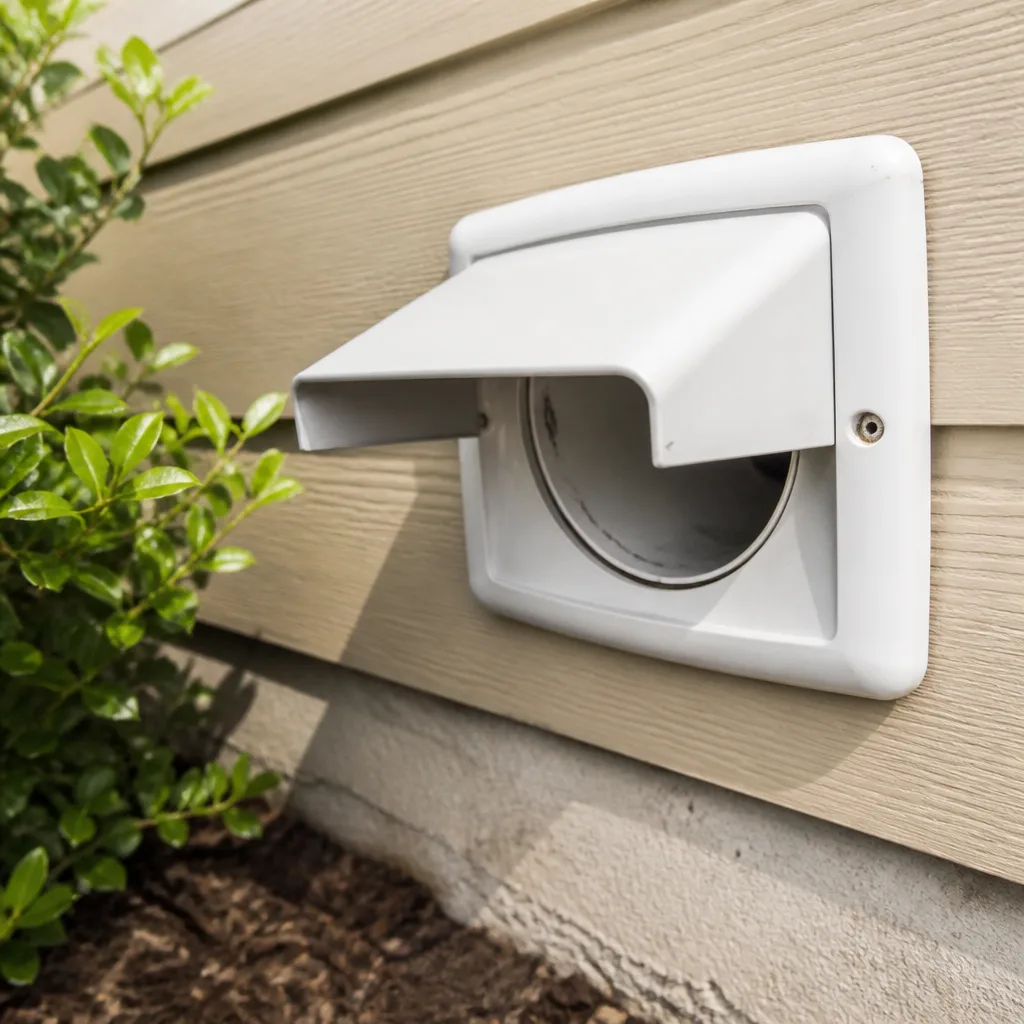 Dryer vent cleaning
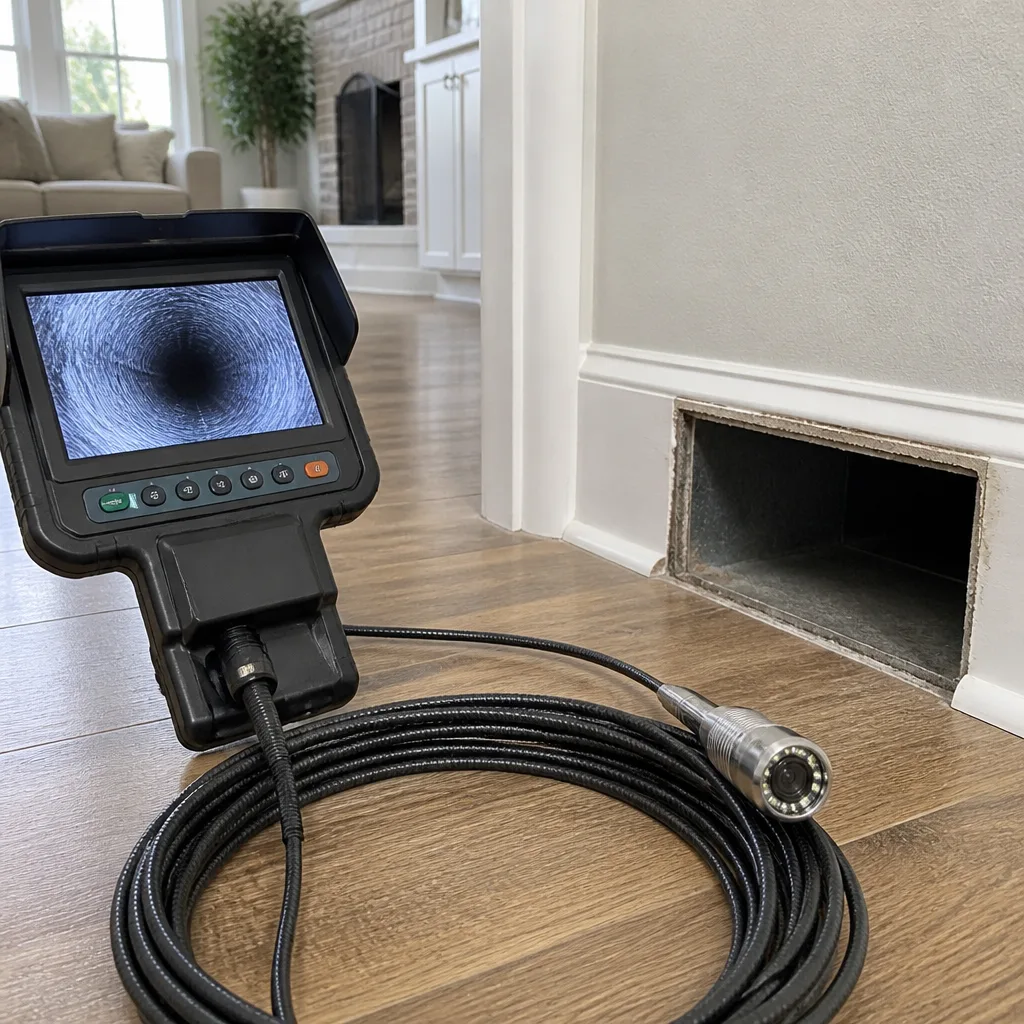 Camera inspection
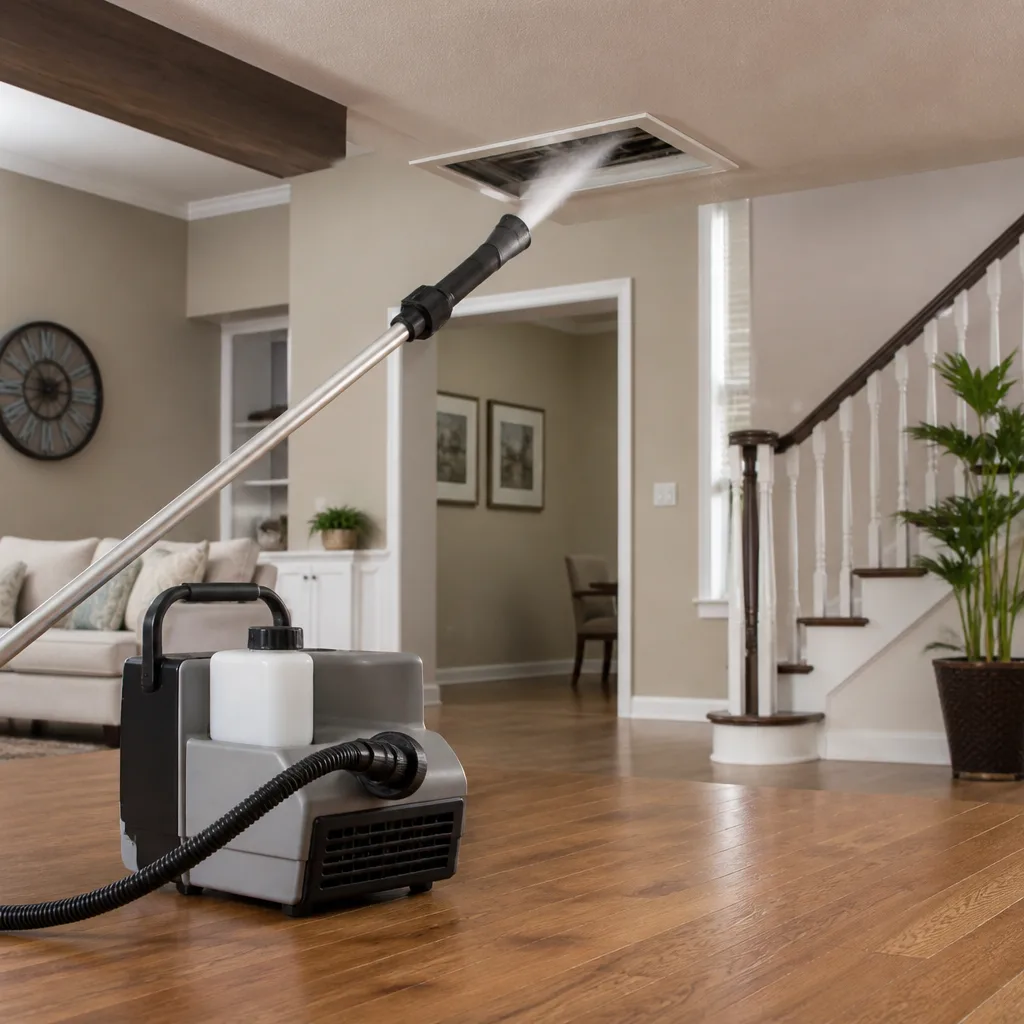 Sanitizing & deodorizing
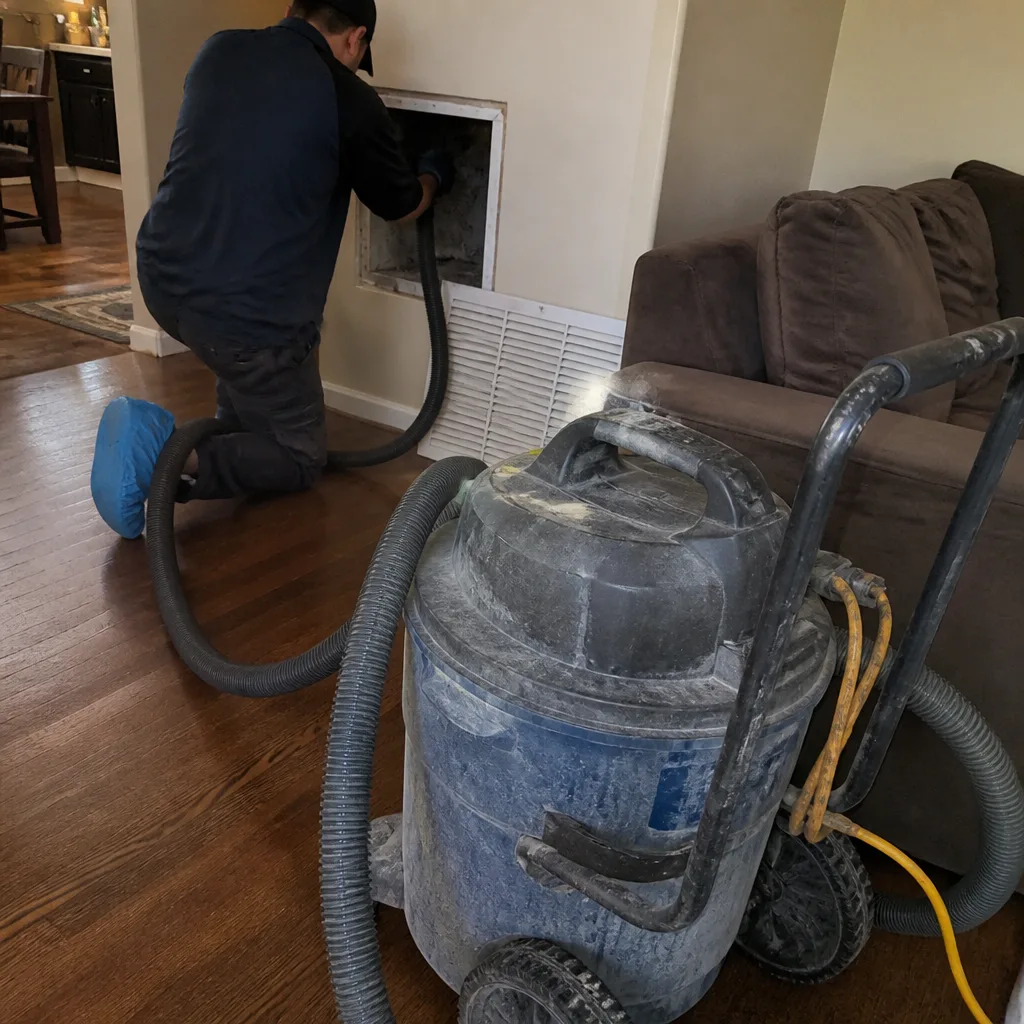
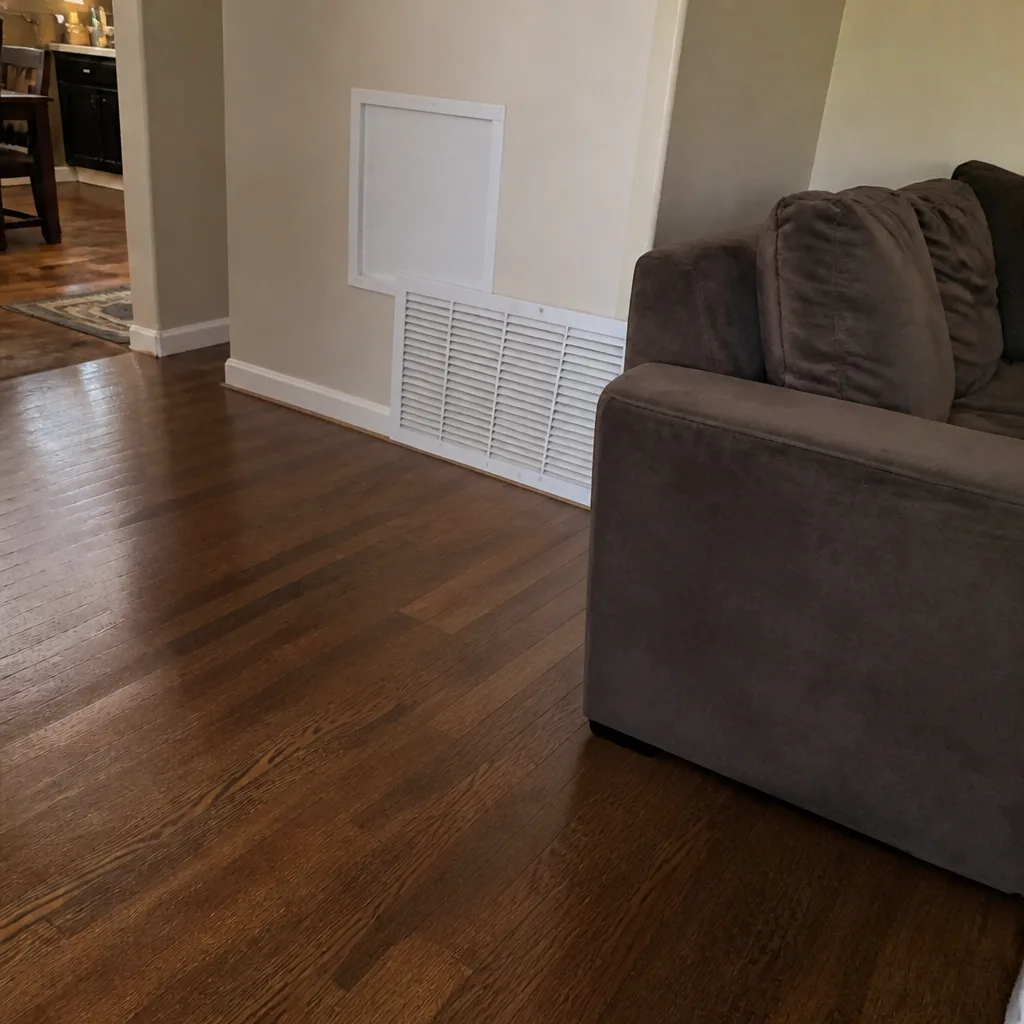
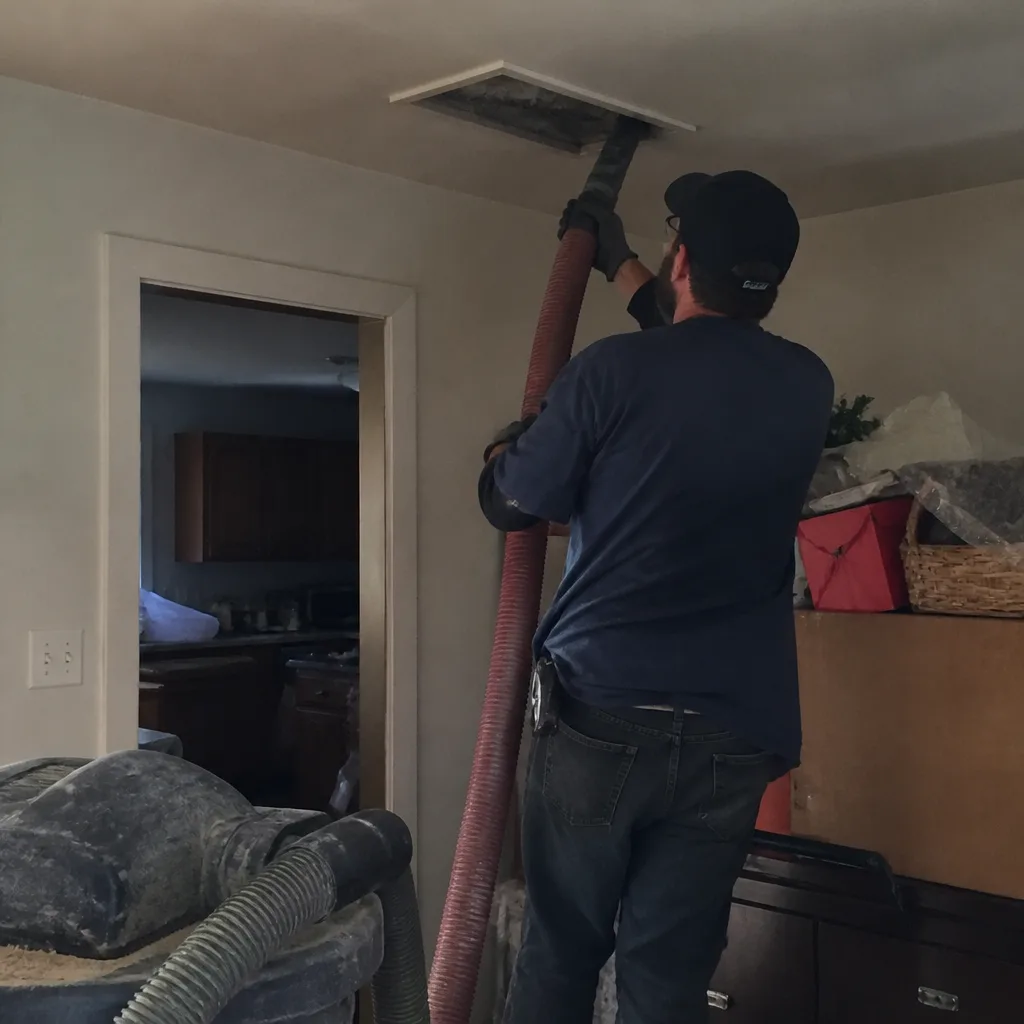
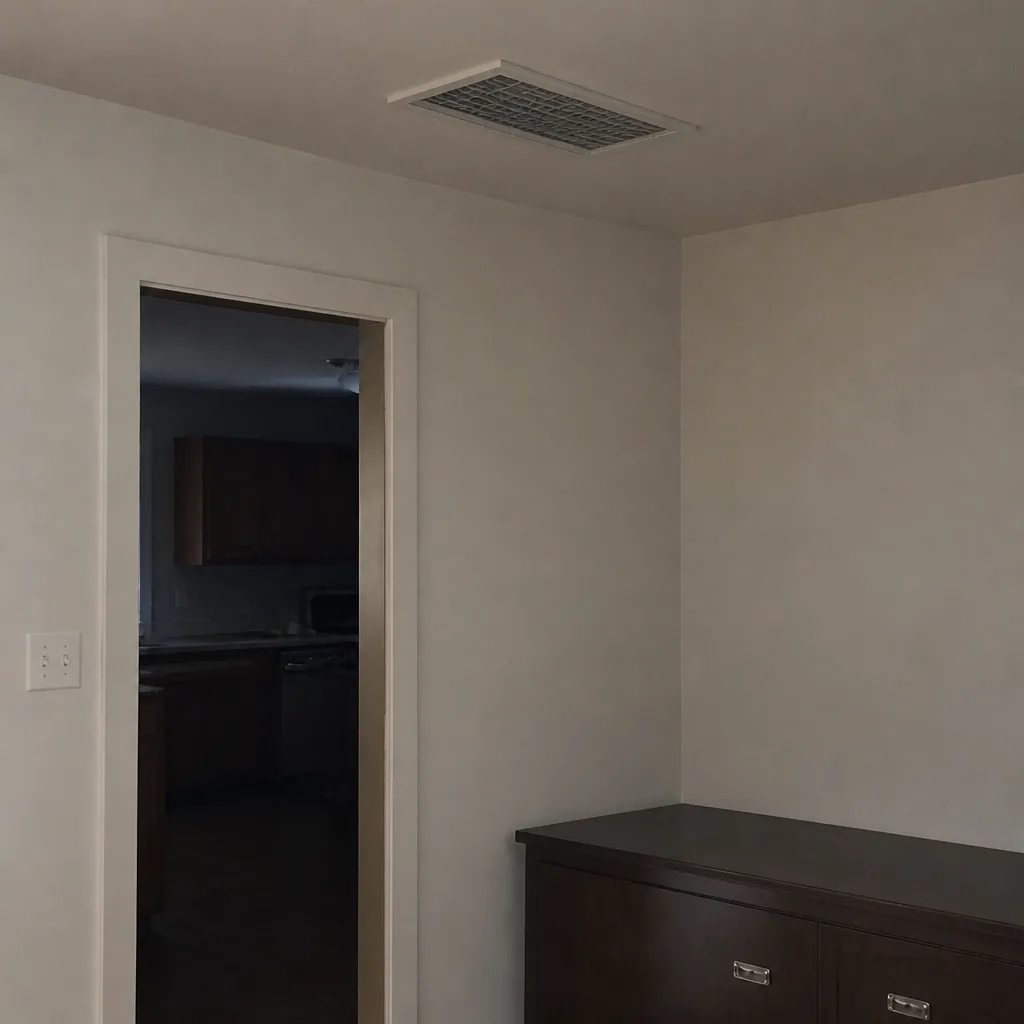
Whole-system duct and dryer vent check with before-and-after photos - you see exactly what came out of your vents
That "$99 whole-house special" is a bait ad - the real number appears once they are in your hallway, or the "clean" is a shop-vac at the register. We photograph the inside of your ducts before and after instead.
Air Duct Cleaning Cost Breakdown: The Holladay Homeowner’s Reference for 2026
Two quotes land in your inbox for the same 2,400-square-foot house. One says $149. The other says $795. Both contractors say “whole-house duct cleaning.” Neither is lying, exactly. The cheap quote is describing a version of the job that skips the blower wheel, the evaporator coil, the return plenum, and every register that’s awkward to reach. That’s the gap nobody puts in writing, and it’s why pricing for the same work in Holladay swings from an $89 come-on to $1,200+ for a true full-system clean. This guide pulls apart every line item so you can compare quotes on scope, not on whichever number is biggest on the postcard.
Quick Answer
Air duct cleaning in Holladay typically runs $350-$750 for a standard single-system home and $600-$1,200+ for larger or multi-zone systems, depending on how many registers, how the ducts are routed, and whether the evaporator coil and blower wheel are included. A quote under about $200 usually excludes the HVAC components and the plenum, which is where a meaningful share of the debris sits. The written scope, not the headline price, tells you which job you’re actually buying.
Styles & brands we work with
- Whole-home duct cleaning
- Dryer vent cleaning
- Camera inspection
- Sanitizing & deodorizing
Table of Contents
- Per-Vent vs. Flat-Rate Pricing: What Each Model Rewards
- Itemized Cost Breakdown for a Complete System Clean
- Legitimate Add-Ons vs. Upsells
- How Holladay Home Characteristics Affect Price
- What a Written Quote Must Specify to Be Meaningful
- The Equipment Question Behind the Price
- Why This Isn’t a Weekend DIY Project
Per-Vent vs. Flat-Rate Pricing: What Each Model Rewards
Most Holladay-area contractors price one of two ways, and the pricing model quietly decides how they work once they’re inside your house. Neither model is dishonest by itself. But each steers a technician toward different behavior, and knowing that changes how you read a quote.
Per-vent pricing
You’re charged a set amount for each supply register and return grille, usually $25-$50 per vent. On paper it looks fair and trackable. In practice, it rewards speed. A technician on a per-vent job has a financial reason to move quickly through each register, clean the face of the grille, and move on. The deep work (the main trunk, the return plenum, the blower wheel) is either flat-fee or not on the invoice at all. If the vent count is high and the per-vent rate is low, the math only closes for the contractor if each vent gets a few minutes.
Flat-rate whole-system pricing
You’re given one price for the entire air pathway: the trunk lines, branch runs, all registers, plenum, blower wheel, and (depending on the quote) the evaporator coil. The contractor knows the total before the truck rolls. That removes the incentive to rush a register, because cleaning it thoroughly doesn’t cost them more. It also means you can compare two flat-rate quotes line-item by line-item instead of chasing a per-vent number that may or may not include the returns.
Our approach is flat-rate per system, agreed before work starts, with a written scope listing exactly what’s included. You’ll never get a per-vent teaser price from us that turns into a bigger invoice once the equipment is on the floor.
Itemized Cost Breakdown for a Complete System Clean
Here’s the honest 2026 picture for a single-family home in Holladay, broken into the components of a genuine full-system clean. These are typical ranges, not quotes. Your written estimate sets the final price, and it depends heavily on access and duct material (more on that below).
| Component | Typical 2026 Range | What It Actually Involves |
|---|---|---|
| Main trunk lines | $100-$220 | Rotary-brush agitation of the large-diameter runs, full length, with negative-pressure HEPA vacuum holding the debris. |
| Branch runs (supply ducts) | $90-$200 | Brush and vacuum each smaller duct that feeds a register; often the most time-consuming part in flex-duct homes. |
| Supply registers & grilles | $40-$110 | Face and interior cleaning of each register; counted per unit if itemized, otherwise bundled. |
| Return grilles & return ductwork | $60-$160 | The intake side carries the heaviest debris load. Frequently excluded from cheap quotes. |
| Return plenum | $50-$130 | The box where air enters the HVAC unit. Rarely cleaned by per-vent crews because there’s no “vent” there. |
| Blower wheel | $60-$140 | Pulled and cleaned separately; a caked blower wheel moves less air and raises operating cost. |
| Evaporator coil (if accessible) | $90-$250 | Cleaned in place when accessible; some systems require a technician to remove panels or clear access first. |
| Full-system total | $350-$1,200+ | Varies with square footage, number of systems, duct material, and access. |
When you add those rows up, a “$99 whole-house special” becomes obviously incomplete. If the quote doesn’t mention the plenum, the blower, and the coil, you know what the technician will skip. That’s the single biggest reason two quotes for identical homes can differ by five or six hundred dollars.
Want that broken down against your actual system? We give free estimates and walk the whole air pathway before quoting. Call (844) 569-6978 and we’ll set a time.
Legitimate Add-Ons vs. Upsells
Some add-ons genuinely belong in a duct cleaning visit. Others get pushed at the kitchen table regardless of whether your home needs them. Here’s how to sort the two.
Legitimate add-ons
- Sanitizing treatment. A Guardsman-grade sanitizing agent applied to the cleaned ductwork is reasonable after a renovation, after water intrusion, or when the ducts smell musty. It’s a chemical treatment, so it should be offered with the product named and priced clearly – typically a modest add-on on top of the base clean.
- Duct sealing. If the inspection finds separation at joints, disconnected flex connections, or gaps at the plenum, sealing those leaks recovers air you’re already paying to heat or cool. It’s real work with a real cost, and it’s the kind of thing best fixed during the same visit. See air duct cleaning for how we fold repair into the clean.
- Dryer vent cleaning. A separate service, but a worthwhile one to bundle because it shares the same visit. Lint buildup is a genuine fire concern, not a sales angle. Book it as dryer vent cleaning when the technician is already on site.
- HVAC unit cleaning. Cleaning the air handler cabinet, drain pan, and coil area alongside the ducts keeps the whole pathway clean in one pass. Handled under HVAC cleaning, it saves a second appointment.
Upsells that deserve skepticism
- UV lights pitched mid-cleaning. UV-C lamps can help with certain air quality concerns, but selling one during a duct cleaning visit without first assessing your system, its airflow, and the actual source of the problem is a red flag. If a technician recommends UV treatment, ask what the assessment showed.
- Whole-home air purifiers added to a base clean. Same principle. Air quality equipment from established lines like Aprilaire and Honeywell is worth discussing – but as a considered recommendation tied to your home’s needs, not a line item tacked on to close the sale.
- “Deep clean” surcharges for the same scope. If the scope didn’t change, the price shouldn’t either.
How Holladay Home Characteristics Affect Price
Not every quote discrepancy is a scam. The physical layout of a Holladay home genuinely changes how long a full clean takes, and price follows the time.
Square footage and number of systems
A 1,400-square-foot ranch on one system is a straightforward job. A 3,500-square-foot two-story with a zoned attic system doubles the trunk footage and often doubles the component count. Most flat-rate pricing scales in steps rather than per-vent, because the components (blower, coil, plenum) exist once per system regardless of how many registers that system feeds.
Slab vs. basement duct routing
Homes with ducts routed under a slab can be trickier to reach and sometimes have limited access points, which pushes labor up. Basement or crawlspace routing is usually faster to access and often cheaper to clean. If you’re in a Holladay home with slab routing, expect the quote to reflect the extra setup.
Duct material: flex vs. sheet metal vs. fiberboard
- Flex duct is common in newer and retrofitted Holladay homes. It’s faster to clean but must be treated gently; a rotary brush run too aggressively can tear the liner. Good technicians adjust brush speed accordingly.
- Sheet metal takes aggressive brush cleaning and vacuum well. Typically the most straightforward material to price.
- Fiberboard or duct board has a rough interior that traps debris and can’t take a hard brushing. It usually requires a gentler approach and sometimes replacement if it’s damaged.
Age of the ductwork
Older duct systems often have more gaps, more debris, and more disconnected joints. A clean on a 40-year-old system frequently surfaces leaks that need sealing, which is why our technicians carry sealant and repair materials and resolve what they find in the same visit rather than leaving you to book a second contractor.
Holladay’s dry summers and cold winters put your system through real seasonal swings. That cycle of heavy heating-season use and dust-heavy shoulder seasons is one reason ducts here accumulate debris faster than homeowners expect. We’re familiar with the housing stock across Holladay, from the mid-century neighborhoods near the center of town to the newer builds on the east bench, and we quote based on what the system actually looks like.
What a Written Quote Must Specify to Be Meaningful
A written quote is only useful if it lets you hold the contractor to what they sold you. Here’s what to insist on in writing before anyone starts work.
- Access point count. The quote should list how many access points will be used. Access points matter because debris in the trunk can’t be reached without them, and a contractor who says “one access point” is planning a shallower clean.
- Equipment type. Ask what they’re bringing. Professional-grade rotary-brush-and-HEPA systems do work that portable shop-vac rigs can’t. We use Rotobrush rotary-brush systems and Nikro HEPA vacuum equipment, the same class of tools commercial contractors rely on, and we’re happy to say so in the quote.
- Coil inclusion or exclusion. The evaporator coil is the single most-contested line item. The quote must say whether it’s included, and if it’s excluded, why. “Not accessible” is a valid answer in some systems – just write it down.
- Plenum and blower wheel. Same rule. Included or excluded, spelled out. If a quote doesn’t mention them by name, assume they’re excluded.
- Warranty on workmanship. A written warranty means the contractor stands behind the clean. Get it in the document, not just the sales pitch.
- Sanitizing and sealing options. Priced separately and clearly. You should be able to see exactly what each add-on costs before you decide.
When we send a quote, it lists each of these. If yours doesn’t, ask for a revised version. Any reputable contractor will provide it. And before you sign anything, see what’s in your ducts; a short inspection video tells you more than any brochure. Call (844) 569-6978 for a free estimate in Holladay. We answer 24/7. Fast dispatch from 7am to 7pm, Sunday through Friday.
The Equipment Question Behind the Price
Two quotes can look identical on paper and hide the real difference in what shows up in the driveway. Equipment is the variable most homeowners can’t see, and it’s the one that most directly determines whether a clean is real.
A proper duct cleaning pulls the debris out of the system and captures it in a HEPA-filtered vacuum while a rotary brush loosens the material from the duct walls. That combination – source agitation plus negative-pressure capture – is what separates a true clean from a cosmetic pass through each grille. Without the vacuum holding negative pressure, brushing just re-aerates debris into the house. Without the rotary brush, the vacuum pulls loose dust but leaves the caked material on the walls.
We run Rotobrush rotary-brush systems paired with Nikro HEPA vacuums, and we keep Abatement Technologies air-filtration equipment on hand for jobs that cross into remediation-level territory, like post-renovation cleans or homes recovering from water intrusion. That’s the tool set a commercial contractor uses, not the lightweight gear at the rental counter. If a contractor’s quote seems too low, ask what equipment they use. The answer tells you whether the job can actually be performed.
Holladay Air Duct Cleaning offers the full spectrum under one roof: Holladay Air Duct Cleaning handles cleaning, repair, sealing, and air quality treatment without sending you to a second vendor. Our technicians have up to 13 years of experience, and they carry the tools to finish.
Why This Isn’t a Weekend DIY Project
Ductwork runs through places you can’t see, and much of the debris you’re worried about sits where a household vacuum can’t reach. A shop vac at the register face pulls surface dust and nothing more. The trunk lines, plenum, and blower wheel remain untouched. What you’re left with is a cleaner grille and the same air quality.
The trades where DIY attempts actually matter are the ones with real risk. Working on the blower wheel or opening the air handler cabinet exposes electrical components that should only be handled by someone trained to do it. If a duct connection has come loose in a tight space, sealing it properly requires the right materials and knowing how much slack to leave in the flex. A poorly resealed connection can leak worse than the original gap.
Where homeowners genuinely benefit from doing something themselves is at the scheduling end. Regular filter changes, keeping registers clear, and noticing when the system starts to smell different are things you can and should do. The full clean below the grille line is the part to leave to a trained technician. If your dryer vent hasn’t been touched in a couple of years, that’s a separate safety concern worth handling professionally too – lint is combustible and the failure mode isn’t gradual.
Common Mistakes to Avoid
- Comparing total price without comparing scope. A $149 quote and a $750 quote often describe different jobs. Pull both scopes and see which one includes the blower, the coil, and the plenum before deciding. Otherwise you’re comparing an incomplete clean to a complete one.
- Booking a per-vent “special” without asking about the returns. Return ductwork carries the heaviest debris load. Many per-vent specials clean supplies only and skip returns entirely, which leaves the most-polluted side of the system untouched.
- Letting the technician sell you a UV light before assessing your system. UV treatment isn’t a bad idea in some homes; it’s just not a good idea as a reflex sale during a routine cleaning. Ask what the assessment showed.
- Believing “one access point” is enough. On a home with a long trunk run, one access point means the far reaches of the ductwork don’t get cleaned. Ask how many access points the job will use before the price is locked in.
- Not asking about duct material before the visit. Fiberboard and flex require gentler handling than sheet metal. A contractor who shows up planning to brush aggressively regardless of material is one to reconsider.
- Skipping the written warranty. A verbal assurance that “we stand behind our work” doesn’t help you if a joint comes loose. Get the warranty on paper.
- Treating the dryer vent as optional. It’s a fire-safety component, and lint buildup accelerates. Don’t bundle it out of your quote just to save a few dollars.
See the difference
 Before
 After
 Before
 After
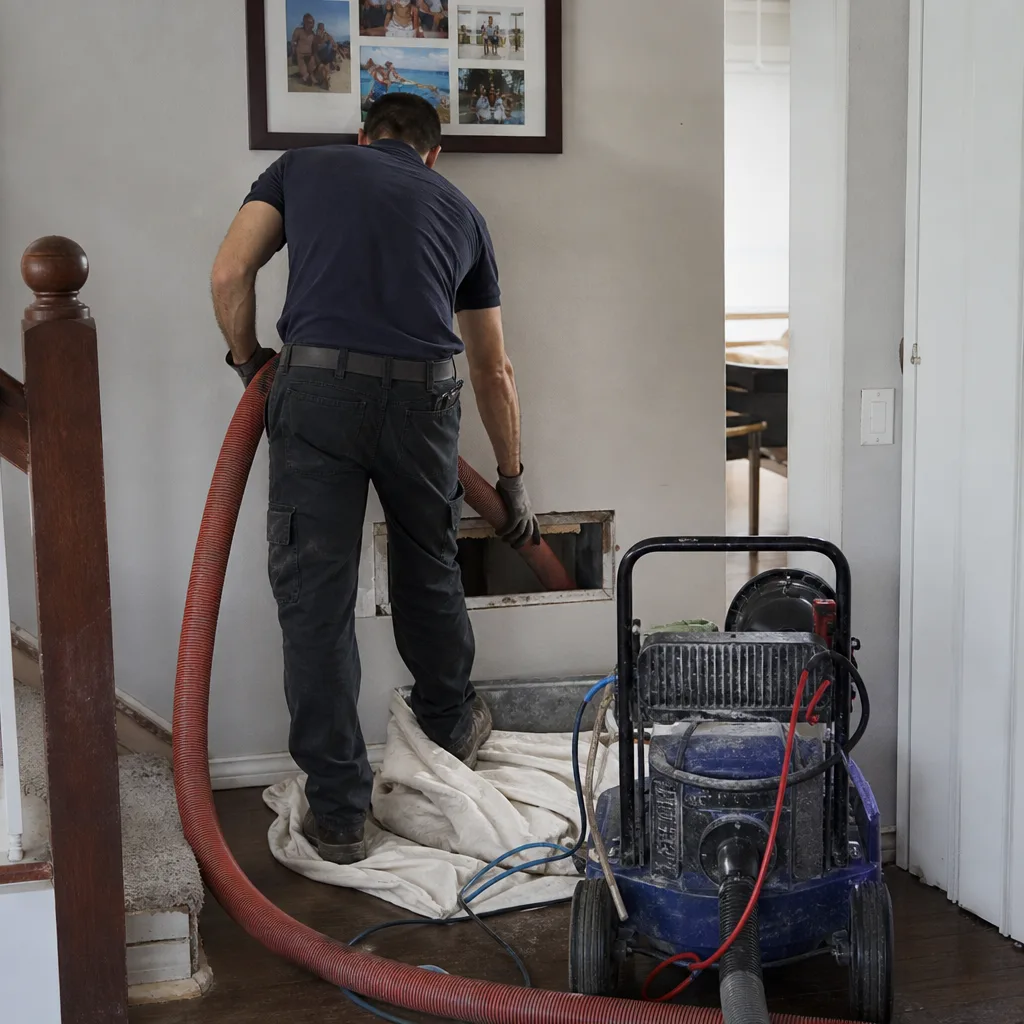 Before
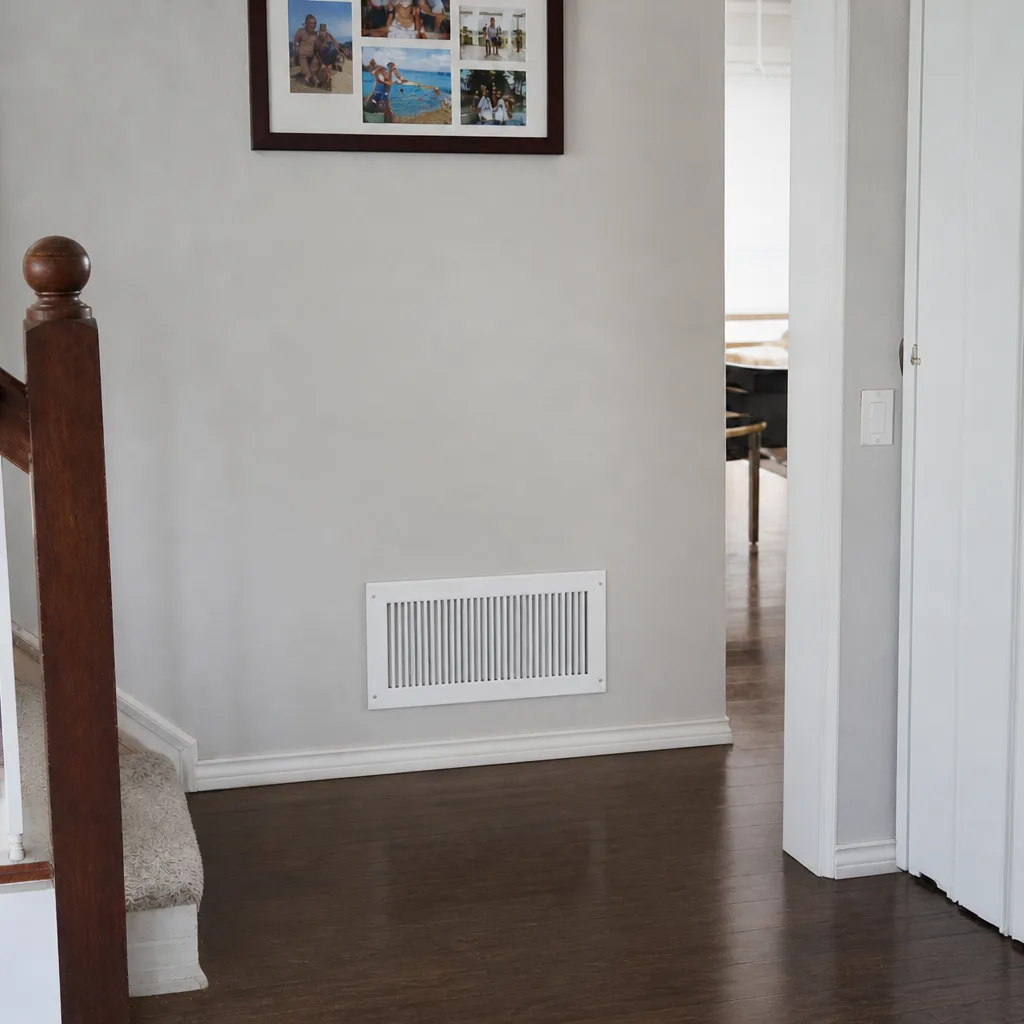 After
When to Call a Professional
Some signs mean you should schedule a full-system clean, not just change the filter again. Visible dust blowing from a register when the system kicks on is a strong indicator. So is a persistent musty smell when the heat or AC runs, especially in a home that’s had water intrusion or a recent renovation. A noticeable drop in airflow, or a room that never heats or cools like the others, often points to a disconnected duct or a blocked branch run that a proper inspection will find. Allergies that seem to flare only indoors are worth investigating too. Homeowners with pets, recent construction, or a system that hasn’t been cleaned in several years are typically due.
Holladay Air Duct Cleaning offers free estimates in Holladay. Call (844) 569-6978 and we’ll walk your system and give you a flat written price for the complete job. We answer 24/7. Fast dispatch from 7am to 7pm, Sunday through Friday.
Frequently Asked Questions
Most single-system Holladay homes land between $350 and $750 for a genuine full-system clean, with larger or multi-zone homes running $600 to $1,200+. The final figure is set by the written estimate, which reflects square footage, number of systems, duct material, and whether the coil and blower are included. Call (844) 569-6978 for a free estimate.
Because the scope is smaller, almost always. Cheap quotes typically exclude the return plenum, the blower wheel, the evaporator coil, and any register that takes more than a minute to reach. They may also skip return ducts entirely and use a single access point. The number on the postcard isn’t dishonest, it’s just describing a lighter job. Ask for a scope in writing and the gap becomes visible.
Ask for before-and-after photos of your own ducts, taken at the access points. A technician who cleans thoroughly can show you the material that came out and the interior of the duct afterward. Ask what equipment they use, too; rotary-brush-and-HEPA systems leave visible evidence of a real clean, and a company proud of its tools will tell you which ones it carries.
Most homes don’t need duct cleaning on a fixed schedule. Every three to five years is a reasonable interval for a typical home, sooner after a renovation, a water event, a new pet, or if you notice musty odors or visible dust from the registers. Homes with severe allergies sometimes benefit from more frequent attention. An inspection tells you more than a calendar.
Yes. Sheet metal handles aggressive cleaning well and often prices lower. Flex duct must be cleaned gently to avoid tearing the liner, which can add labor. Fiberboard has a rough interior that traps debris and can’t take a hard brushing. The material also determines whether repair and sealing might be needed on the same visit.
Sanitizing makes sense after a renovation, after moisture intrusion, or when ducts smell musty – we use Guardsman-grade products. Duct sealing is worth it whenever the inspection finds gaps or disconnected joints, since leaking ducts waste the air you’re already paying to condition. Both are priced separately so you can decide with the costs in front of you. Call (844) 569-6978 to talk through your specific system.
The Bottom Line
The spread in Holladay duct cleaning prices isn’t random; it’s scope. A low quote usually describes a partial clean that skips the blower, the coil, and the plenum, while a higher quote describes the full air pathway. The way to compare is by what’s in writing: access points, equipment type, whether the coil is included, and the warranty on workmanship. Insist on all four. If a quote won’t specify them, that’s your answer. When the scope is clear, the price is honest, and the clean is one you can verify afterward. Call (844) 569-6978 for a free estimate. We answer 24/7. Fast dispatch from 7am to 7pm, Sunday through Friday.
Written by the team at Holladay Air Duct Cleaning.