
Last updated November 24, 2026
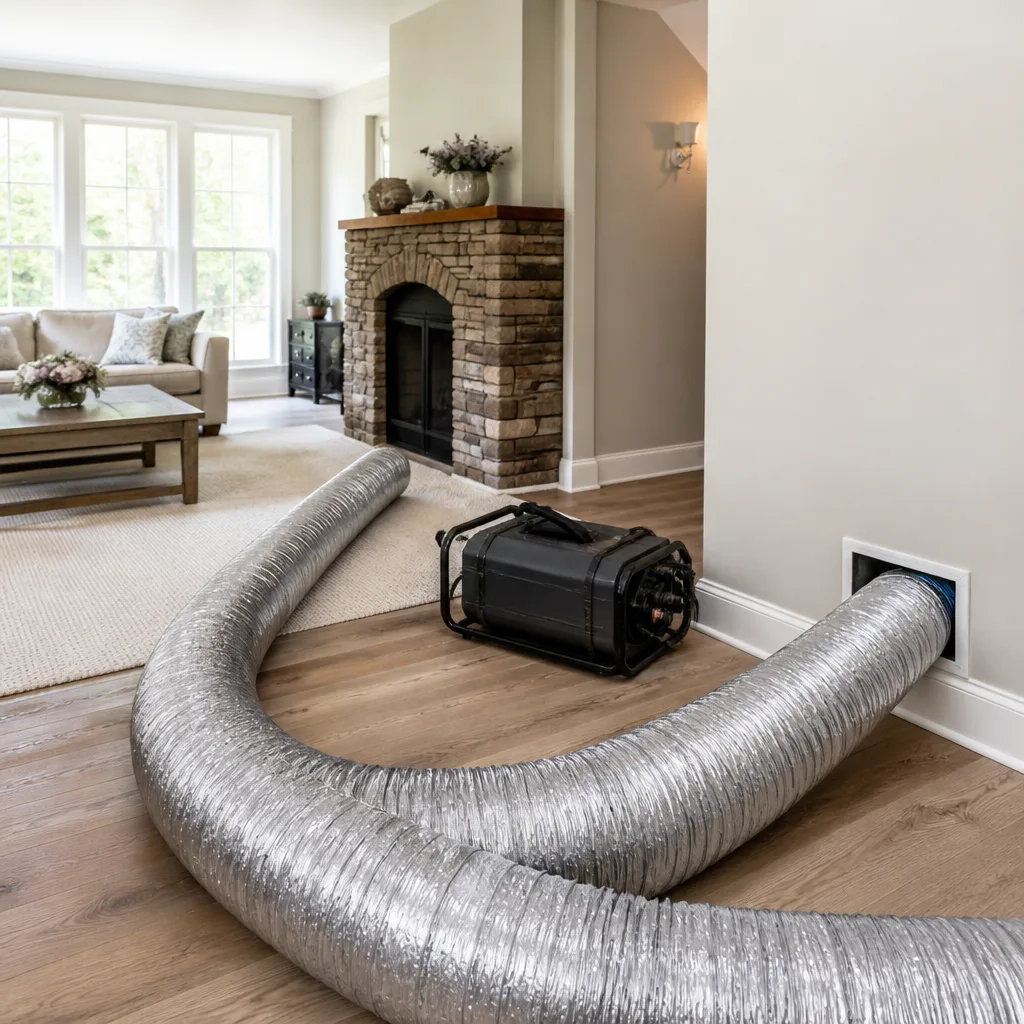 Whole-home duct cleaning
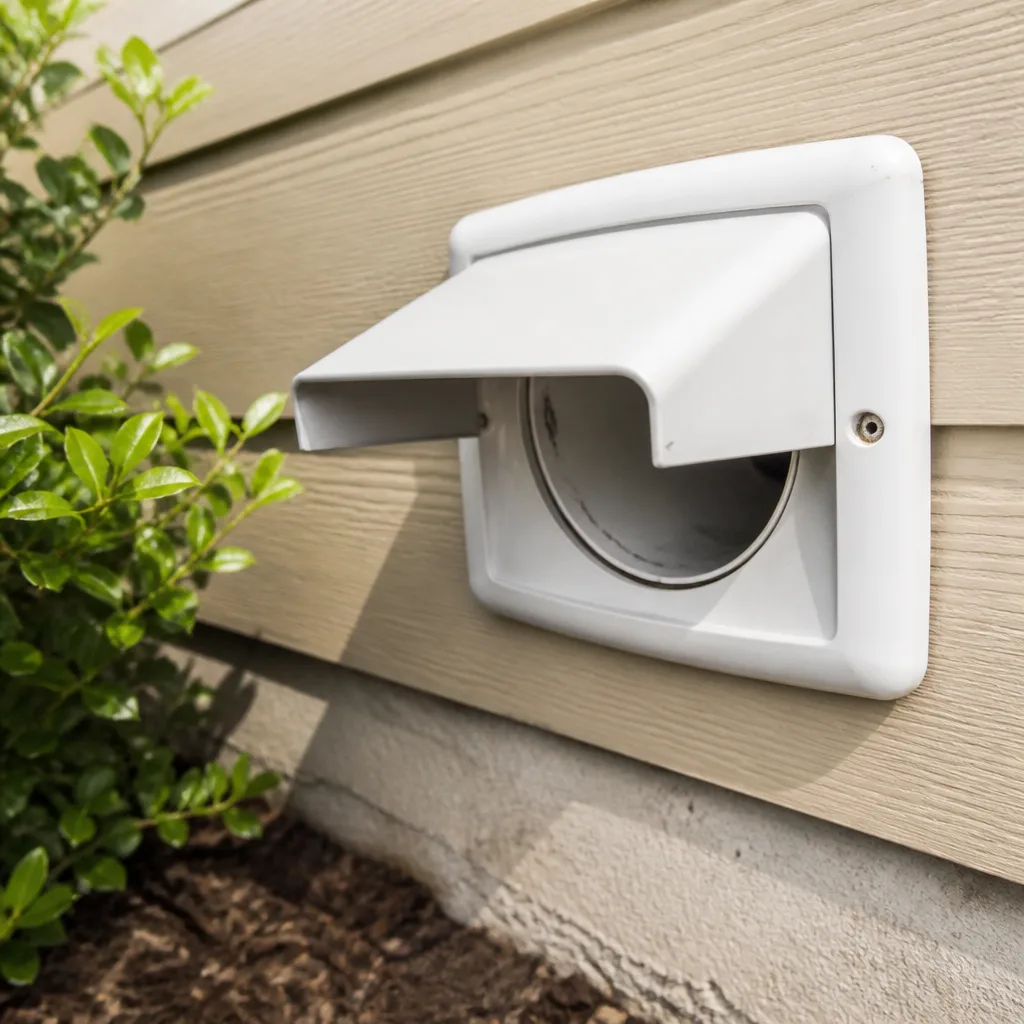 Dryer vent cleaning
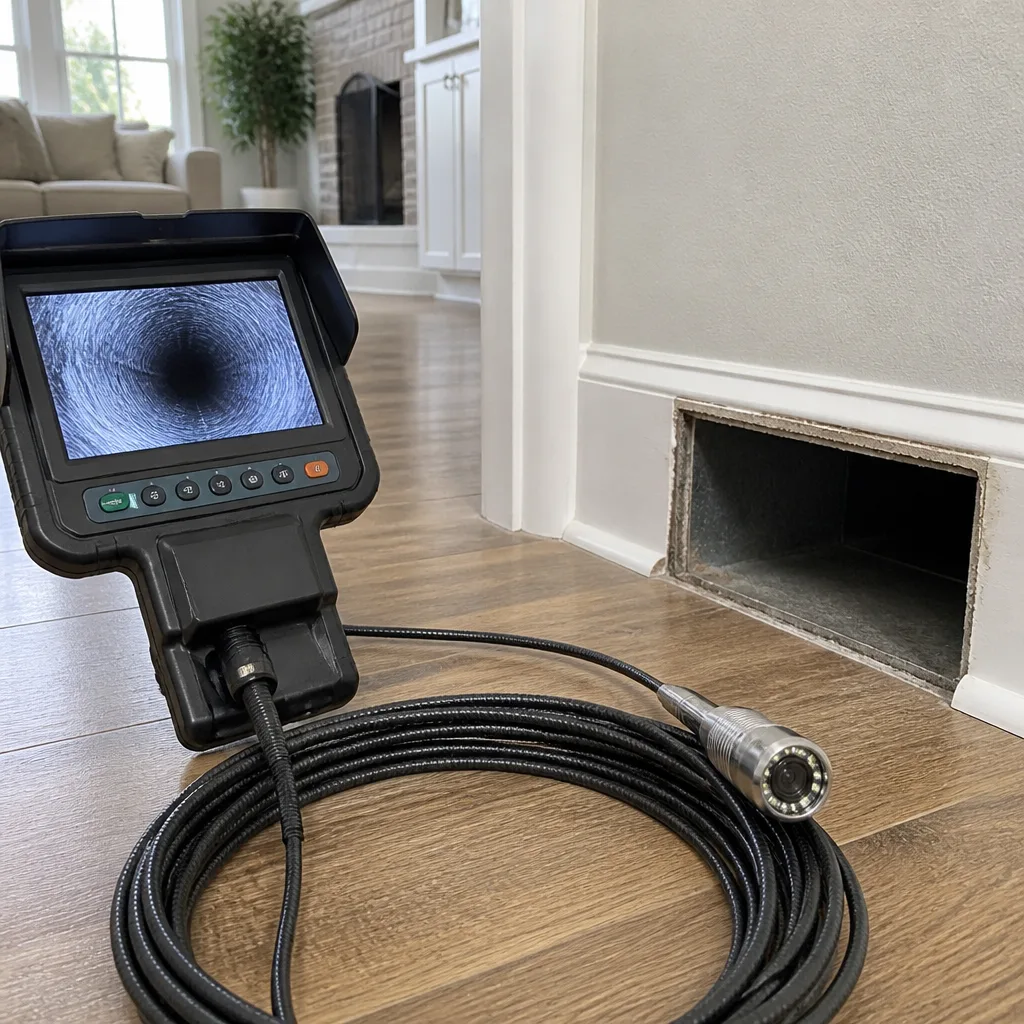 Camera inspection
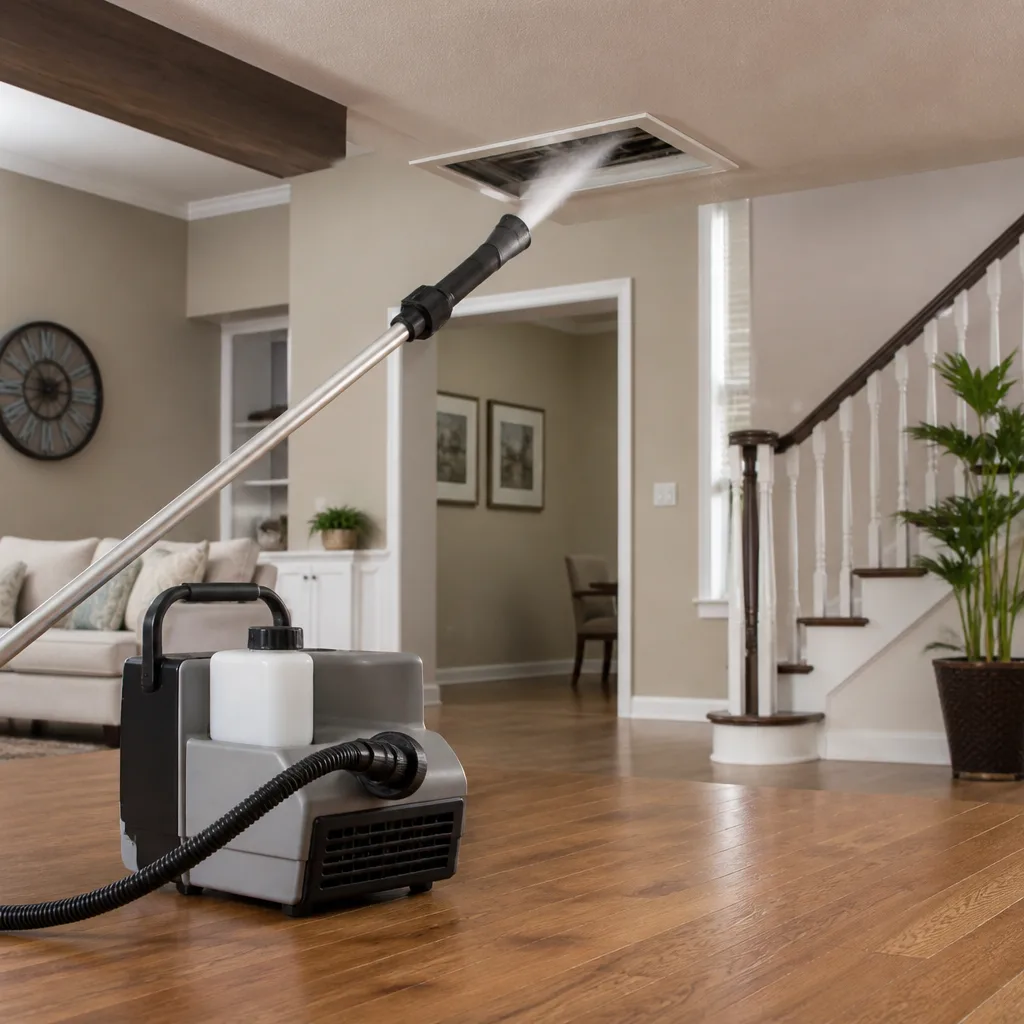 Sanitizing & deodorizing
Whole-system duct and dryer vent check with before-and-after photos - you see exactly what came out of your vents
That "$99 whole-house special" is a bait ad - the real number appears once they are in your hallway, or the "clean" is a shop-vac at the register. We photograph the inside of your ducts before and after instead.
Air Duct Cleaning Warning Signs: A Holladay Homeowner’s Reference Guide
Most warning-sign articles point you at the obvious: a dust film on the coffee table, a visible puff from a register, a filter that looks like felt. Those are late-stage tells. The signals experienced technicians actually read first are quieter and easier to misread, like a musty odor that shows up only in the first ten minutes after the furnace kicks on and then fades. Homeowners tend to file that under “old house smell” or “seasonal thing” instead of treating it as a diagnostic clue. This guide is written to change that. You’ll learn the smell signatures worth distinguishing, a room-by-room airflow check you can run by hand, what staining around a supply register is telling you, how to separate duct leakage from a failing furnace using your utility bills, and the timelines that matter after drywall dust or a water event. Holladay homes have their own version of these problems, and we’ll get to that.
Quick Answer
Early warning signs of a duct problem in a Holladay home include a musty smell that appears when the furnace starts and fades within minutes, one room that heats or cools noticeably slower than the rest, brown staining or gray streaking around supply registers, an unexplained 15-20% jump in heating or cooling costs, and visible dust or debris settling fast after a cleaning. Any one of these is worth an inspection. Two or more pointing the same direction almost always means the system needs professional attention rather than another filter change.
Styles & brands we work with
- Whole-home duct cleaning
- Dryer vent cleaning
- Camera inspection
- Sanitizing & deodorizing
Table of Contents
- Smell Signatures: Telling Mold, Rodents, and Debris Apart
- Airflow Asymmetry: The Room-by-Room Comparison Test
- Reading Your Registers: Brown Stain vs. Gray Streak
- Utility Bill Signals: Leakage or Equipment Failure?
- Timelines After Renovation or a Water Event
- What Makes Duct Problems Show Up Differently in Holladay
- What To Do When You Spot a Sign
- Common Mistakes to Avoid
Smell Signatures: Telling Mold, Rodents, and Debris Apart
A smell is data. It’s the cheapest diagnostic tool you own, and it’s often the one homeowners report last because they’ve stopped noticing it. The trick is getting specific about the signature rather than lumping everything into “the house smells a little off.” Three patterns are worth learning.
The mold and mildew signature
A musty, damp-earth smell that peaks in the first few minutes of a heating cycle and then fades is the classic early signal of microbial growth inside ductwork. It fades because air movement eventually dries the surface, but the growth doesn’t go away. The water source is usually filter bypass, a leaking condensate line, or moisture that settled on a duct surface after a humidity spike. It’s most noticeable on the first cold-morning startup of the season, which is exactly why it gets dismissed as seasonal.
The rodent signature
A sharp, stale ammonia smell combined with scratching or scurrying sounds in walls and ceilings is a different problem entirely. Rodents nest in flex duct, chew through it, and leave droppings that contaminate the airstream. That’s a remediation-level problem, not a routine cleaning, and it needs filtration equipment rated for the job. Our technicians work with Abatement Technologies air-filtration gear for exactly this kind of situation, where the contamination load is heavier than ordinary household dust.
The combustion and debris signature
A dry, bitter, burnt smell that appears with the heat cycle and lingers suggests debris coming into contact with a heat source, or a mechanical issue in the furnace itself. That one isn’t a duct problem, it’s a safety concern. Shut the system off and get it looked at before you run it again.
Quick smell-to-cause reference
- Musty, damp, fades after startup: likely microbial growth in the duct or on the evaporator coil; inspect for moisture and filter bypass.
- Ammonia, stale, plus scratching: rodent intrusion; needs contamination-focused cleaning and repair of the damaged duct.
- Burnt, bitter, dry: debris on a heat source or a furnace fault; stop the unit and have it examined.
- Sour, chemical, new-plastic: off-gassing from recent work or materials; usually fades, but a professional air quality treatment can help in the interim.
Airflow Asymmetry: The Room-by-Room Comparison Test
You don’t need a balometer or a duct inspection camera to catch a collapsed run or a disconnected joint. You need a hand, a minute per room, and the discipline to compare rather than judge each room on its own. Asymmetry is the finding. Air that “feels fine everywhere” isn’t the test, and neither is “it feels weak everywhere” – that’s usually filter or blower. The signal is one register that’s clearly weaker than the rest on the same branch.
How to run the test
- Set a baseline. Run the system in fan-only mode if you can, or with the thermostat in heat. Close all exterior doors and windows so the pressure is consistent.
- Check every supply register. Rest your palm across the grille, not in front of it. Note which registers push hard, which are soft, and which feel like nothing.
- Group by branch. Write down which rooms sit above one another or share the same run of visible flex duct in the basement or attic. If one room on a branch is weak while the others are fine, the problem is downstream of the branch.
- Listen at the weak register. A soft hiss is fine. A whistle or a rattle is a sign of a restriction or loose fitting.
- Look at the weak register’s boot. Pull the grille if it’s easy. Look for crushed flex, a disconnected takeoff, or a joint where the tape has failed.
What asymmetry usually means
Three culprits account for most of what we see on these calls. First, a crushed or kinked run of flex duct, common in Holladay attics where installers have to thread runs through tight framing. Second, a disconnected takeoff at the plenum, which reads as a whisper in one room and a strong blast in the room next to it. Third, a damper someone closed years ago and never reopened. The first two are the duct system’s fault. The third is a misunderstanding. A professional inspection tells them apart in a few minutes.
If the asymmetry runs deeper and matches other signals on this list, it’s worth pairing the airflow check with a full air duct cleaning inspection so a technician can see the run with a camera before deciding to clean or repair.
Reading Your Registers: Brown Stain vs. Gray Streak
Pull a couple of supply grilles and look at the drywall around them. The staining pattern is a genuine diagnostic clue that gets almost no attention. It tells you two different things depending on color and location.
Brown staining around the register
Brown, ring-like staining at the edge of the grille usually means airborne moisture, not dust. When supply air meets a cold ceiling or wall surface, condensation can form at the register edge and pick up fine particulate as it dries. Repeated cycles leave a brown halo. The underlying cause is often a filter bypass problem – air sneaking around a badly fitted filter instead of through it, carrying dust onto the coil or the duct wall where moisture can settle and feed growth. If your filter fits loosely, that loose fit is your first thing to fix.
Gray streaking around the register
Gray streaks radiating outward, or a black-gray film on the grille and nearby ceiling, mean contamination making it past the supply side. Streaks that follow the direction of the airflow are usually debris being carried and redeposited. Concentrated black film on the register itself suggests the duct interior is coated and the contamination is close to the register. That’s a sign the whole system needs cleaning, since the reachable areas are almost always the clean end of a dirty run.
Register inspection checklist
- Brown ring at the edge: moisture at the grille – check filter fit and coil drainage.
- Gray or black streak from the grille: interior contamination very close to the register.
- Visible dust puff when the system starts: significant debris on the supply side; needs a full inspection.
- Loose or sagging grille, cracked ceiling around it: mechanical issue, possibly a leaking boot joint above the ceiling.
- Rust or mineral staining: moisture intrusion; treat the moisture source first before any cleaning.
What you shouldn’t do is wipe the streak off and call it done. The surface wipes clean while the duct behind it reloads the register within weeks.
Utility Bill Signals: Leakage or Equipment Failure?
An unexplained 15-20% rise in heating or cooling costs gets blamed on the furnace almost every time. Sometimes that’s right. Often it’s the duct system leaking conditioned air into an attic or crawlspace, and no amount of furnace repair will touch it. The trick is separating the two before you spend money on the wrong side of the problem.
Signs that point to duct leakage
- The bill climbs gradually over a season rather than jumping in a single month.
- Some rooms are harder to keep comfortable while others overheat or stay cold, especially at the far ends of the house.
- The system runs longer than it used to but the house temperature still swings.
- You can feel a draft at a joint in a visible basement or attic duct when the fan is running.
- The furnace has been checked and passed, but the bill hasn’t come back down.
Signs that point to equipment failure
- The bill jumps sharply in one billing cycle, especially alongside a short-cycling or noisy furnace.
- Airflow at registers is weak everywhere, not just in one room.
- The blower runs constantly, or the unit trips the breaker repeatedly.
- The thermostat reads right but the actual room temperature doesn’t match.
When the pattern is a slow climb plus room imbalance plus a clean furnace check, that’s leakage. A duct system with disconnected joints or unfiltered seams can lose a significant share of the air it moves before it reaches a register. Duct repair and sealing addresses that directly, and it’s often paired with duct cleaning on the same visit because the debris load trapped in a leaking system is usually heavier than in a tight one. If your utility pattern checks out as leakage, combine it with a HVAC cleaning visit so the unit and the ductwork are assessed together.
Timelines After Renovation or a Water Event
Two events deserve a specific timeline: drywall work and any water intrusion into the furnace area or basement. Both create a window where duct contamination spikes, and both have a point where waiting makes the problem more expensive.
After drywall or a major renovation
Drywall dust is finer than household dust and stays airborne for days. It coats every surface in the duct system, including the inside of the air handler. A reasonable rule of thumb is to wait until sanding is finished and the construction dust has settled – usually a couple of weeks after the last work, once the air in the house reads clear – before having the ducts cleaned. Running the system during the active work is actually the worst thing you can do, because it pulls dust through the entire system. Cover the registers during sanding, and schedule a cleaning once the work is done.
After a water event
A sump failure, a burst pipe, or a basement moisture event near the furnace is more urgent. Mold can begin to establish within 24 to 48 hours of a wet surface on many typical household materials. If any part of the duct insulation, the air handler cabinet, or the coil cabinet got wet, that moisture is feeding a problem right now. Don’t wait for a smell. Get the system inspected within the first week, and get the water source and any wet materials addressed immediately.
Timeline reference
- Day 0 to Day 2 after water contact: document, dry, and isolate the affected area.
- Day 2 to Day 7: have the system inspected for moisture in the coil and duct insulation.
- Week 1 to Week 3 after renovation sanding finishes: schedule a cleaning once airborne dust clears.
- Any time: if a musty smell appears, move the inspection up regardless of the timeline.
What Makes Duct Problems Show Up Differently in Holladay
Duct systems in Holladay carry their own local signature. The housing stock is mixed, with older homes interspersed with renovation-era rebuilds, and ductwork in a Holladay basement or crawlspace often reflects the era it was installed. Homes in neighborhoods like Olympus Cove, Walker Lane, and the streets near the Holladay Village corridor show the same underlying problems we see across the valley, but the local climate shapes how they present.
Dry summers and cold winters
Summer here is dry. The dry air keeps ambient humidity low, which masks a moisture problem in the duct system because there’s less visible condensation at the register. That’s why brown staining in a Holladay home is often read as cosmetic when it’s actually the first visible evidence of moisture ingress. Winter brings the opposite challenge: cold, dry air, heating systems running hard, and static electricity pulling fine dust toward every surface. A duct system that was quietly dirty in July shows up as a visible dust problem in January, and that tends to get blamed on the filter.
Attic runs and canyon-edge wind
Homes near the base of the foothills sit where wind gets pushed through the canyon mouth, and attic duct runs in those homes take more mechanical punishment than most. Small leaks at a flex duct joint become bigger leaks under sustained wind load. That’s a case where duct repair and sealing earns its keep as much as cleaning does. The local pro is licensed and insured as their state requires, and our technicians have up to 13 years of experience with these systems, which means a Holladay inspection gets a technician who’s seen collapsed flex in tight attic framing many times over.
Seasonal transitions
The first cold snap of the year is when most warning signs become obvious, because that’s the first time the system runs hard after months of quiet. If you want to catch a problem before it’s been running for weeks, that transition is the time to run the room-by-room airflow test above.
What To Do When You Spot a Sign
If you’ve read this far, you’ve likely flagged at least one signal. Here’s how to turn that flag into an actual answer.
- Write down the sign. Note the smell, the room, the register, the utility pattern. When you call, that note saves a lot of guesswork.
- Rule out the easy causes. Check the filter fit, check that all registers are open, and confirm the last furnace service date.
- Take photos. A photo of the staining pattern around a register tells a technician more than a verbal description.
- Get a whole-system inspection. The point of a professional visit isn’t to sell a cleaning – it’s to look at the whole air pathway and see what’s actually happening.
- Ask what equipment is used. Rotary-brush systems with HEPA vacuum extraction, like the Rotobrush and Nikro equipment we use, are the industry standard. Portable shop-vac rigs, however well-presented, don’t reach the same standard.
- Ask whether repair is part of the visit. A cleaning doesn’t fix a disconnected joint. If the technician can’t repair and seal what they find, you’ll be making a second call.
Common Mistakes to Avoid
- Treating a musty smell as seasonal. A smell that appears only on startup and fades is exactly the pattern that points to microbial growth, not to opening the windows more. Dismissing it for a season gives the growth a head start.
- Wiping streaks off registers and calling it done. The register is the visible end of a longer run. Wiping removes the symptom, not the source, and the streaks return. If the streaks are gray or black, treat the duct behind them, not the grille.
- Blaming the furnace for a bill jump without a duct check. A gradual climb with room imbalance is more often leakage than equipment. Replacing a furnace that was fine is a costly way to learn this lesson.
- Running the system during a renovation. Every minute the fan runs during sanding pulls drywall dust deeper into the duct and the air handler. Cover the registers and hold off until the work is done.
- Waiting out a water event that touched the furnace area. Mold can establish in 24 to 48 hours on wet materials. A week of waiting can turn a dry-out into a remediation, and remediation is where air-filtration equipment earns its place.
- Hiring on price alone. A whole-system cleaning with rotary brushes and HEPA extraction takes time and equipment. A cheap quote that’s finished in twenty minutes usually spent them somewhere other than your ducts.
- Changing filters and expecting duct dirt to disappear. A filter protects the equipment, not the duct interior. Once the duct is fouled, a filter change doesn’t clean it.
See the difference
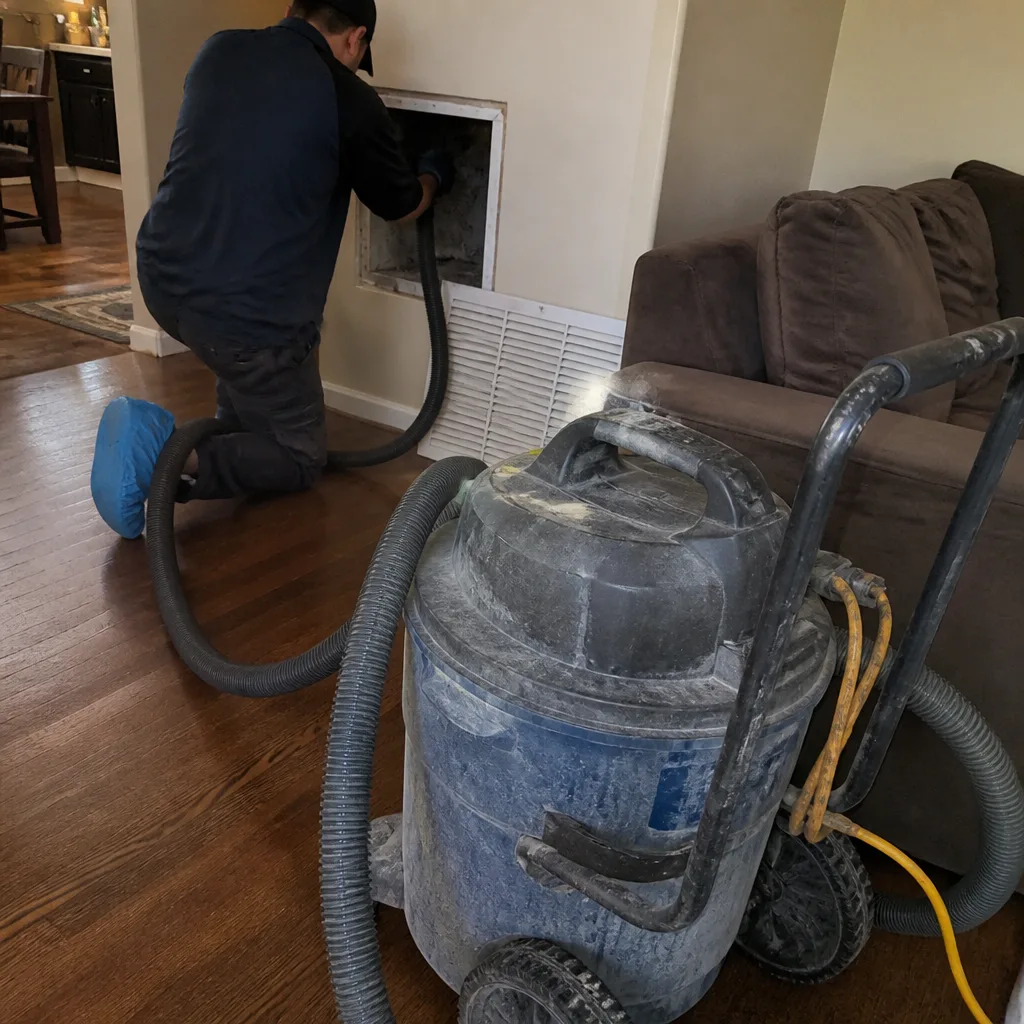 Before
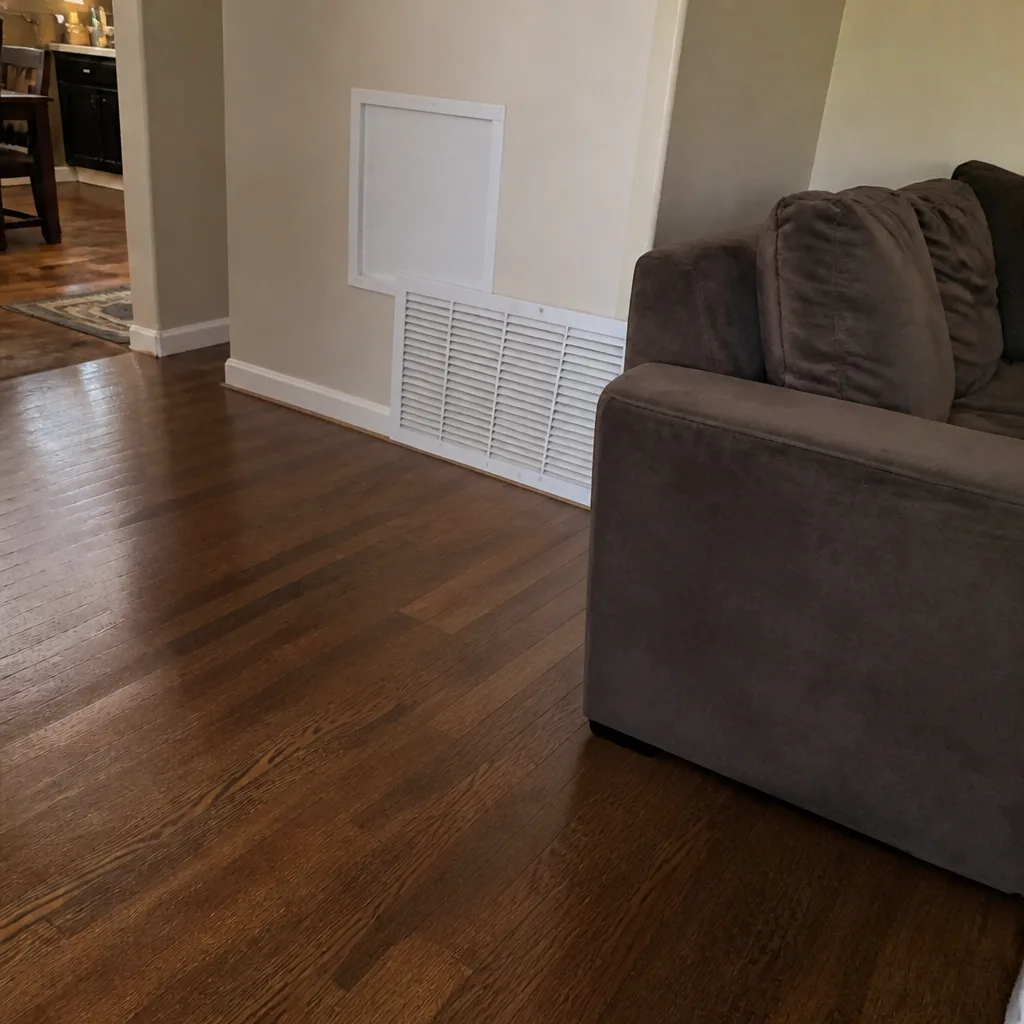 After
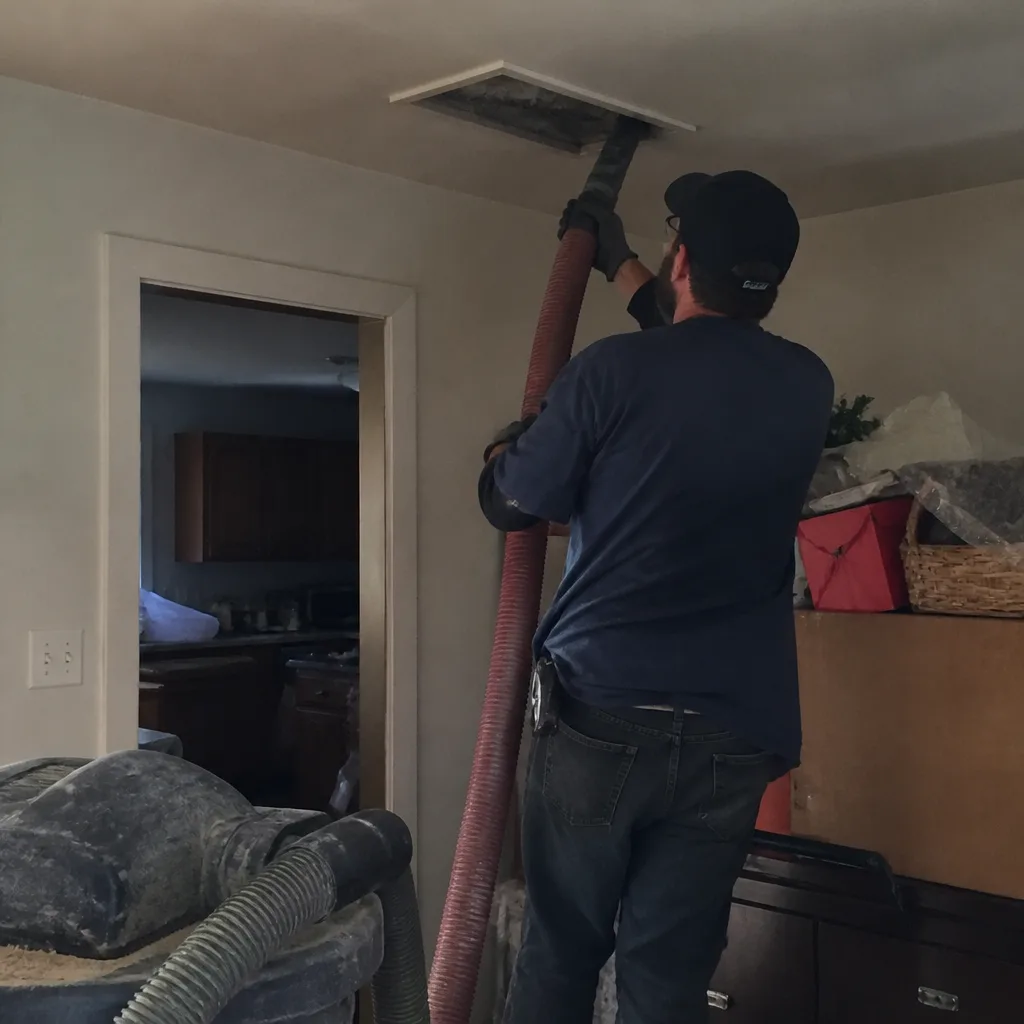 Before
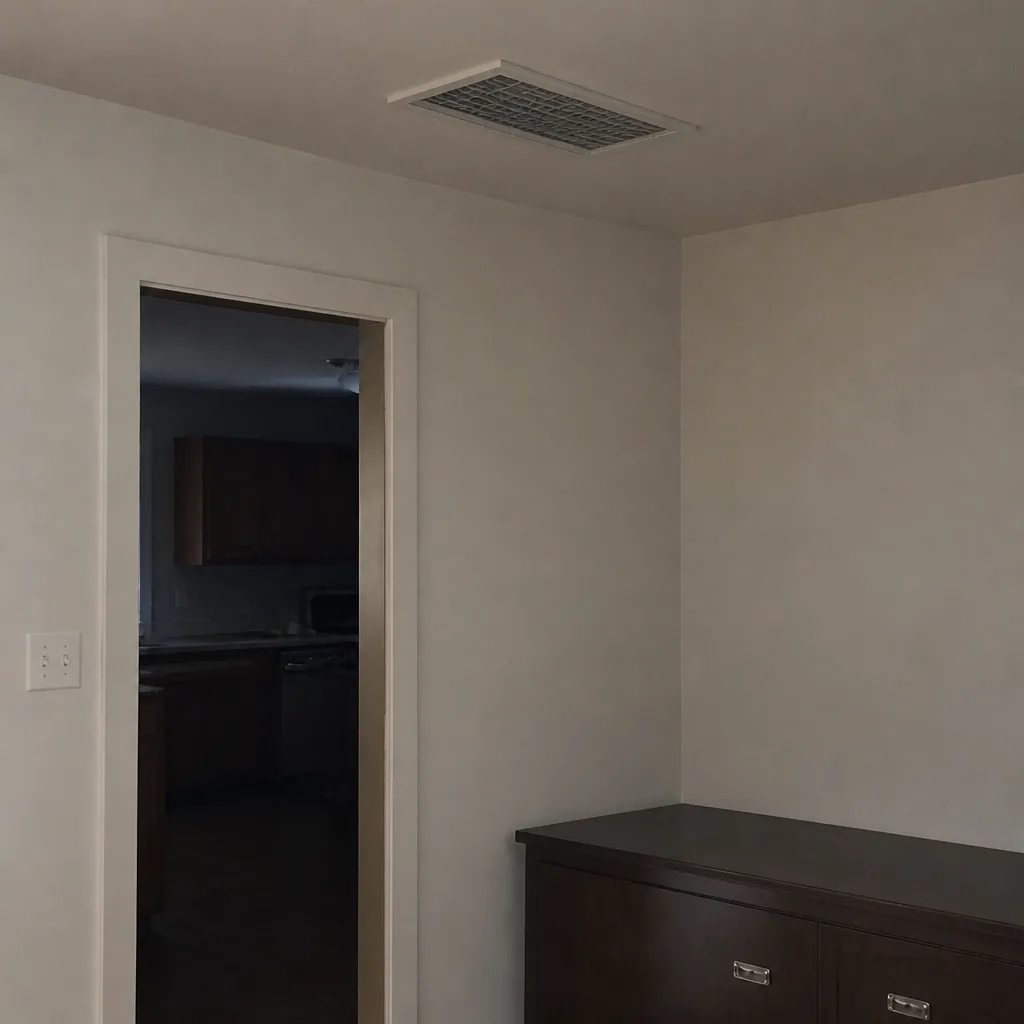 After
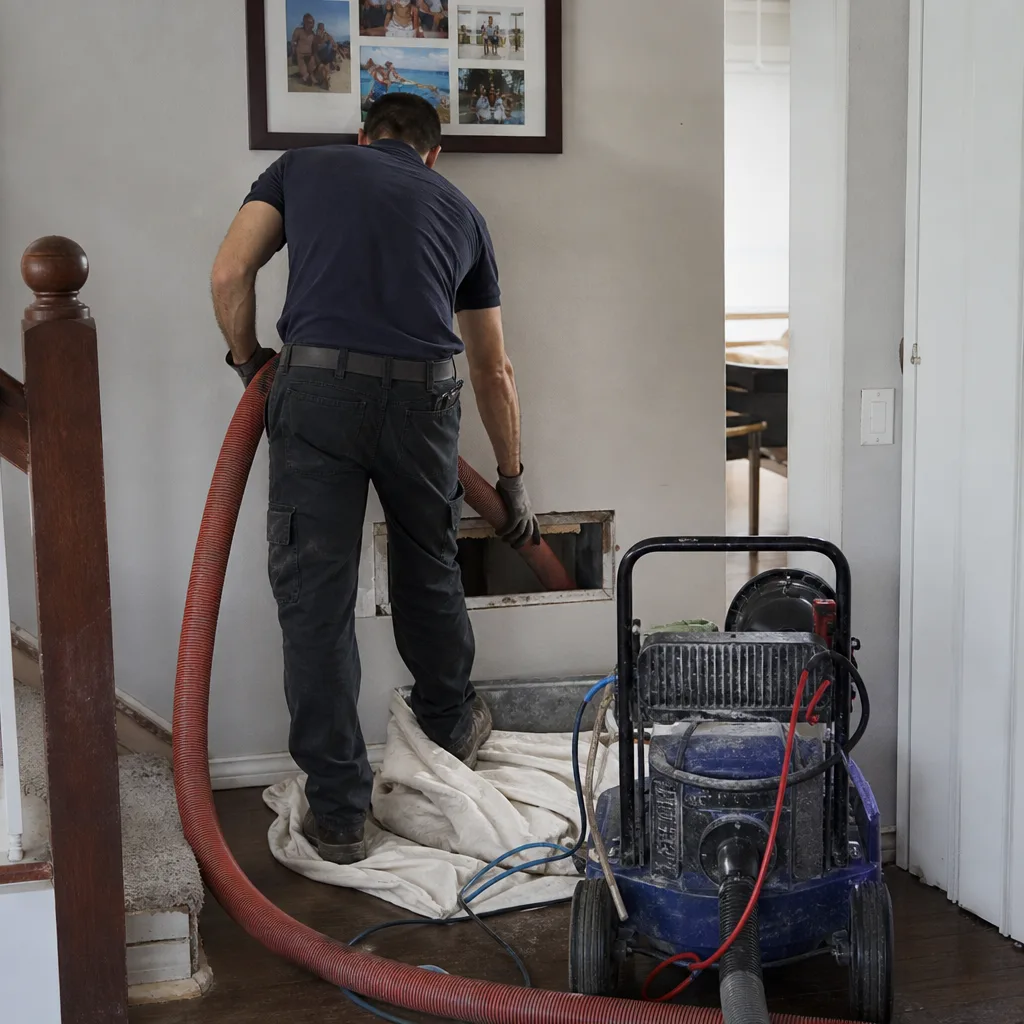 Before
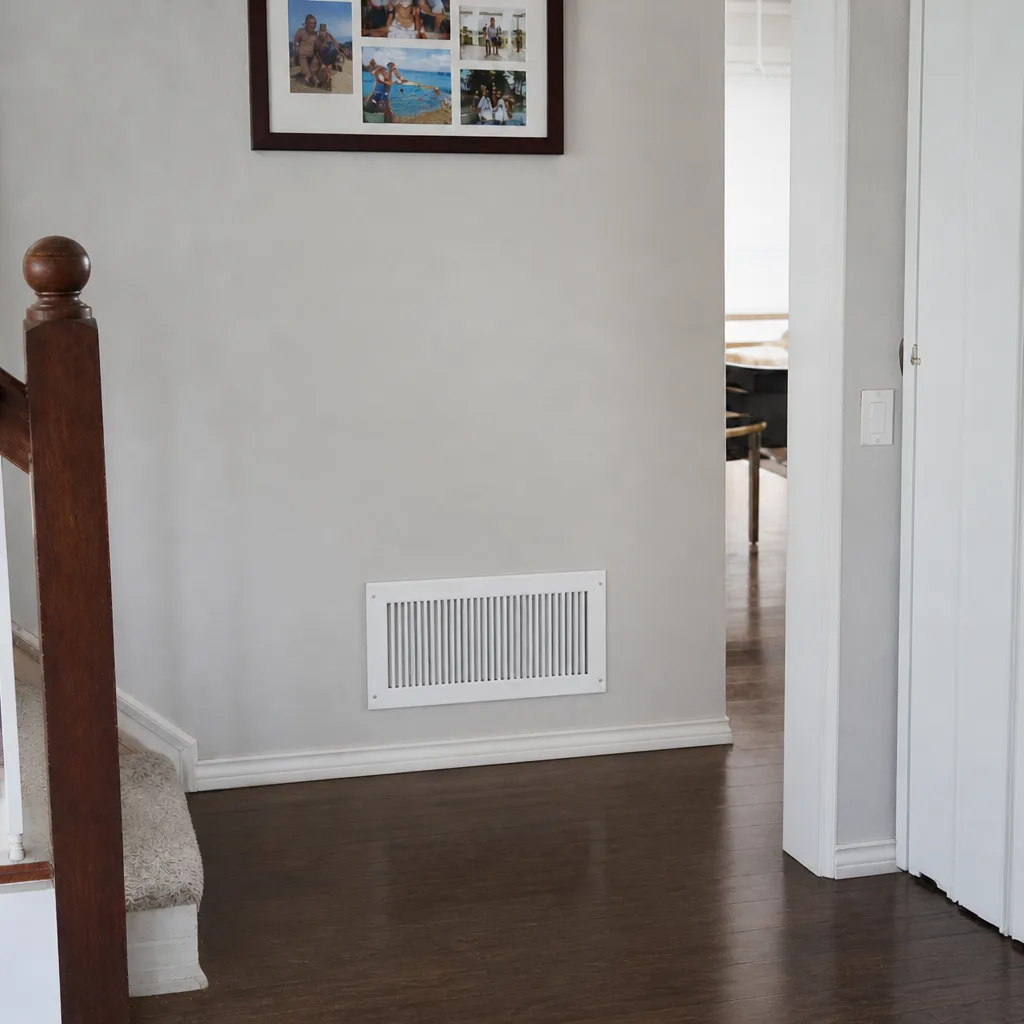 After
When to Call a Professional
Call a professional when any of these apply: you’ve found two or more warning signs on this list, you’ve had a renovation or water event that touched the system, you’ve noticed a persistent smell that appears with the furnace cycle, or you suspect rodent activity in the ductwork. A professional inspection is worth it even when the answer is “nothing serious yet,” because knowing the system is tight and clean removes the guesswork from every other decision about your HVAC. Holladay Air Duct Cleaning offers free estimates in Holladay – call (844) 569-6978. We answer 24/7. Fast dispatch from 7am to 7pm, Sunday through Friday. The local pro is licensed and insured as their state requires, and you’ll get a written estimate before any work begins.
Frequently Asked Questions
Most homes don’t need a set schedule, but they do need an inspection every few years, and a cleaning when one of the warning signs on this guide shows up. A Holladay home that has had a renovation, a water event, pets, or a rodent issue will need attention sooner than one with none of those. If the system is tight and the filters are well-fitted, the interval stretches. Call (844) 569-6978 for an exact quote – estimates are free.
There’s a fair range depending on the size of the system, how many registers, and whether repair or sealing is needed. The quote is always set as one flat price per system, agreed before any work starts, and a written estimate sets the final number – not a per-vent figure, and not a teaser coupon that turns into a bigger invoice once the technician is on site. Call (844) 569-6978 for an exact quote – estimates are free.
The cheapest quotes usually skip the equipment and the time the work actually requires. A real whole-system cleaning uses rotary brushes and HEPA vacuum extraction to reach the full run, and that includes the air handler and the return side – which takes real hours. A quote that seems too good for that scope is usually a small scope being described in a big way. Call (844) 569-6978 for an exact quote – estimates are free.
Ask for before-and-after photos of your own system, and don’t accept stock images. A technician using Rotobrush or Nikro equipment will have no trouble providing them, and a system with the register streaks you saw earlier should look materially different after cleaning. If a technician can’t show you the difference, that tells you something too. Call (844) 569-6978 for an exact quote – estimates are free.
Yes, that pattern – appearing at startup and fading within minutes – is one of the most reliable indicators of microbial growth in the ductwork. It fades because airflow dries the surface, but the growth persists and the next heating cycle brings the smell back. It’s worth an inspection, especially if the same smell is present on the first cold morning of the season. Call (844) 569-6978 for an exact quote – estimates are free.
With us, yes – duct repair and sealing is part of the service we handle, so problems found during a cleaning can be addressed on the same visit rather than left for a second contractor. And because we carry air-filtration equipment for remediation-level work, a heavy contamination case doesn’t need to be referred elsewhere. If you also need dryer vent cleaning, that’s handled in the same visit when the vent is accessible. Call (844) 569-6978 for an exact quote – estimates are free.
The Bottom Line
The warning signs that matter most aren’t the ones you can see from the couch. They’re the smell that appears on startup, the one room that lags behind the rest, the brown ring around a register, the utility bill that climbs slowly while the furnace passes inspection, and the timeline after work or water that homeowner guides usually skip. If you’ve spotted any of those in your Holladay home, the right next step is a professional inspection that looks at the whole air pathway, from register to HVAC unit, with the equipment and repair capability to do something about what it finds. See what’s in your ducts – then do something about it.
Holladay Air Duct Cleaning is your local resource for Holladay Air Duct Cleaning services, and we’re ready to look at your system. Call (844) 569-6978. We answer 24/7. Fast dispatch from 7am to 7pm, Sunday through Friday. One flat price per system agreed before work starts, before-and-after photos of your own ducts, and a written estimate that sets the final price.
Written by the team at Holladay Air Duct Cleaning.