
Last updated November 24, 2026
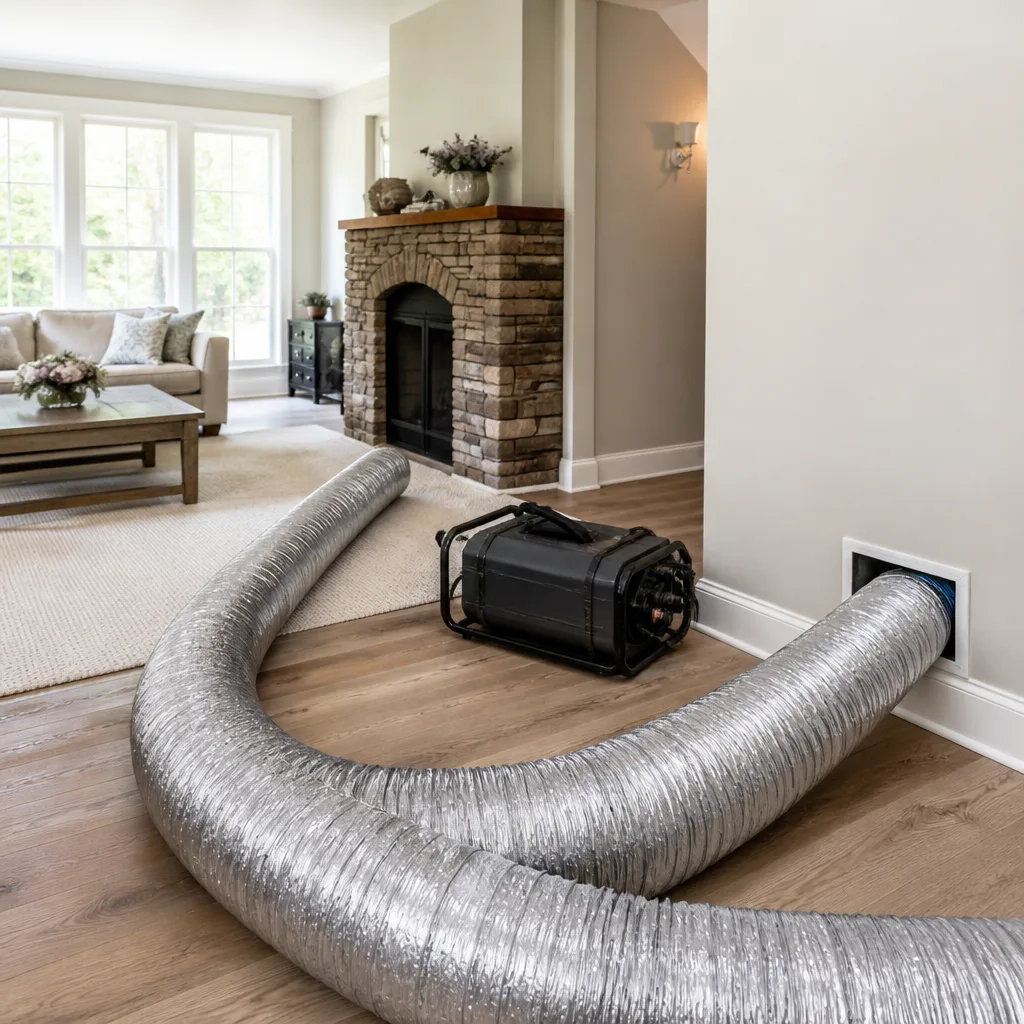 Whole-home duct cleaning
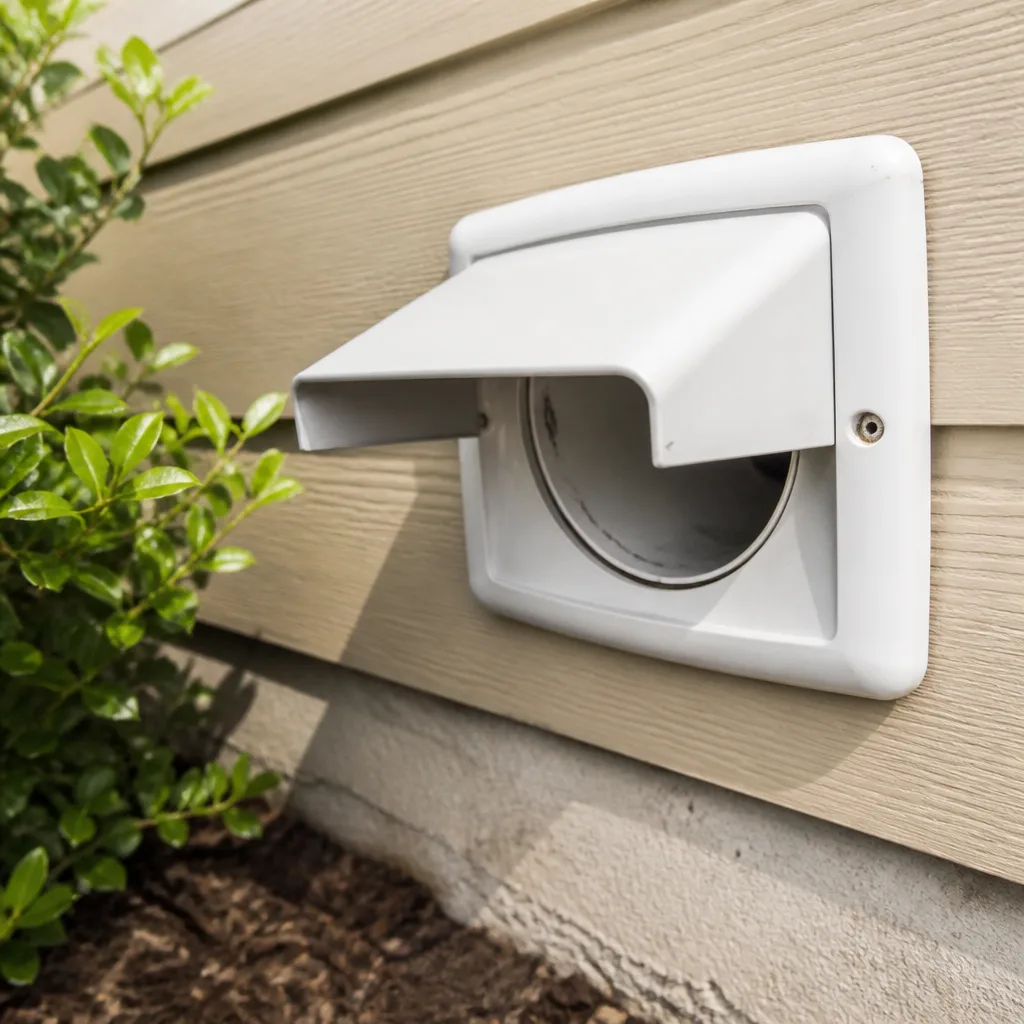 Dryer vent cleaning
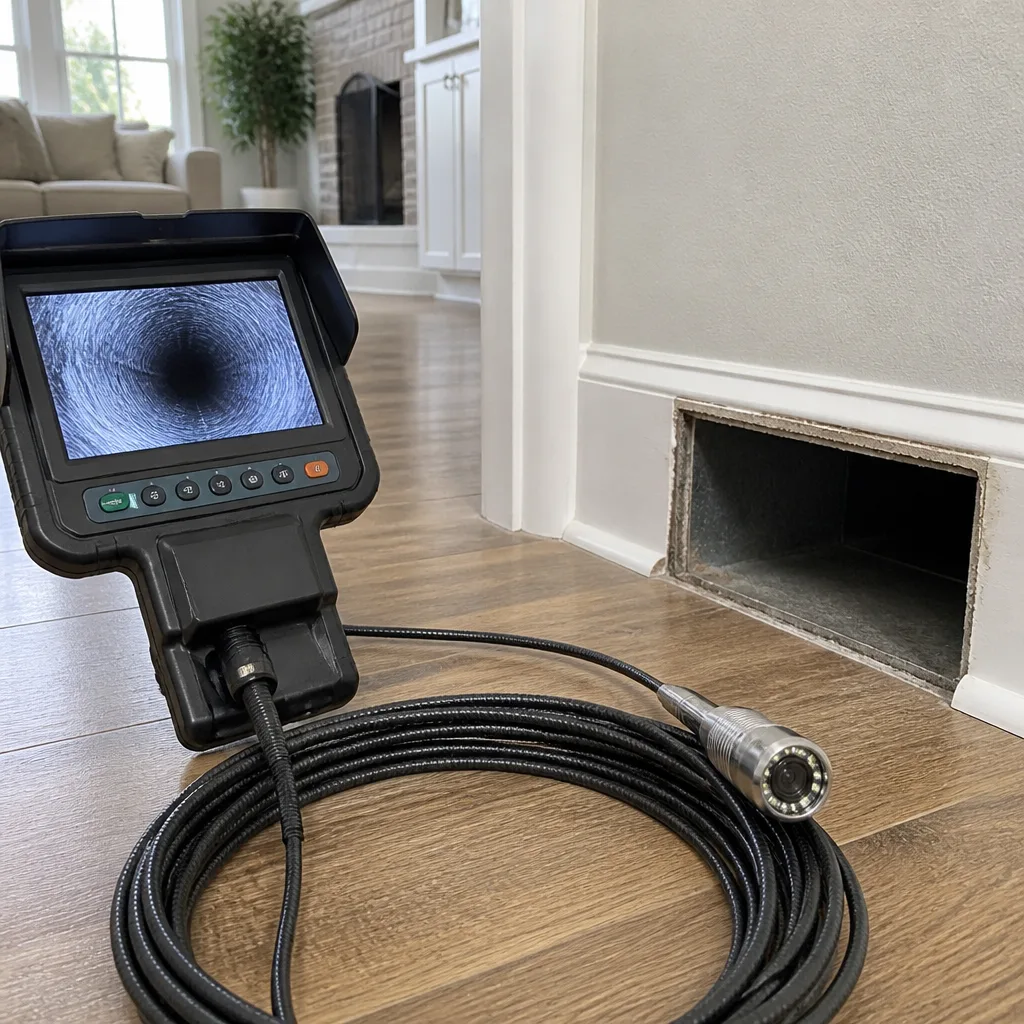 Camera inspection
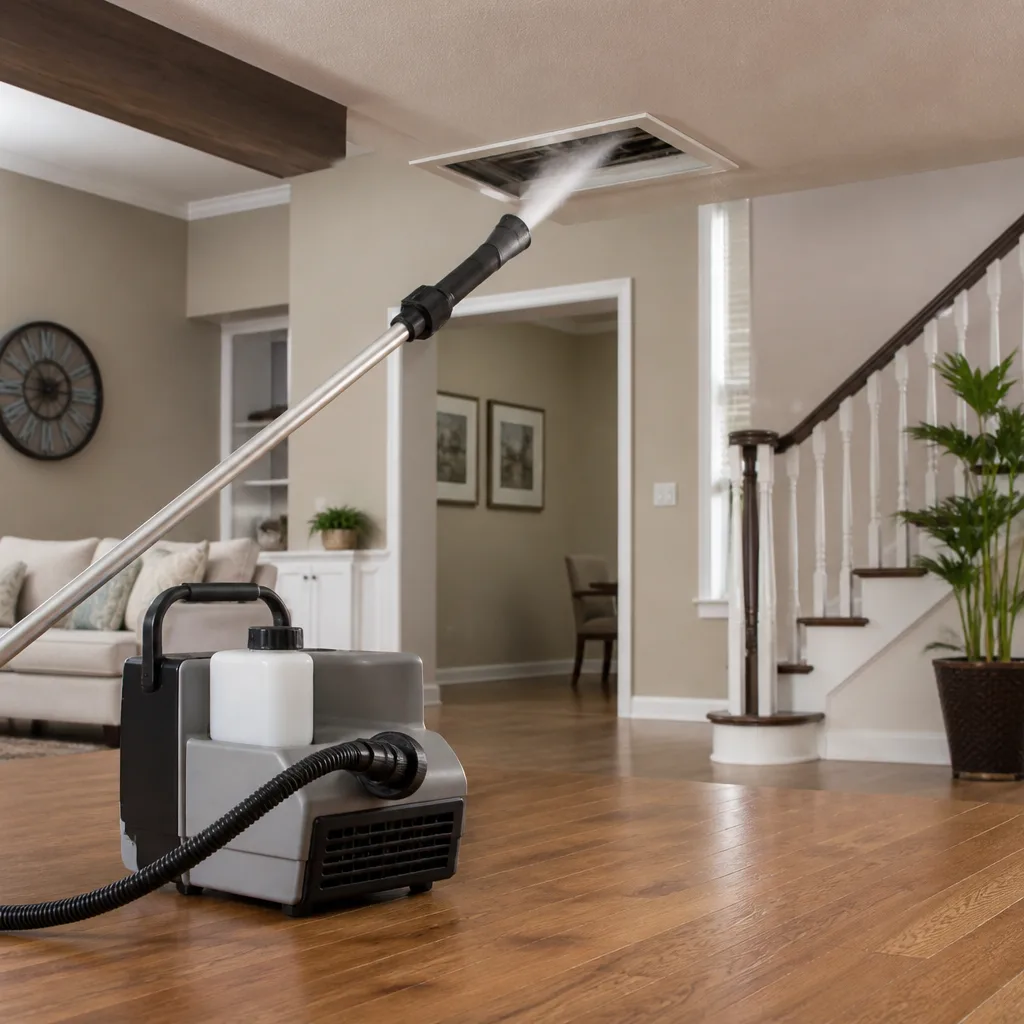 Sanitizing & deodorizing
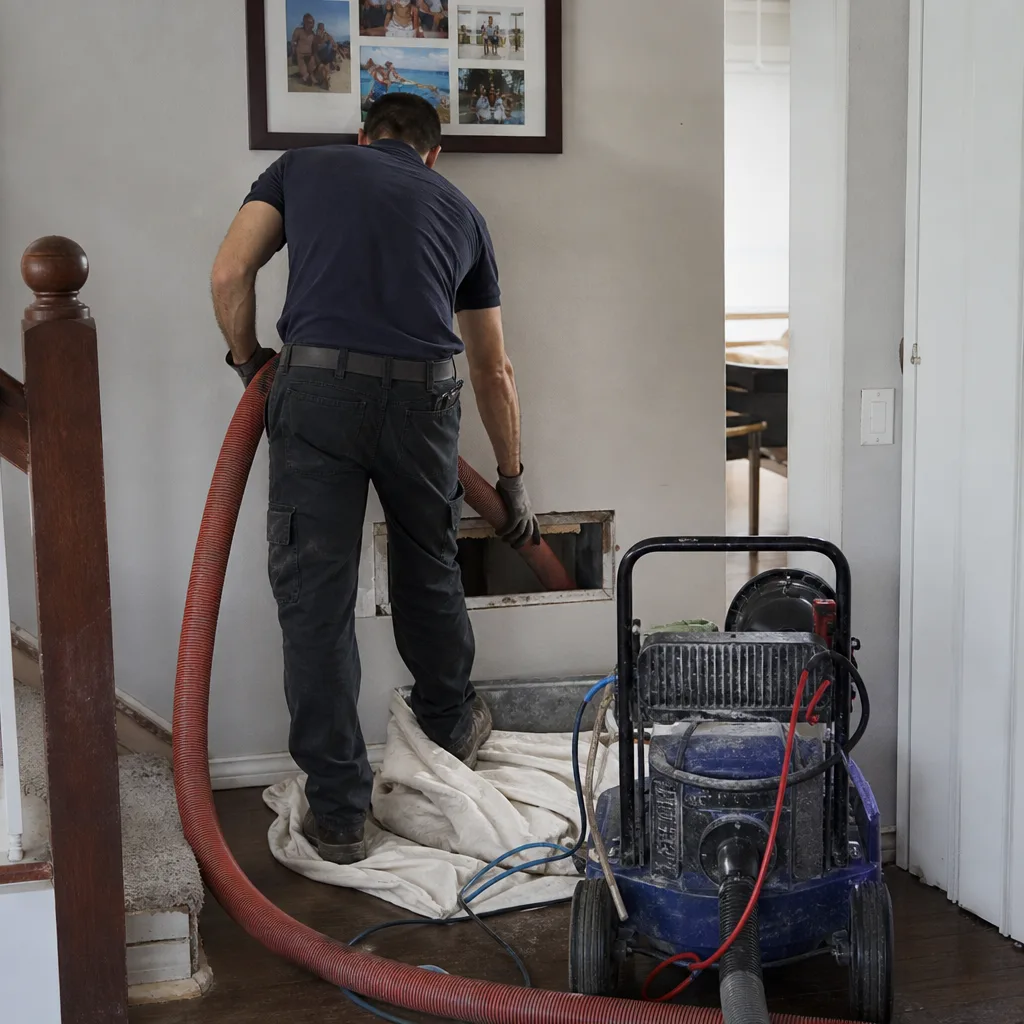
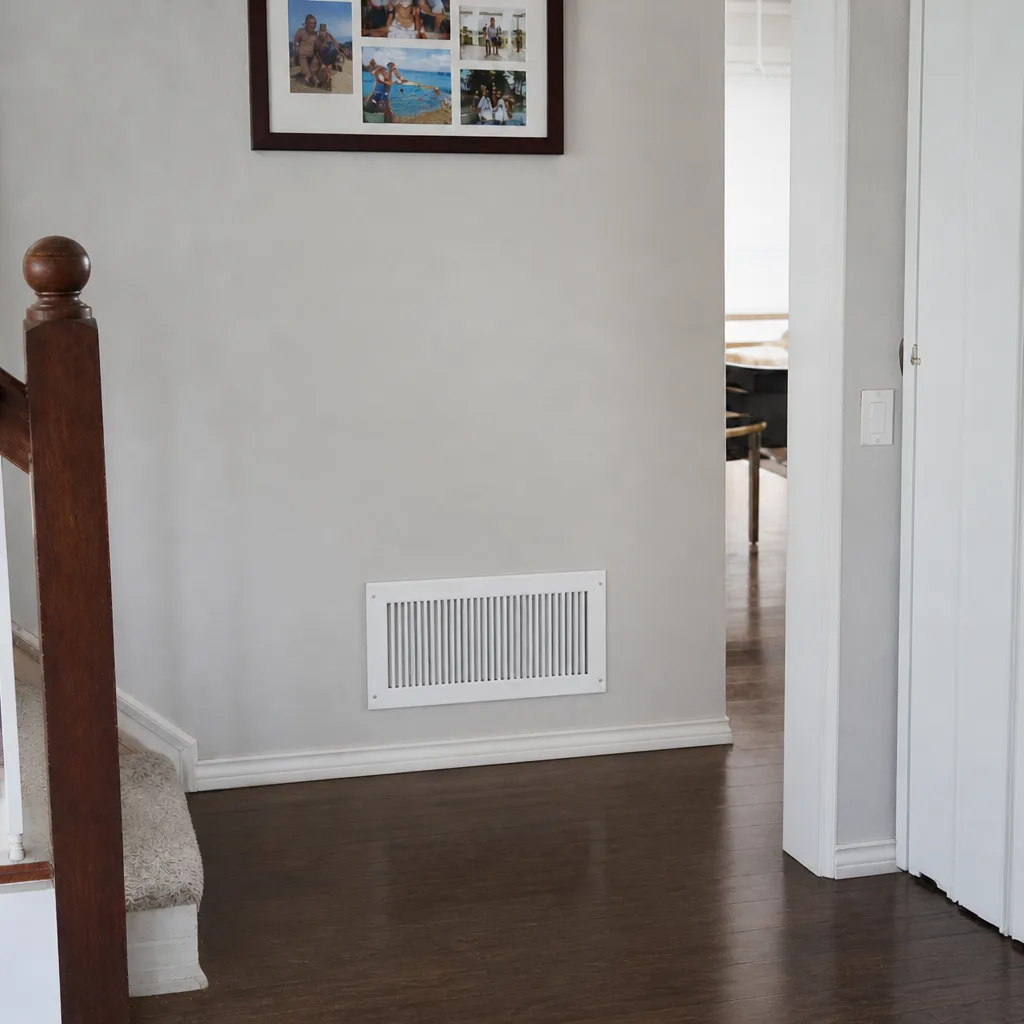
Whole-system duct and dryer vent check with before-and-after photos - you see exactly what came out of your vents
That "$99 whole-house special" is a bait ad - the real number appears once they are in your hallway, or the "clean" is a shop-vac at the register. We photograph the inside of your ducts before and after instead.
Air Duct Cleaning Emergency Preparedness Guide for Holladay Homes
Sealing the house and running the fan on recirculation feels like the right move when smoke rolls into the valley. It’s the exact opposite of what your duct system needs. When the 2020 Utah wildfires sent smoke over the Salt Lake Valley, plenty of Holladay homeowners closed every window, switched the thermostat to fan-on, and kept it there for days. That combination pulls smoke in through the return, pushes fine particulate through the ducts, and leaves a film on the inside of every run that no filter will ever catch. What follows is the protocol that actually works, whether the threat is smoke, water, or a shake that shifts a trunk line. In this Holladay guide, we’ll cover the first 24 to 72 hours after each kind of event, the settings and inspections that matter, the paperwork insurers ask for, and what to document now so a crew can work fast when time is short.
Quick Answer
When a duct-system emergency hits a Holladay home, the correct first move is to shut the system down and keep outdoor air out, not to run the fan harder. For wildfire smoke, close the fresh-air intake and the outside damper, run the system only on recirculation with a high-MERV filter, and have the ducts professionally cleaned within days of the smoke clearing. For flood water in sub-slab or crawlspace ducts, the clock is tighter: the system must be shut off, dried, and assessed within 24 hours, with mold colonization becoming likely in wet duct material between 24 and 72 hours. After an earthquake, inspect the air handler and every visible trunk connection before restarting anything. Call (844) 569-6978 to talk through what you’re seeing.
Styles & brands we work with
- Whole-home duct cleaning
- Dryer vent cleaning
- Camera inspection
- Sanitizing & deodorizing
Table of Contents
- Wildfire Smoke Events: The Settings That Keep Smoke Out of Your Ducts
- Flood Water in Ducts: The 24, 48, and 72 Hour Timeline
- Earthquake Response: Inspect the System Before You Restart It
- What to Document for an Insurance Claim
- Pre-Emergency Prep: What to Record Before You Ever Need It
- After the Event: Cleaning, Sealing, and Air Quality Treatment
- Common Mistakes to Avoid
- Frequently Asked Questions
Wildfire Smoke Events: The Settings That Keep Smoke Out of Your Ducts
The counterintuitive part of smoke response is this: your HVAC system is not your ally during an active smoke event unless it’s set up correctly. Running the fan continuously with an open fresh-air intake turns the ductwork into a smoke delivery system, pulling outside air straight into the return and depositing fine ash and combustion particulate along every run. We’ve seen this in plenty of Holladay homes after bad smoke years. The fix is partly about shutting off the intake and partly about what happens after the smoke clears.
Here’s the sequence that minimizes smoke entrainment during an active event:
- Close all windows and exterior doors, and switch off any whole-house fan or evaporative cooler. Those pull smoke in faster than a filter can handle.
- Close the outdoor-air damper and, if your system has an economizer or fresh-air intake, shut it off at the thermostat or the control board. Fresh air is a liability during a smoke event.
- Set the thermostat to recirculate, not to fan-on continuous. Intermittent circulation keeps air moving without dragging smoke through the return for hours at a time.
- Run the highest-MERV filter your system’s blower is rated for. Too high a MERV on an undersized blower strains it, so check the rating before swapping.
- Keep the system off entirely if outdoor particulate is heavy and you can smell smoke indoors. A closed house with a sealed intake is better than a running system that’s pulling from outside.
- Once the smoke clears and air quality readings return to normal, have the ducts cleaned. The fine film left behind doesn’t go away with a filter change.
Utah’s Wasatch Front gets smoke events from summer fires in the mountains and from fires far outside the state, and Holladay sits close enough to the foothills that smoke settles into the valley overnight. A professional air duct cleaning after a major smoke event removes the deposited particulate before it becomes part of your everyday indoor air.
Flood Water in Ducts: The 24, 48, and 72 Hour Timeline
Water in ductwork is the most time-sensitive of the three emergencies, and the one Holladay homeowners are least prepared for. Flash flooding from foothill runoff, a burst supply line, or a sump failure can send water into sub-slab or crawlspace ducts. Once duct material is wet, mold colonization becomes a race against the clock. The good news is that the sequence is predictable, and the first 24 hours decide most of the outcome.
Within 24 hours:
- Shut off the HVAC system at the thermostat and, if you can safely reach it, at the breaker. Running a wet system spreads moisture and mold spores through the whole house.
- Stop the water source and begin extracting standing water from the crawlspace or sub-slab area.
- Photograph everything before you move a single item: water lines, wet duct material, the air handler, any visible mold.
- Call for professional assessment. Wet ducts need to be dried and evaluated, and a technician can tell you whether the duct material is salvageable or needs replacement.
Within 48 hours:
- Drying equipment should be running. Air movers and dehumidifiers pull moisture out of the crawlspace and the duct exterior.
- Wet insulation or flex duct that can’t be dried fully gets removed. Mold grows in fiberglass and flex liner faster than in rigid metal.
- Assess the duct interior. If water got inside the runs, that interior needs to be inspected, not just dried from the outside.
Within 72 hours:
- By the third day, wet duct material has typically begun to support mold growth. This is where cleaning and sanitizing become essential rather than optional.
- Damaged sections get cut out and sealed. We can handle HVAC cleaning and duct repair and sealing in the same visit, so you’re not hunting for a second contractor while the clock runs.
- Confirm the system is dry before it’s restarted. Restarting wet ducts re-wets the system and undoes the drying work.
For Holladay homes near the foothills and along the lower benches, the runoff risk is highest in spring snowmelt and after heavy summer storms. If you’ve ever seen water pool in the crawlspace, it’s worth having your duct layout documented before the next event, which we’ll cover below.
Earthquake Response: Inspect the System Before You Restart It
A seismic event doesn’t need to be severe to shift duct connections. The air handler and trunk lines are the two places where displacement shows up first, and both can be visually checked before you turn the system back on. Restarting a system with a disconnected trunk line pushes conditioned air into a crawlspace or wall cavity instead of the house, and it can pull dust and debris into the supply runs. Here’s a safe inspection order for Holladay homeowners after a shake:
- Check for gas odors or visible structural damage first. If you smell gas or see cracked framing near the furnace, leave the house and call your utility.
- Confirm power to the HVAC system is off at the breaker before you go near the air handler.
- Inspect the connection where the plenum meets the air handler. A gap, a torn flex collar, or a visibly misaligned boot means the connection has displaced.
- Follow the main trunk lines and look at every connection point, especially in the crawlspace or attic. Flex duct that’s jumped its collar will show a visible gap.
- Check that the duct runs are still supported. Sagging runs or straps that pulled loose are a sign the system moved.
- Only restart the system once you’ve confirmed the connections are intact. If anything looks displaced, have it repaired and sealed before the system runs.
Duct repair and sealing after a seismic event isn’t a quick patch-and-run job. A technician using professional-grade equipment can reattach collars, reseal seams with mastic, and pressure-check the system so the ducts actually hold air. If you’re not sure what you’re looking at, don’t guess. A short inspection now beats a season of conditioned air leaking into a crawlspace.
What to Document for an Insurance Claim
Insurance claims for duct system damage and contamination are won or lost on documentation. The homeowner who photographs everything before the cleanup begins has a far easier time than the one who files after the ducts are already cleaned. Whether the event was smoke, water, or a structural shift, the same categories of evidence matter. Here’s what to gather:
- Photos before cleanup. Water lines on duct material, visible soot or smoke film, displaced connections, standing water in the crawlspace. Include wide shots and close-ups, and keep the originals with their timestamps intact.
- Air quality readings if you have them. Consumer air quality monitors give you a record of indoor particulate levels during and after the event. Even a single reading showing elevated particulate right after a smoke event supports the claim.
- A written contractor assessment. This is the document insurers rely on most. A professional assessment should state what was found, what caused it, what the recommended remediation is, and whether the duct material can be cleaned or must be replaced. Keep it specific to your system, not a generic letter.
- Receipts and records. Filter changes, drying equipment rental, any emergency measures you took. These support the timeline of your response.
- A record of the cause. For a flood, the date and source of the water. For a smoke event, the dates of the active smoke period. For a seismic event, the date and what you observed after.
We can work with your insurer on the documentation side and provide a written assessment of the system’s condition as part of our visit. We don’t bill your insurer directly, but a clear assessment makes the conversation between you and your adjuster much shorter. If the ducts were contaminated by smoke or water and need remediation-level cleaning, our use of Abatement Technologies air-filtration equipment and Guardsman-grade sanitizing products is part of what goes into that assessment.
Pre-Emergency Prep: What to Record Before You Ever Need It
The single biggest time-waster during a duct emergency is a homeowner who can’t find the access panels. When smoke is in the air or water is rising in the crawlspace, a technician shouldn’t be spending the first hour locating the trunk lines. Preparing now costs a few minutes and saves a lot later. Here’s the duct system information every Holladay homeowner should document:
- Duct material. Rigid metal, flex, or a mix. Note which sections are which. Flex duct responds to water differently than metal, and it matters for both drying and cleaning.
- Access point locations. Photograph every access panel, return grille, and crawlspace hatch. Note which ones are behind furniture, in closets, or hard to reach.
- A system layout sketch. A rough drawing of the air handler location, trunk line routing, and where the runs branch off. It doesn’t need to be to scale. A sketch on a notepad is enough.
- The air handler and furnace model numbers. Note the make and model of the air handler, furnace, and any IAQ products installed. If you have Aprilaire or Honeywell equipment, record the model.
- Filter size and MERV rating. Note the size and the highest MERV your blower is rated for, so a replacement filter during an emergency is the right one.
- Photos of the current condition. A baseline photo set of the duct interior, air handler, and crawlspace gives you a before-and-after reference for any future claim or cleaning.
Keep this record somewhere you can find it without power or internet: a printed copy in a waterproof bag in a known drawer, plus a digital copy in cloud storage. Holladay homeowners who go through this once tend to keep it current, because the difference it makes during a smoke event or a flood is real.
After the Event: Cleaning, Sealing, and Air Quality Treatment
Once the immediate threat has passed, the work shifts from response to restoration. The goal is to get the duct system back to a clean, sealed, and healthy state, not just to vacuum out what’s visible. For a Holladay home that’s been through smoke, water, or a shake, that means a full-system approach: the ducts, the HVAC unit, and the air quality treatment layer all get attention.
What a proper restoration visit involves:
- Source removal cleaning. We use Rotobrush rotary-brush systems and Nikro HEPA-vacuum equipment, the same rotary-brush-and-HEPA systems used by commercial contractors, not portable shop-vac rigs. Source removal means the contamination is agitated off the duct surfaces and captured, not just blown around.
- HVAC unit cleaning. The air handler, blower, and coil need attention too. Contamination that settles in the unit re-enters the airstream every time the system runs.
- Duct repair and sealing. Any damage found during cleaning gets fixed in the same visit. Leaks and displaced connections get sealed so the system actually holds air.
- Sanitizing and air quality treatment. For smoke and water events, Guardsman-grade sanitizing products address what’s left after cleaning. Aprilaire and Honeywell IAQ products can help manage long-term filtration and humidity.
- Dryer vent cleaning if it’s been neglected. A smoke or water event is a good time to check the dryer vent cleaning side of the system too, since lint buildup is its own fire risk.
Our technicians have up to 13 years of experience with full-system work, and we clean it, repair it, and seal it in one visit rather than leaving you to coordinate a second contractor. If you want to see the before-and-after for your own system, we photograph the ducts as part of the job. Better air starts at the source, and the source is the whole system, from the duct opening to the HVAC unit.
See the difference
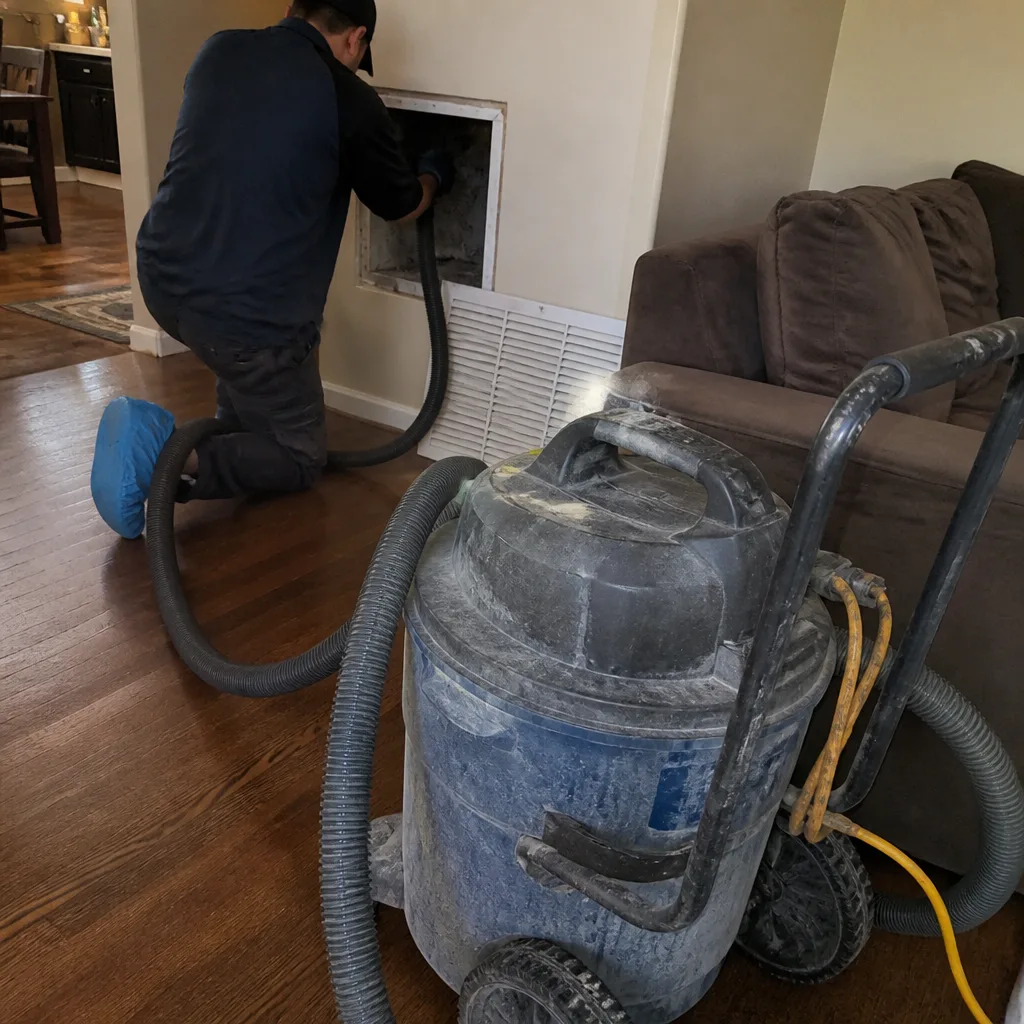 Before
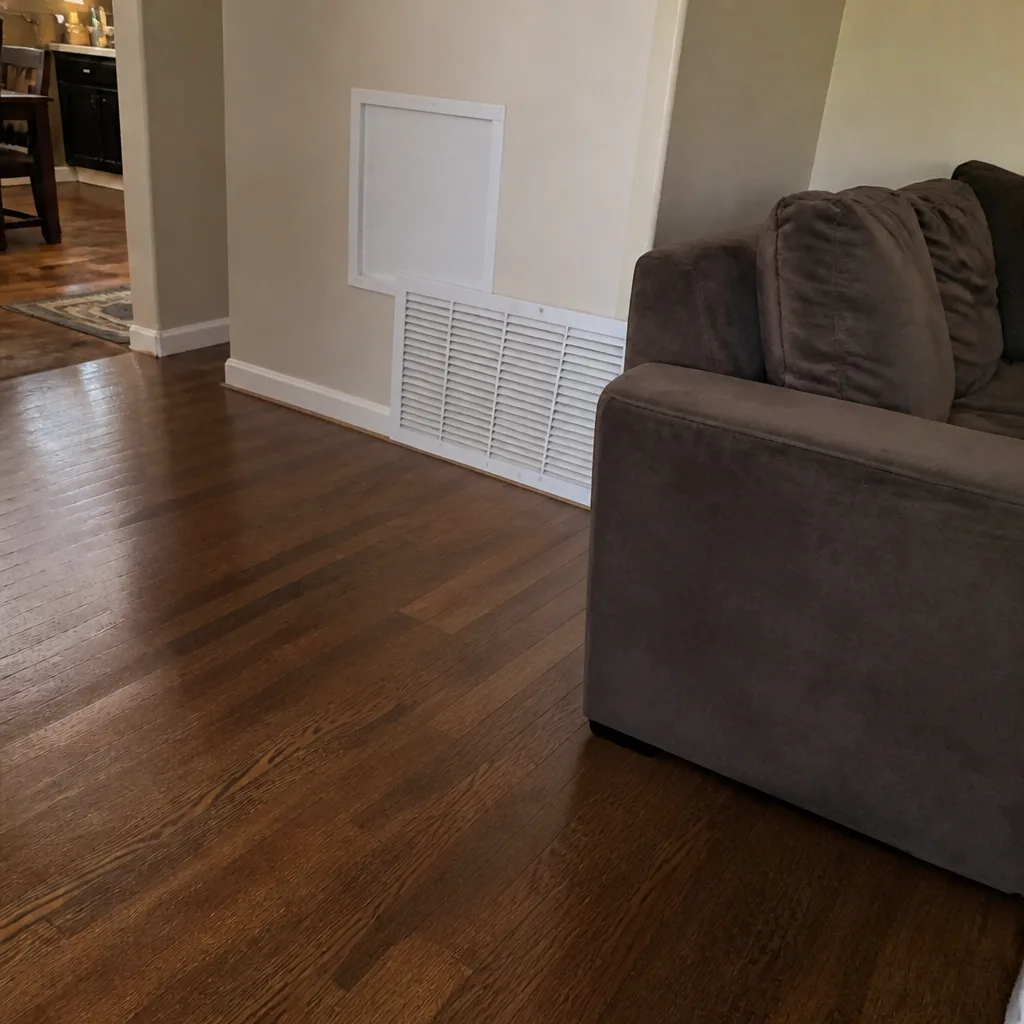 After
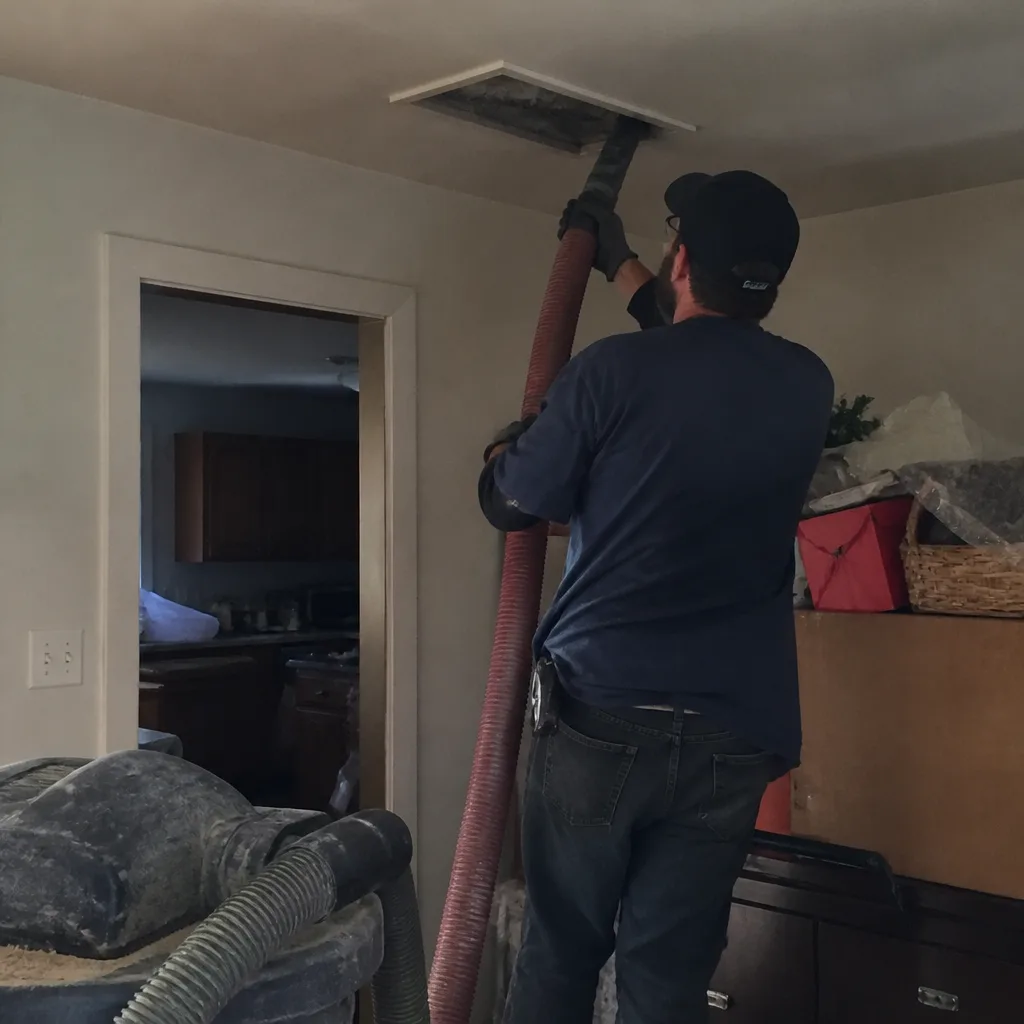 Before
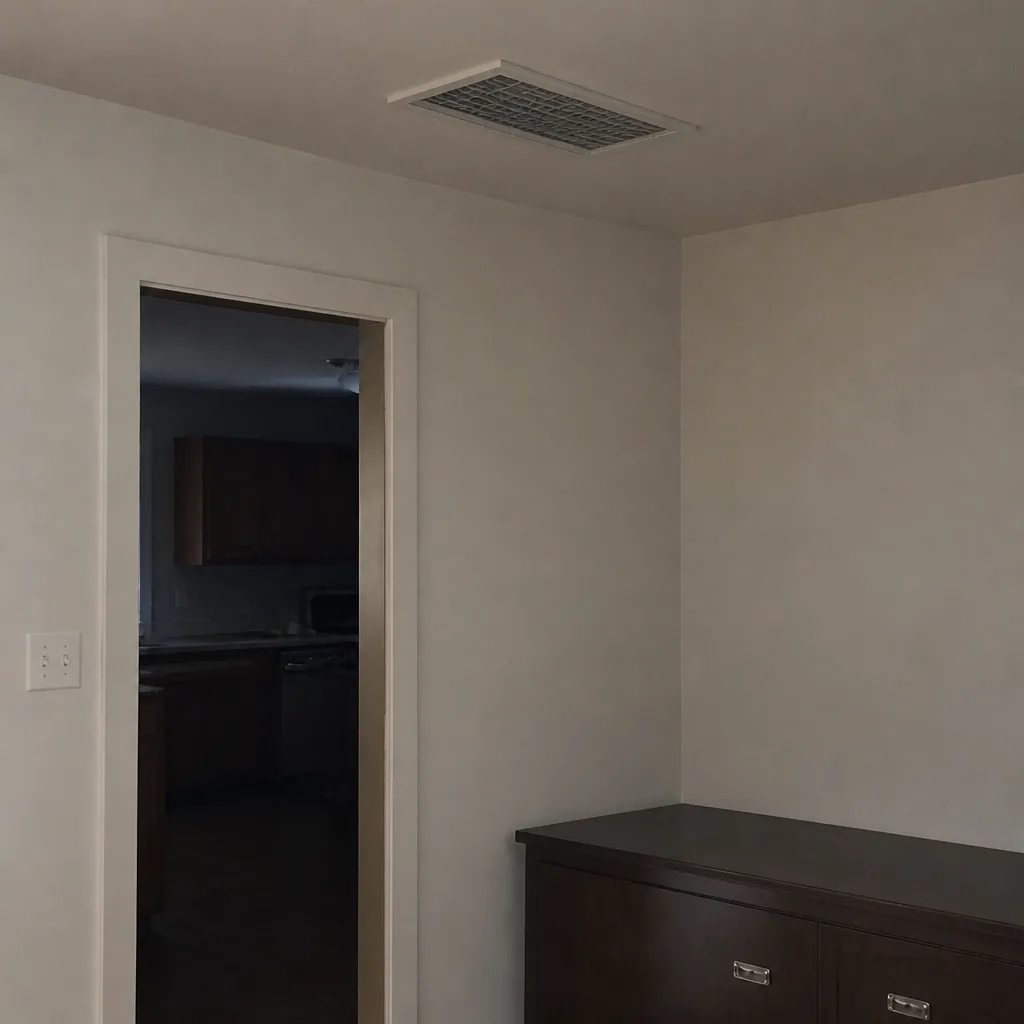 After
 Before
 After
Common Mistakes to Avoid
- Running the fan on continuous during a smoke event. It feels like you’re filtering the air, but a running system with an open fresh-air intake pulls smoke into the return and deposits it along every run. Shut the intake, run on recirculation, and keep fan-on intermittent.
- Waiting to dry wet ducts because the water “looks minor.” Mold doesn’t need standing water, just damp material. In Holladay’s crawlspaces and sub-slab runs, a small amount of water that goes unnoticed for two days is enough to start the clock. Dry and assess within 24 hours.
- Restarting the HVAC immediately after an earthquake. A shifted trunk connection or a jumped flex collar pushes conditioned air into a crawlspace and pulls debris into the supply runs. Inspect first, restart second.
- Cleaning up before documenting. Once the ducts are cleaned, the evidence is gone. Photograph water lines, soot, and displaced connections before a mop or a vacuum touches anything.
- Treating smoke cleaning as a filter change. A high-MERV filter catches some particulate, but the film that settles inside the ducts stays there. A filter swap is not a duct cleaning.
- Hiring a cleanup crew before confirming the ducts are dry. Running a system with damp duct material spreads moisture. Confirm dryness first, then restart.
- Not knowing where your access panels are. During an emergency, the last thing you want is a technician searching for a crawlspace hatch. Document access points and a layout sketch now.
When to Call a Professional
Some duct problems you can handle with a filter change and a little patience. Others need a trained technician with the right equipment, and the line between the two is clearer than most homeowners expect. Call a professional if you’ve had smoke infiltration from a wildfire event and the smell or visible film persists after the smoke clears; if any water reached your ductwork or crawlspace, even a small amount; if you notice displaced connections, sagging runs, or a gap at the air handler after a seismic event; or if you’re filing an insurance claim and need a written assessment of the system’s condition. If you’re unsure, the call is free. Holladay Air Duct Cleaning offers free estimates in Holladay. Call (844) 569-6978. We answer 24/7, and fast dispatch runs from 7am to 7pm, Sunday through Friday.
Frequently Asked Questions
Shut the fresh-air intake and outdoor damper, set the system to recirculate rather than fan-on continuous, and run the highest-MERV filter your blower is rated for. Once the smoke clears, have the ducts cleaned to remove the deposited particulate. Call (844) 569-6978 to book an assessment. We answer 24/7.
You have roughly 24 hours to shut off the system, stop the water, and begin drying before mold colonization becomes likely in wet duct material. Between 24 and 72 hours, the risk rises sharply. By day three, cleaning and sanitizing are usually essential, not optional. If water reached your ducts, call for an assessment right away.
No. Running the system with wet duct material spreads moisture and mold spores through the whole house. Shut the system off at the breaker, extract standing water, and begin drying from outside the duct. Restart only after the system is confirmed dry and assessed.
Photographs before cleanup, any air quality readings you have, a written contractor assessment of the system’s condition, receipts for emergency measures, and a record of the cause and date. A specific written assessment is the document insurers rely on most. We can provide that assessment as part of a visit.
Look at the connection where the plenum meets the air handler, then follow the trunk lines and check every visible connection point for gaps, torn flex collars, or misaligned boots. Sagging runs or loose straps are also a sign. If anything looks displaced, have it repaired and sealed before restarting the system.
Yes. We handle air duct cleaning, HVAC cleaning, duct repair and sealing, and air quality and sanitizing under one company, so problems found during a visit get fixed in the same visit. That includes smoke and water remediation-level cleaning using Abatement Technologies air-filtration equipment.
The Bottom Line
The first 24 to 72 hours after a duct-system emergency decide how much of the system can be saved. For smoke, the correct move is to seal the intake and recirculate, not to run the fan harder. For water, it’s shut off, dry, and assess within a day, because mold colonization follows fast. For a seismic event, it’s inspect before you restart. Document everything before cleanup begins, and know your access points and layout before you ever need them. Holladay Air Duct Cleaning is here for the cleanup, the repair, and the sealing, all in one visit. Call (844) 569-6978 for a free estimate, so we can see what’s in your ducts and help you do something about it. We answer 24/7. Fast dispatch, 7am-7pm, Sunday through Friday. For a full picture of our service, see Holladay Air Duct Cleaning.
Written by the team at Holladay Air Duct Cleaning.