
Last updated November 24, 2026
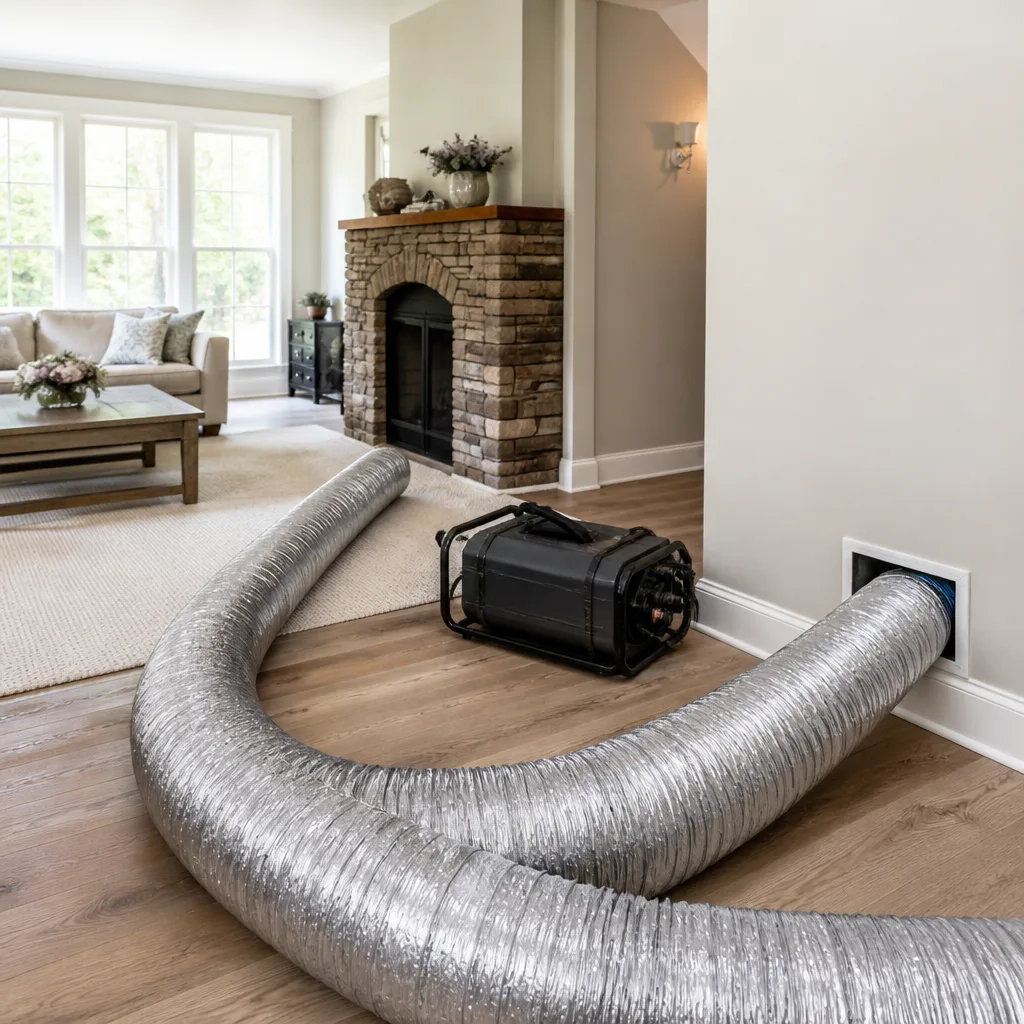 Whole-home duct cleaning
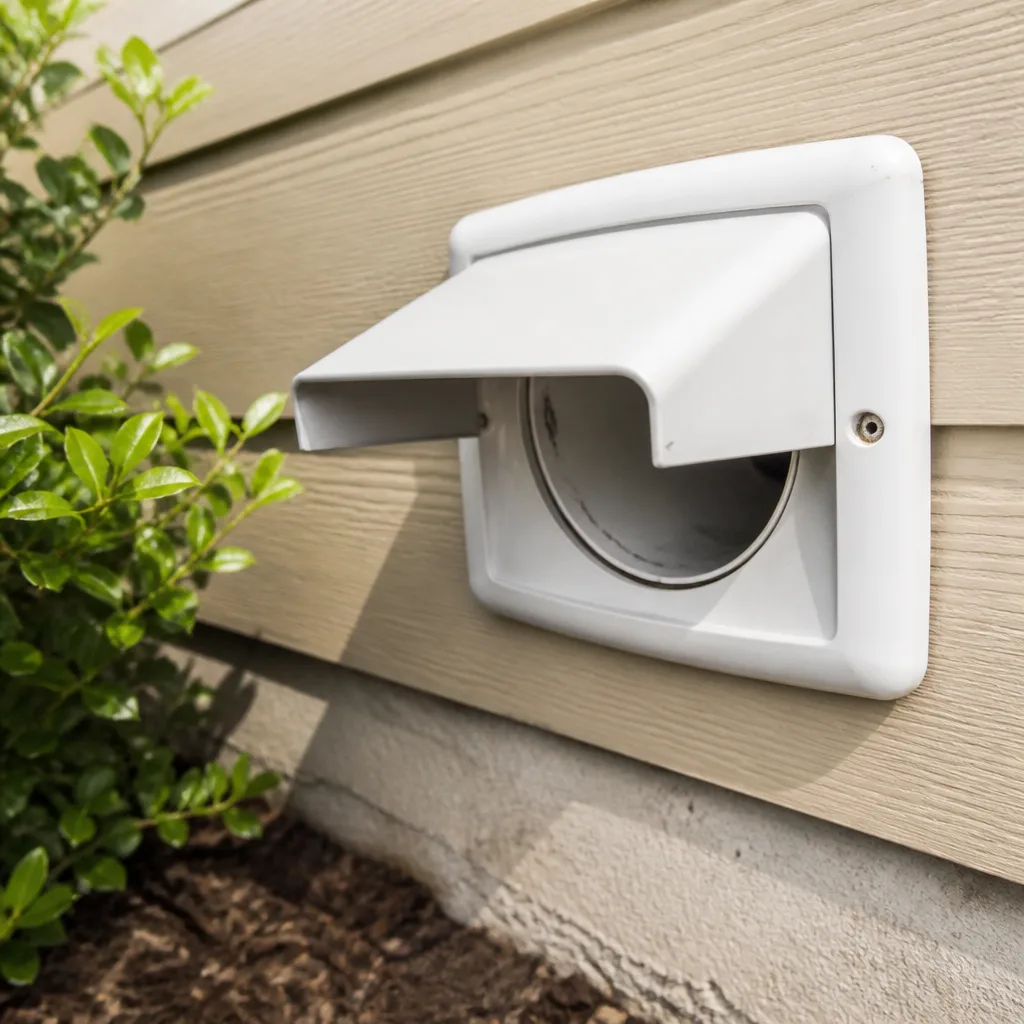 Dryer vent cleaning
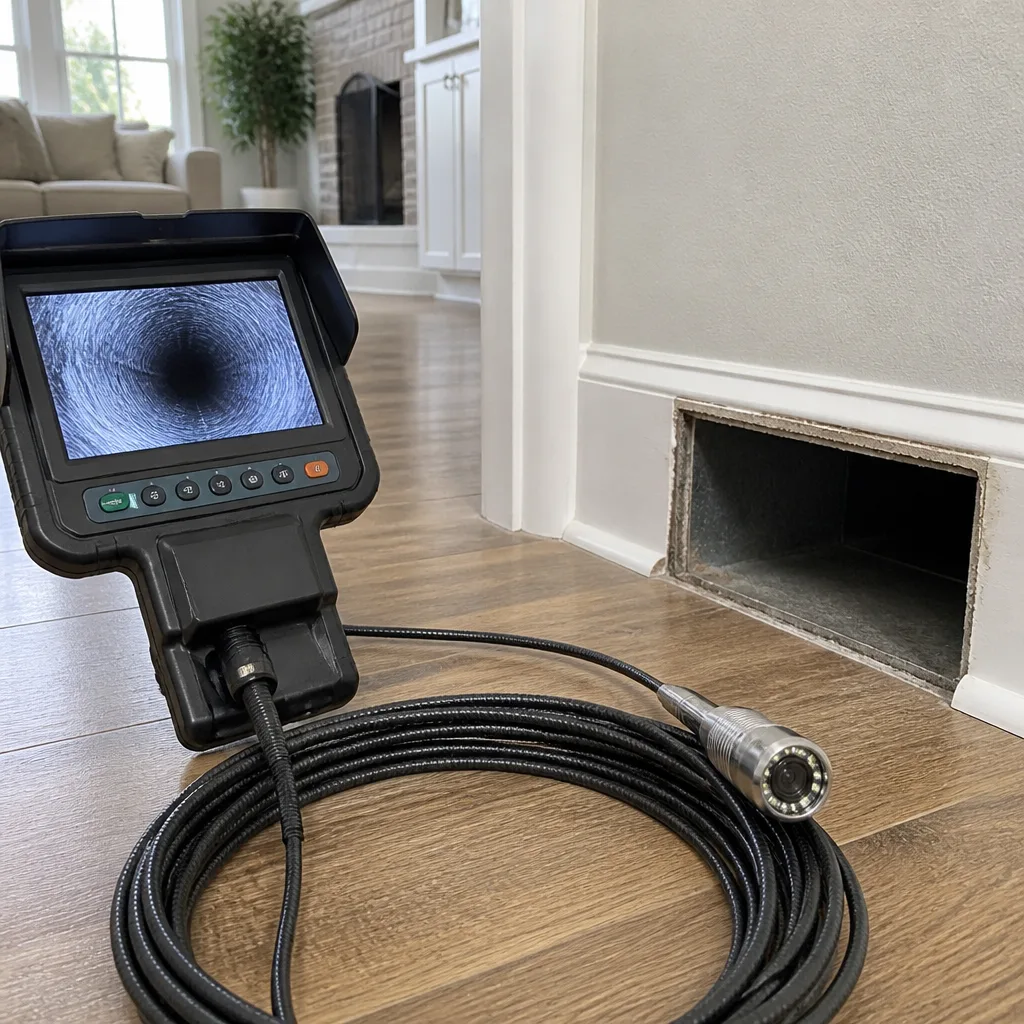 Camera inspection
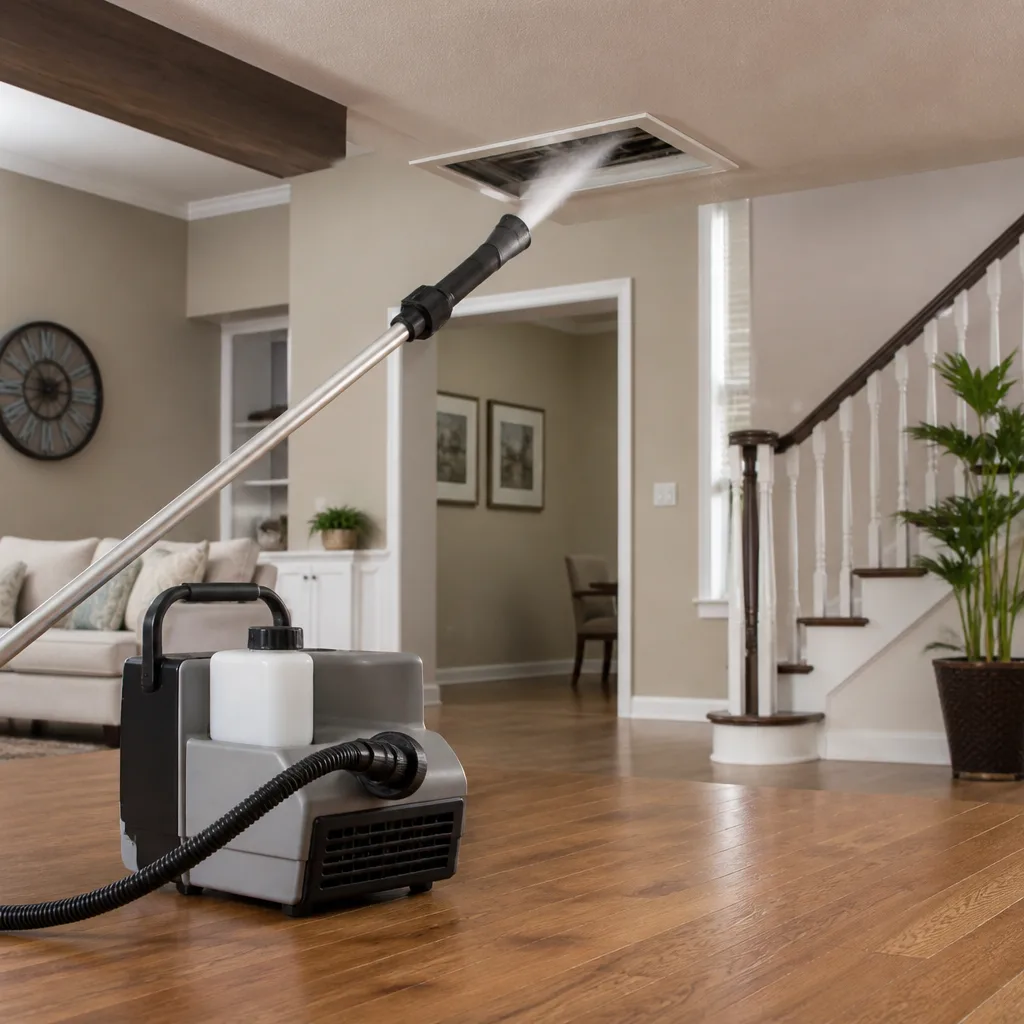 Sanitizing & deodorizing
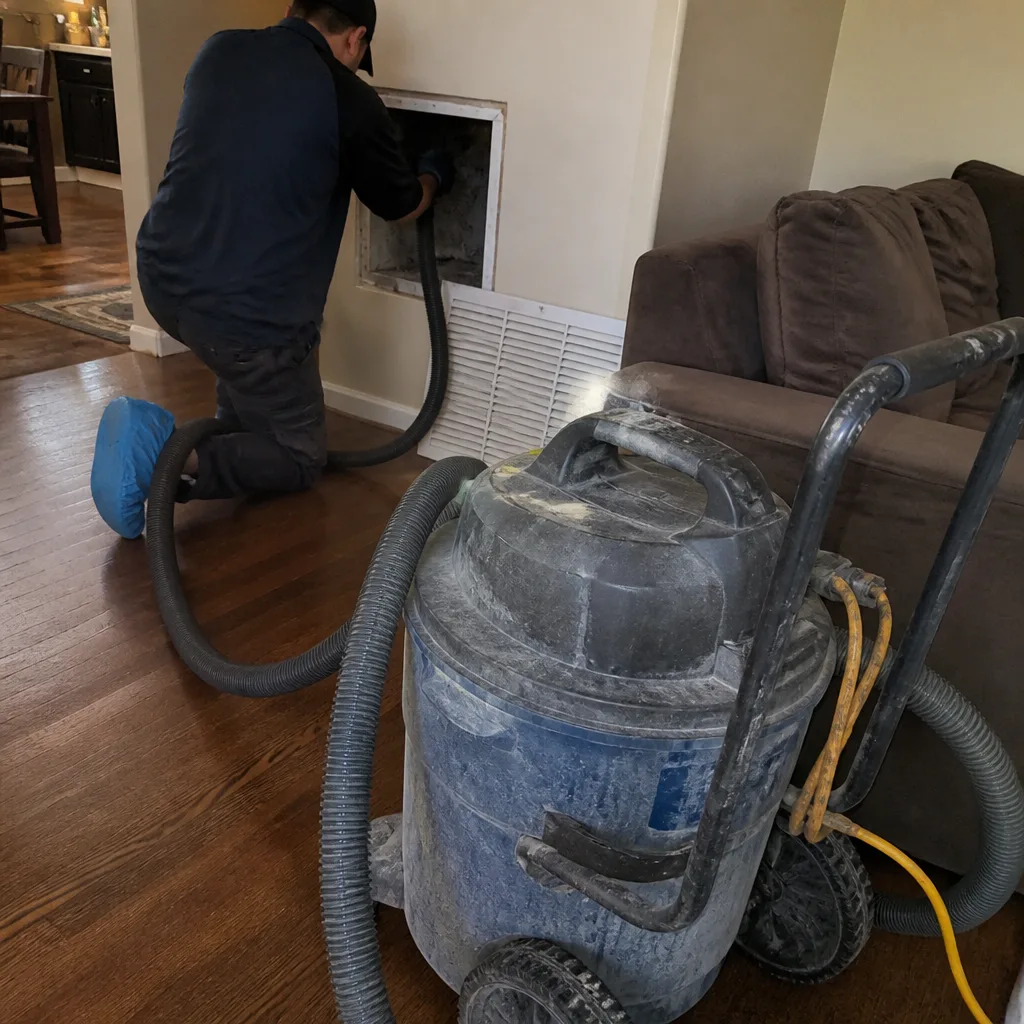
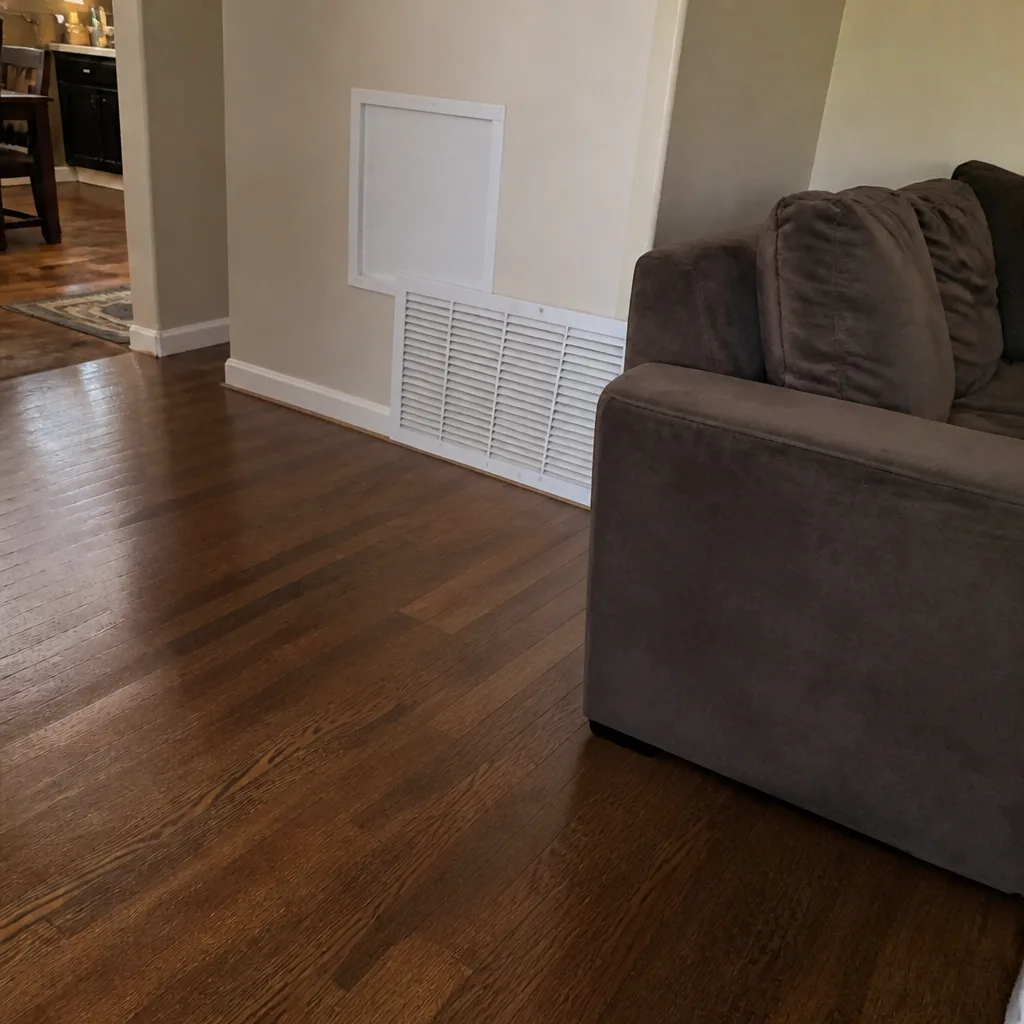
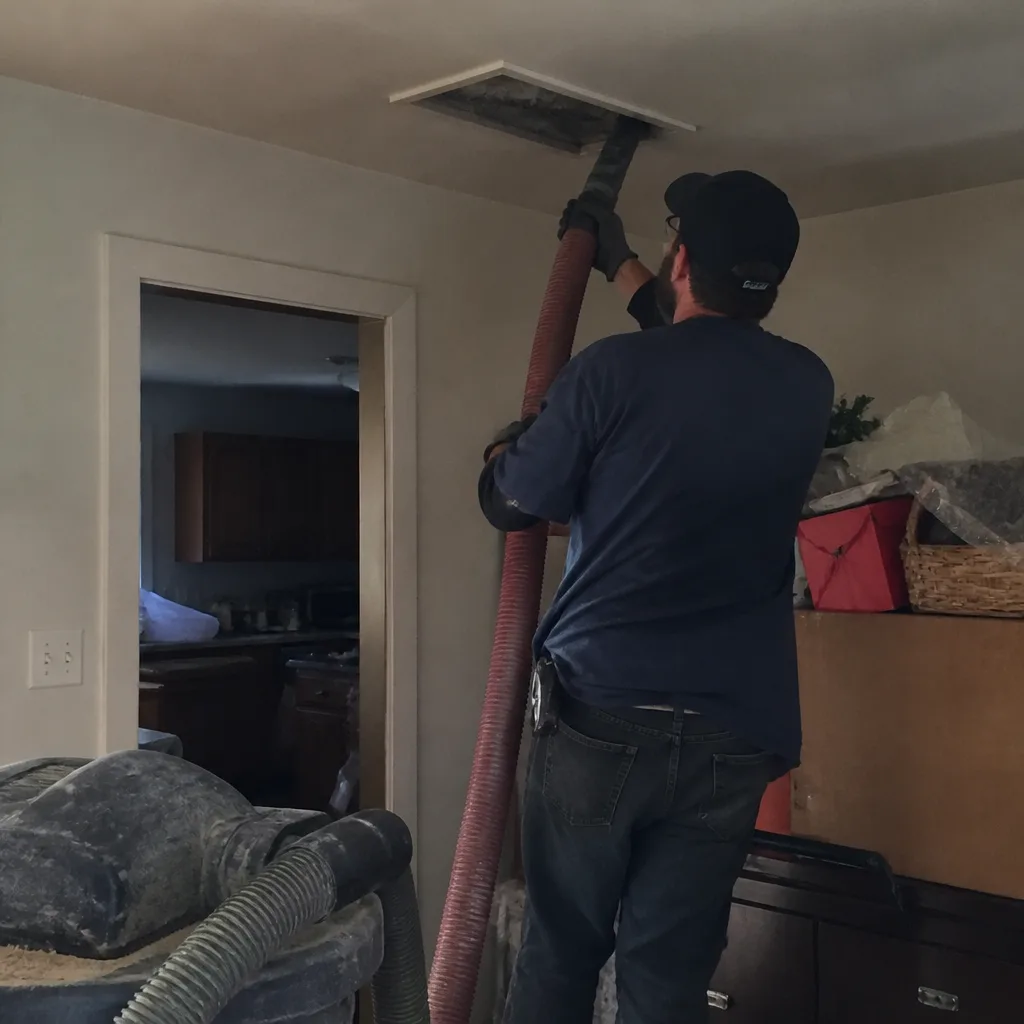
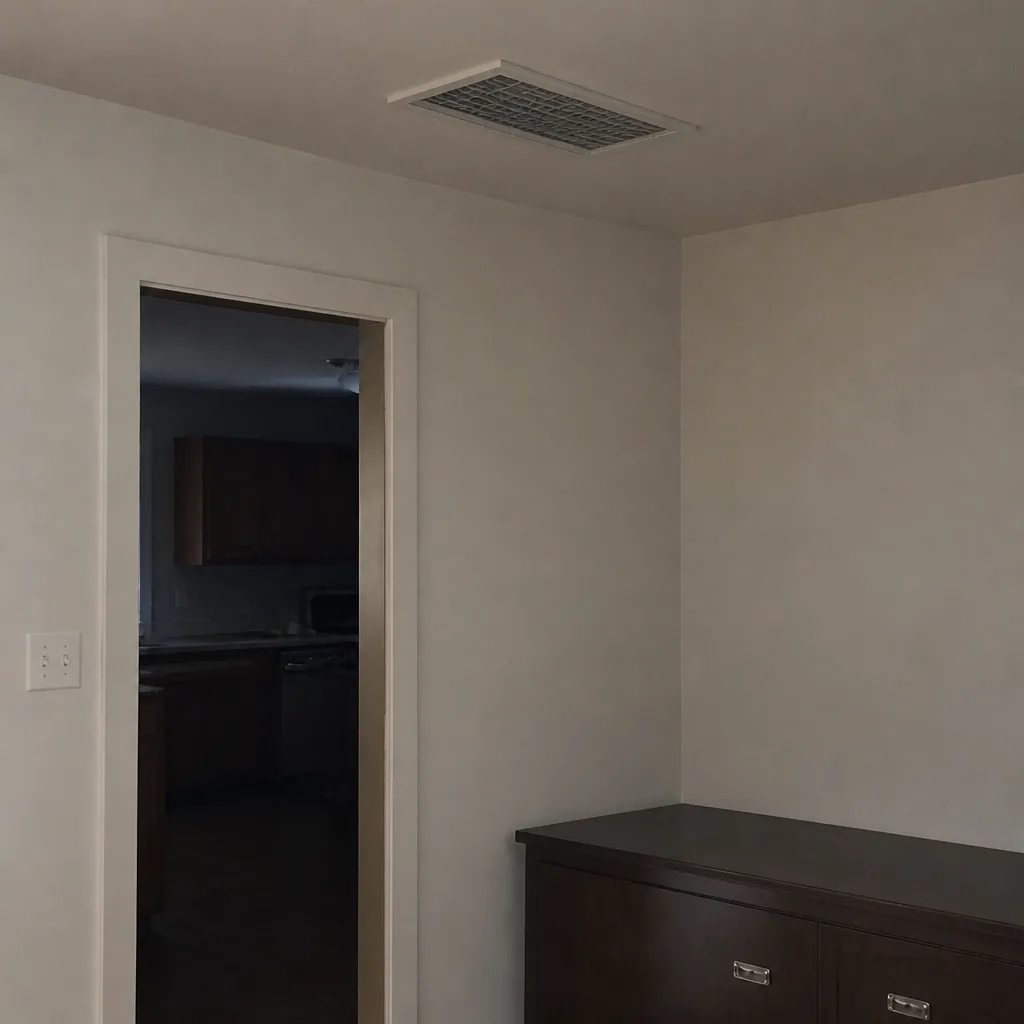
Whole-system duct and dryer vent check with before-and-after photos - you see exactly what came out of your vents
That "$99 whole-house special" is a bait ad - the real number appears once they are in your hallway, or the "clean" is a shop-vac at the register. We photograph the inside of your ducts before and after instead.
Air Duct Cleaning Maintenance Checklist for Holladay Homeowners
Most HVAC manuals still tell you to clean your ducts every three to five years. That interval wasn’t built for Holladay. It predates the wildfire smoke seasons that now push particulate deep into Wasatch Front homes, it doesn’t account for a household with two dogs and a cat, and it was never benchmarked against the inversion layers that settle over the Salt Lake Valley each winter. A calendar rule can’t see any of that. What actually works is a trigger-based schedule – a checklist that tells you when to act based on what your home has been through, not just what year it is. This guide gives you that schedule, from the tasks you can do with a flashlight and a phone camera up to the indicators that mean it’s time to call in professional-grade equipment.
Quick Answer
Holladay homeowners should inspect filters monthly, check accessible registers and grilles quarterly, and schedule a professional duct cleaning when a specific trigger occurs – a bad wildfire smoke season, a renovation, a new pet, water intrusion, or visible dust blowing from supply vents. A whole-home system in Holladay usually needs professional attention every three to five years under normal use, but those triggers can shorten that window considerably. Your smartphone photos at accessible registers are the baseline that tells you whether the system is getting worse.
Styles & brands we work with
- Whole-home duct cleaning
- Dryer vent cleaning
- Camera inspection
- Sanitizing & deodorizing
Table of Contents
- Why the Standard 3-to-5-Year Rule Misses the Mark in Holladay
- The Trigger-Based Checklist: When to Act, Not Just What to Do
- Monthly, Quarterly, and Annual Tasks You Can Do Without Tools
- How to Document Duct Condition With Your Phone Camera
- The Two Holladay Housing Eras and Their Different Failure Points
- Overdue Cleaning vs. a Mechanical Problem: How to Tell the Difference
- Building Your Filter and Register Map
- When Cleaning Isn’t Enough: Sealing and Repair
Why the Standard 3-to-5-Year Rule Misses the Mark in Holladay
The three-to-five-year interval in your furnace manual was written as a general guideline for a generic North American climate. Holladay isn’t generic. The homes here sit against the Wasatch foothills, where summer wildfire smoke from regional fires drifts down and settles, and the valley’s winter inversions trap fine particulate close to the ground for days or weeks at a stretch. Both events load your return-air system with material the manual’s authors never modeled.
Then there’s the housing stock. Holladay’s neighborhoods mix mid-century ranch homes built from the 1950s into the 1970s with two-story builds from the 1990s and 2000s. Those two eras used different duct materials, different sealing practices, and different routing. A 1965 ranch may have original sheet-metal trunk lines with taped joints that have dried and failed. A 2002 two-story might have flexible duct runs in an unconditioned attic that sagged or pinched over two decades. The “every three to five years” number doesn’t distinguish between them.
What does distinguish them is observable evidence. Dust patterns at the registers, filter loading speed, a musty smell when the fan kicks on, visible debris in the supply boot. Our technicians have up to 13 years of experience working on both eras of Holladay housing, and the pattern is consistent: homes that get inspected on a trigger-based schedule stay cleaner and cost less to maintain than homes cleaned on a blind calendar. The checklist below is built around that idea.
The Trigger-Based Checklist: When to Act, Not Just What to Do
Run through this list whenever one of these events happens in your Holladay home. Each trigger is a reason to inspect, and some are a reason to book a cleaning outright. This is the section most homeowners find most useful, because it converts a vague “I should probably get my ducts cleaned sometime” into a concrete decision.
- After a significant wildfire smoke season. If summer smoke blanketed the valley for multiple weeks and your windows were open at any point, inspect the return-air filter and the register closest to your return. Heavy gray loading on the filter within a month of replacement means particulate is moving through the system. Consider a professional cleaning and a sanitizing treatment if odors linger.
- After any renovation that generated dust. Drywall sanding, floor refinishing, kitchen remodels, and basement finishing all push fine particulate into return ducts, even with plastic sheeting up. Inspect every accessible register and the furnace filter housing for a film of construction dust. Book a cleaning before the next heating season.
- When you bring home a new pet. Pet dander and hair load return ducts quickly, especially in homes with carpet. Add a filter check to your monthly routine and expect to shorten the professional cleaning interval by a year or more if you have a heavy-shedding breed.
- After any water intrusion. A roof leak, a supply-line drip, a flooded basement, or a slow condensate drain issue can wet duct insulation or the interior of a flexible run. Damp ductwork is where biological growth starts. This one is not a DIY inspection – call for a professional look and an air quality assessment.
- When you move into a resale home in Holladay. You have no idea what the previous owner did. A baseline cleaning and inspection in the first few months gives you a known starting point for everything that follows.
- When anyone in the household reports new respiratory irritation. Persistent coughing, sneezing, or itchy eyes that clear when they leave the house are worth investigating. A duct inspection is one part of that picture, not a diagnosis – but it’s a reasonable place to start.
- When your dryer takes longer than it used to. That’s a dryer vent cleaning trigger, not a duct trigger, and it’s a safety issue. Lint buildup in the vent line is a fire hazard, and it doesn’t fix itself.
Monthly, Quarterly, and Annual Tasks You Can Do Without Tools
These are the homeowner-side tasks. None of them require a screwdriver, a ladder, or a trip to the hardware store. They take a few minutes each and give you the information that makes professional service decisions much easier.
Monthly
- Hold your furnace filter up to a light. If you can’t see through it, replace it. In Holladay, filter life changes with the season – winter inversion weeks and summer smoke weeks load it faster than mild spring and fall.
- Check the return-air grille for a visible layer of dust or hair. Vacuum the grille face if it’s loaded.
- Look at the supply registers in each room. Dust streaks radiating from the louvers mean air is pushing dust out of the duct, not just out of the room.
Quarterly
- Remove one supply register cover (most lift straight up or slide out) and shine a flashlight into the boot. You’re looking for settled debris, hair, or a visible dust coating on the duct wall.
- Snap a photo of what you see and file it on your phone. More on this in the next section.
- Check the exterior dryer vent flap. It should open freely when the dryer runs and close when it stops.
- Walk the basement or crawlspace and look for disconnected flex duct, crushed runs, or tape that’s peeled away from joints.
Annually
- Open the air handler cabinet (power off first) and look at the evaporator coil. A coil matted with dust is a sign that filtration has been inadequate and ductwork may be loaded too.
- Confirm every register in the home is accounted for on your filter and register map – see the section below.
- Schedule a professional inspection if it’s been three or more years since the last cleaning, or if any trigger from the previous section has occurred.
How to Document Duct Condition With Your Phone Camera
The single most useful thing a Holladay homeowner can do for their duct system costs nothing: build a photo baseline. Cleaners and inspectors can talk about “how bad” the ducts look, but without a comparison, neither of you knows whether the system is stable or getting worse. Your phone fixes that.
- Pick three or four accessible registers – the one closest to the air handler, one in the room you use most, and one at the far end of the system. Write down which rooms.
- Turn the system off so you’re not photographing moving dust or getting air blown in your face.
- Remove the register cover and shine a flashlight straight into the duct boot. Hold the phone steady, use the flashlight, and take one clear shot per register.
- Label and date the photos in your phone’s album (e.g., “Duct baseline – Feb 2026”). Note the filter brand and the date you installed it.
- Repeat every six months using the same angles and lighting. Compare side by side.
When you do call for professional service, those photos let you point to a specific change. They also protect you from the most common industry failure: a company that charges for a cleaning and does a rushed job. Our approach is that you see the before-and-after photos of your own ducts, taken during the service – not a stock photo in a brochure. If a technician is worth hiring, they can show you the inside of your duct before and after. Documenting on your end makes that comparison honest.
The Two Holladay Housing Eras and Their Different Failure Points
Holladay’s housing stock splits roughly into two groups, and each has its own checklist emphasis. Knowing which one you live in tightens your inspection routine.
1950s-1970s Ranch Homes
These homes typically have original sheet-metal trunk-and-branch ductwork, often in a slab or crawlspace, with taped or mastic-sealed joints. The failure points to watch:
- Failed tape and dried mastic at joints. Decades of heating and cooling cycles dry out the original tape. When it peels, ducted air leaks into the crawlspace or wall cavity, and unfiltered air gets sucked back into return paths.
- Under-sized or retrofitted returns. Many ranches originally had a single central return that later additions overloaded.
- Asbestos-era duct wrap. Some homes of this era have exterior duct insulation that should be tested before removal. If you see deteriorated wrap, don’t disturb it – get a professional inspection.
- Crawlspace moisture. Ranch homes with ducts running through a crawlspace can pick up ground moisture through unsealed penetrations, which loads the ducts with biological material.
1990s-2000s Two-Story Builds
These homes usually have flexible duct runs in an unconditioned attic, plus a second trunk for the upstairs zone. The failure points shift:
- Sagging and pinched flex duct. Flexible duct hung loosely loses airflow at kinks and sags. That reduces efficiency and pushes dust to settle in specific runs rather than flowing through.
- Attic heat cycling. Attic runs see extreme temperature swings – hot summers and cold winters – which stresses the outer vapor barrier and eventually the inner liner.
- Multi-zone balancing. Two-story homes often have strong airflow to the first floor and weak airflow to the second. A cleaning and sealing visit is a good chance to check balancing dampers.
- Chases and panned returns. Some builders used wall cavities or panned floor joists as return paths. These are notoriously hard to clean without professional equipment and often have visible dust staining at the source.
Either era benefits from the same professional-grade tooling. Our work uses air duct cleaning equipment from Rotobrush and Nikro – rotary-brush systems paired with HEPA vacuum units, the standard on commercial jobs – so debris is agitated and captured, not just blown around. We also carry Abatement Technologies air-filtration equipment when a job calls for remediation-level capture.
Overdue Cleaning vs. a Mechanical Problem: How to Tell the Difference
Not everything that looks like “dirty ducts” is dirty ducts. Some signs point to a mechanical or structural issue that a cleaning pass won’t fix, and treating it like routine maintenance just delays a real repair. Here’s how to read the difference from what you can see at the register and smell in the room.
- Overdue for cleaning: Dust streaks at every supply register, filter loading fast, a visible layer of settled debris in the boot when you look with a flashlight, and no change in HVAC performance. This is a maintenance job.
- Mechanical problem – disconnected or crushed duct: One or two rooms get almost no airflow while the rest are fine, or you can see a collapsed flex run in the attic or crawlspace. Call for HVAC cleaning and a duct inspection – the cleaning alone won’t restore the airflow if a run is pinched.
- Mechanical problem – mold or biological growth: A persistent musty or damp-earth smell when the fan runs, visible dark staining or fuzz at a register, or any duct with active moisture. This needs professional diagnosis, and possibly sanitizing with a product line like Guardsman-grade treatments, not a standard brush-and-vacuum pass.
- Mechanical problem – failed sealing: You feel air blowing out of a joint in the attic, or you can hear whistling at a wall cavity. Leaky ducts pull unfiltered attic or crawlspace air into the living space. That’s a sealing and repair job.
- Mechanical problem – undersized or blocked return: The system whines at the return grille, or rooms near the return are comfortable while distant rooms aren’t. Talk to an HVAC technician about return sizing alongside any duct work.
When we inspect a Holladay home, we look for all of these in the same visit. If a leak or a disconnected joint turns up during cleaning, we can repair and seal it in the same trip rather than handing you off to find a second contractor.
Building Your Filter and Register Map
A one-page map of your system saves you real time and money, because it prevents the two most common maintenance errors: forgetting a return, and buying the wrong filter size. Build it once and update it as things change.
- Walk every room and write down the location of each supply register and return grille. Count them.
- Note the size of each return filter (printed on the filter frame) and note which return serves which zone.
- Mark the location of the air handler and any balancing dampers you can see.
- Note the duct material in each area – sheet metal, flex, or panned joist – so you know what you’re looking at later.
- If your home has an older system, note any visible insulation wrap so you know not to disturb it.
Keep the map taped inside the air handler cabinet door or in a kitchen drawer. When a contractor visits, hand it to them. When you photograph registers, label them by the map. It’s a small investment, and it makes every future service visit faster and more accurate.
When Cleaning Isn’t Enough: Sealing and Repair
Cleaning removes what’s in the ducts. It does not stop new material from getting in. If your ducts are leaking at the joints, unfiltered air from the attic, crawlspace, or wall cavities enters the living space every time the blower runs – which defeats the cleaning. In Holladay homes, especially the older ranch builds, leaky ducts are the rule more than the exception.
Our full service menu treats cleaning and repair as one job when they belong together. Duct Repair & Sealing puts the system back to a closed envelope; Air Quality & Sanitizing addresses biological growth and odors when they’re present. We work with Aprilaire and Honeywell indoor-air-quality products when a home needs filtration or humidity control beyond what a basic filter can offer, so the fix goes further than a single visit. That doesn’t mean any given home needs all of this. It means we can look at the whole pathway – ducts, HVAC unit, dryer vent, and air quality – and tell you honestly what’s worth doing.
We always recommend one thing up front: get a written estimate before work starts, and ask what’s included. That’s the promise we hold to. One flat price per system agreed before work begins, no per-vent pricing, and before-and-after photos of your own ducts so you know what was done and what wasn’t. If you want the manufacturer warranty to stay intact, Aprilaire and Honeywell both specify their products be installed by a qualified technician, and the local professional we connect you with is licensed and insured as their state requires.
Common Mistakes to Avoid
- Treating the “3-to-5-year rule” as gospel. It’s a baseline, not a schedule. In Holladay, wildfire smoke seasons, winter inversions, and pet dander speed up the clock. Measure against triggers, not the calendar alone.
- Chasing a low coupon price. A per-vent teaser price is the setup for a bait-and-switch quote once the technician arrives. Ask for a flat, whole-system estimate in writing before anyone touches a register.
- Ignoring the dryer vent because it “still works.” A slow dryer is a symptom, not a job well done. Dryer vent lint is combustible, and it accumulates silently.
- Assuming the crew did the work because you saw the truck pull up. Ask for before-and-after photos of your own ducts. If a company won’t provide them, that’s the answer.
- Disturbing old duct wrap in a 1960s-era home. Some ranch homes in Holladay have insulation materials from the asbestos era. If wrap is deteriorating, call a professional rather than sweeping it up yourself.
- Cleaning without fixing leaks. If the ducts leak, unfiltered air keeps entering. Get sealing inspected at the same time as the cleaning so you don’t re-clean the same system twice.
- Skipping the photo baseline. Without one, you have no way to know whether the ducts are getting worse or holding steady, and no way to judge whether the last cleaning actually worked.
See the difference
 Before
 After
 Before
 After
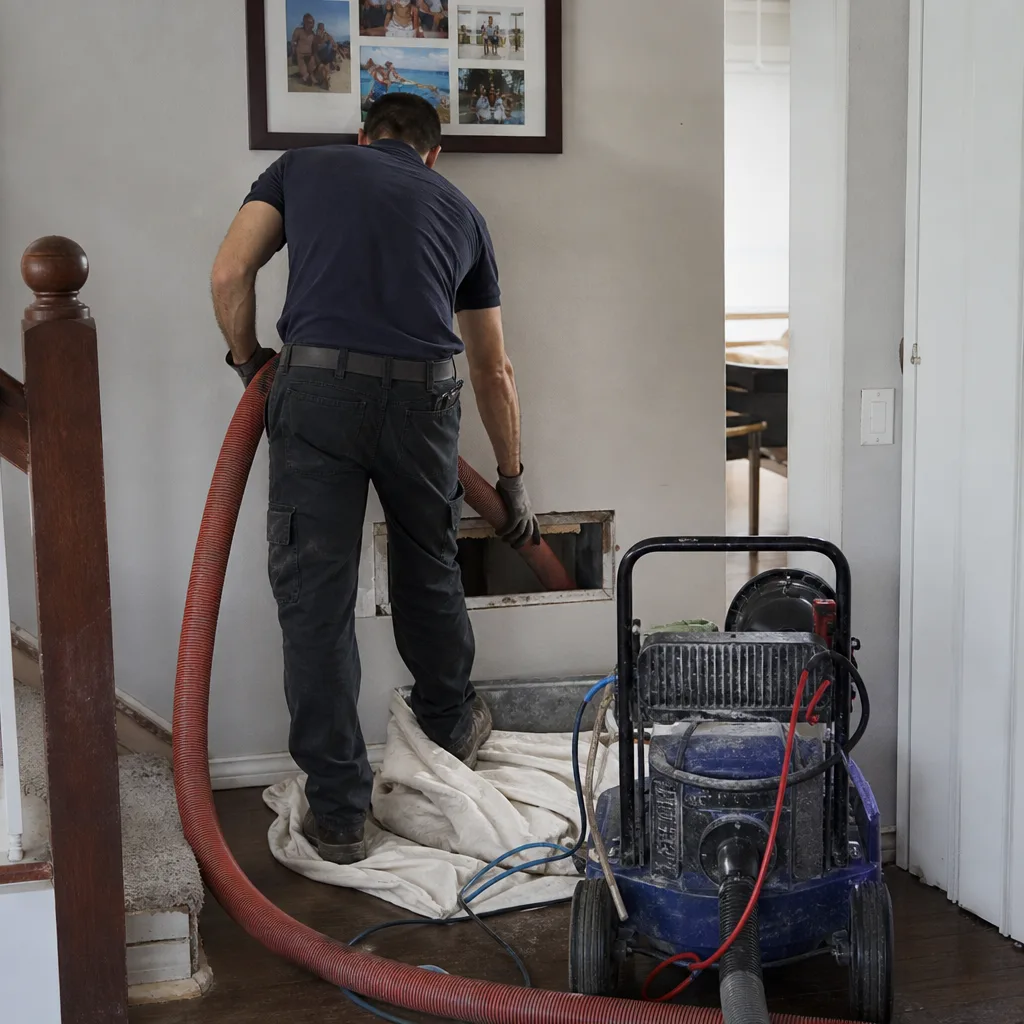 Before
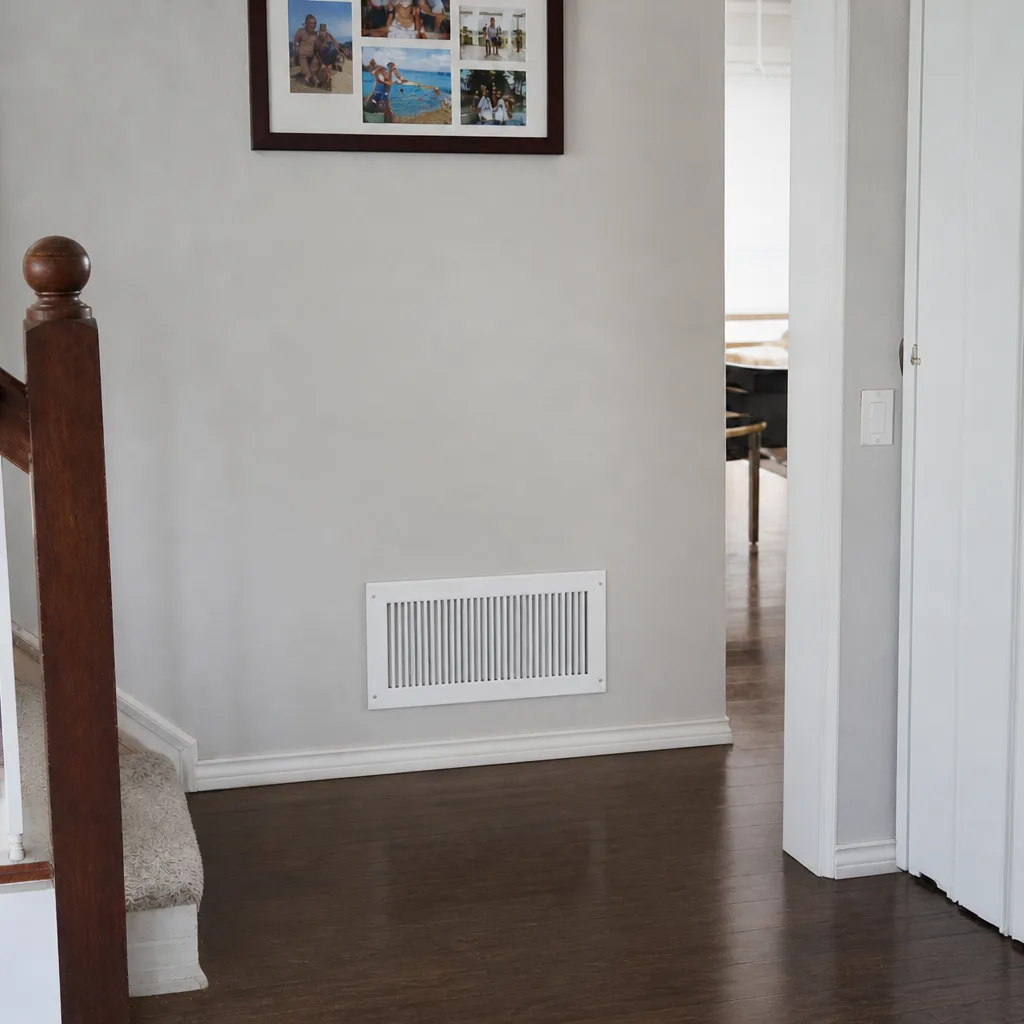 After
When to Call a Professional
Call for a professional inspection when you see or smell any of the following: visible debris or dark staining in the ducts at a register, a persistent musty smell when the HVAC fan runs, dust streaks at every supply grille, dramatically faster filter loading than usual, one or two rooms with weak airflow, water intrusion touching any duct, or duct wrap and joints that look deteriorated. Call immediately if the dryer takes much longer than it used to, or if you notice a hot smell near the dryer. Any of these warrant a trained look before the next heating or cooling season. Holladay Air Duct Cleaning offers free estimates in Holladay – call (844) 569-6978. We answer 24/7, and we offer fast dispatch from 7am to 7pm, Sunday through Friday.
Frequently Asked Questions
Most whole-home air duct cleanings in Holladay run in the mid-hundreds of dollars and can run higher if the system has multiple zones, heavy contamination, or a dryer vent added to the same visit. The number that matters is the flat, written, per-system estimate you get before work starts. Call (844) 569-6978 for an exact quote – estimates are free.
Low quotes usually come from per-vent pricing models that add up fast once the technician is inside your home, or from methods that agitate dust without a proper HEPA capture system. Ask what equipment will be used, ask for a stated whole-system price in writing, and ask for before-and-after photos. If a company won’t provide all three, the quote isn’t comparable to a professional job. Call (844) 569-6978 for a quote that holds.
Ask for before-and-after photos of your own ducts, taken during service – not from a brochure. Then compare them against the photos you took yourself at your accessible registers (see the photo baseline section above). If the inside of the duct at a register doesn’t look different, ask why. Call (844) 569-6978 with questions about what a proper cleaning includes.
Every three to five years under normal conditions is a reasonable starting point, but in Holladay that window shortens after a heavy wildfire smoke season, a renovation, or when pets or water intrusion are in the picture. Use the trigger checklist to decide when to act rather than picking a calendar year and ignoring the house. If you’re unsure, call (844) 569-6978 for a free estimate.
Reducing the settled dust, dander, and particulate in your ducts can lower the amount of material that recirculates through your home’s air. It’s one useful part of an indoor air quality plan – not a treatment or a cure – and pairing it with a proper filter schedule and, where needed, a Honeywell or Aprilaire filtration upgrade can make a bigger difference than cleaning alone. Call (844) 569-6978 to talk through options for your Holladay home.
Cleaning removes debris from inside the ducts. Sealing closes the leaks at joints, boots, and connections so unfiltered attic, crawlspace, or wall-cavity air stops entering the system. Holladay ranch homes from the 1950s through the 1970s often need both together, and doing them in one visit avoids paying twice. Call (844) 569-6978 for a combined assessment.
The Bottom Line
Holladay Air Duct Cleaning treats maintenance as a schedule tied to your home, not a date on a calendar. Filter checks monthly, register and joint inspections quarterly, and a professional cleaning whenever a real trigger occurs – wildfire smoke, a renovation, a new pet, or water intrusion – keep the system in better shape than the standard three-to-five-year rule. Build a photo baseline at your accessible registers. Know which housing era you’re in. Watch for mechanical problems that no cleaning pass will fix. Then, when it’s time, insist on professional-grade equipment, one flat price per system, and before-and-after photos of your own ducts. Our technicians have up to 13 years of experience, and we’re ready to walk your system with you.
Call (844) 569-6978 for a free estimate. We answer 24/7. Fast dispatch, 7am-7pm, Sunday through Friday.
Written by the team at Holladay Air Duct Cleaning.