
Last updated November 24, 2026
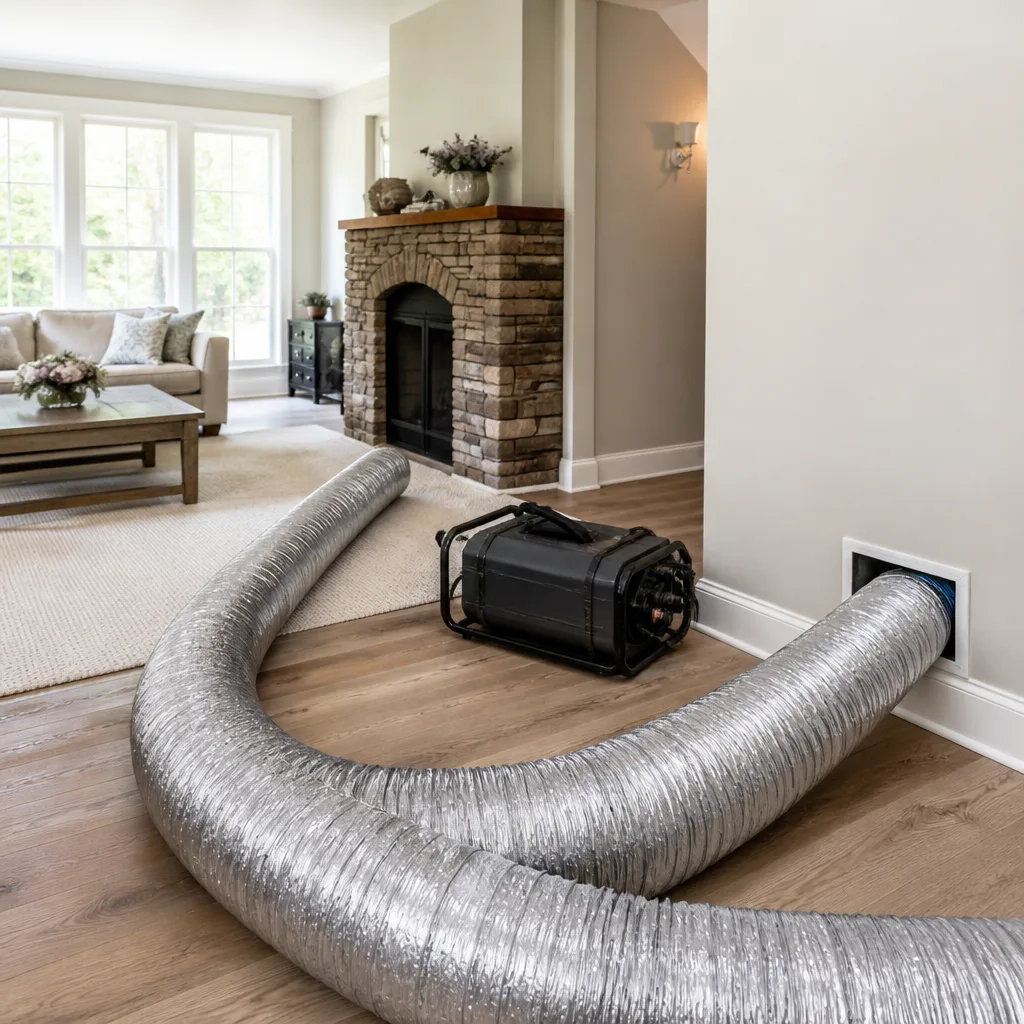 Whole-home duct cleaning
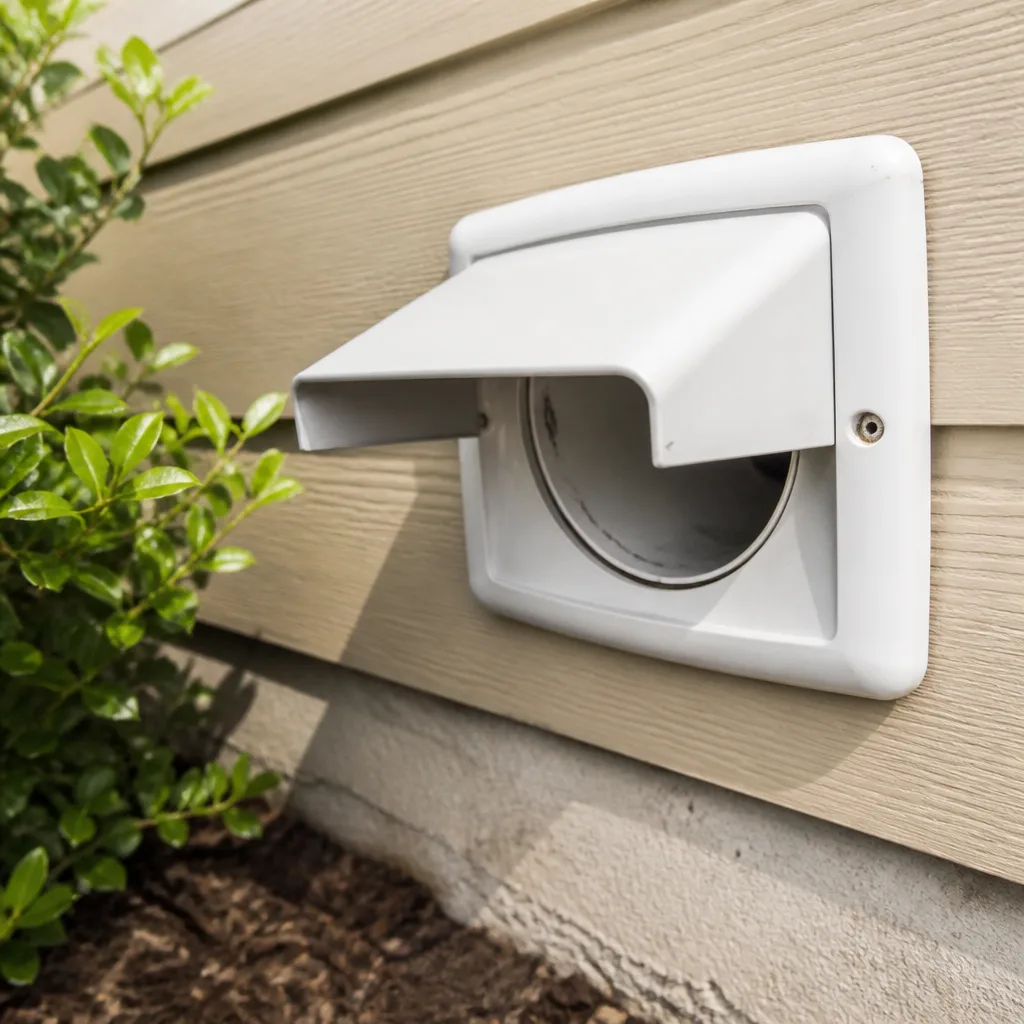 Dryer vent cleaning
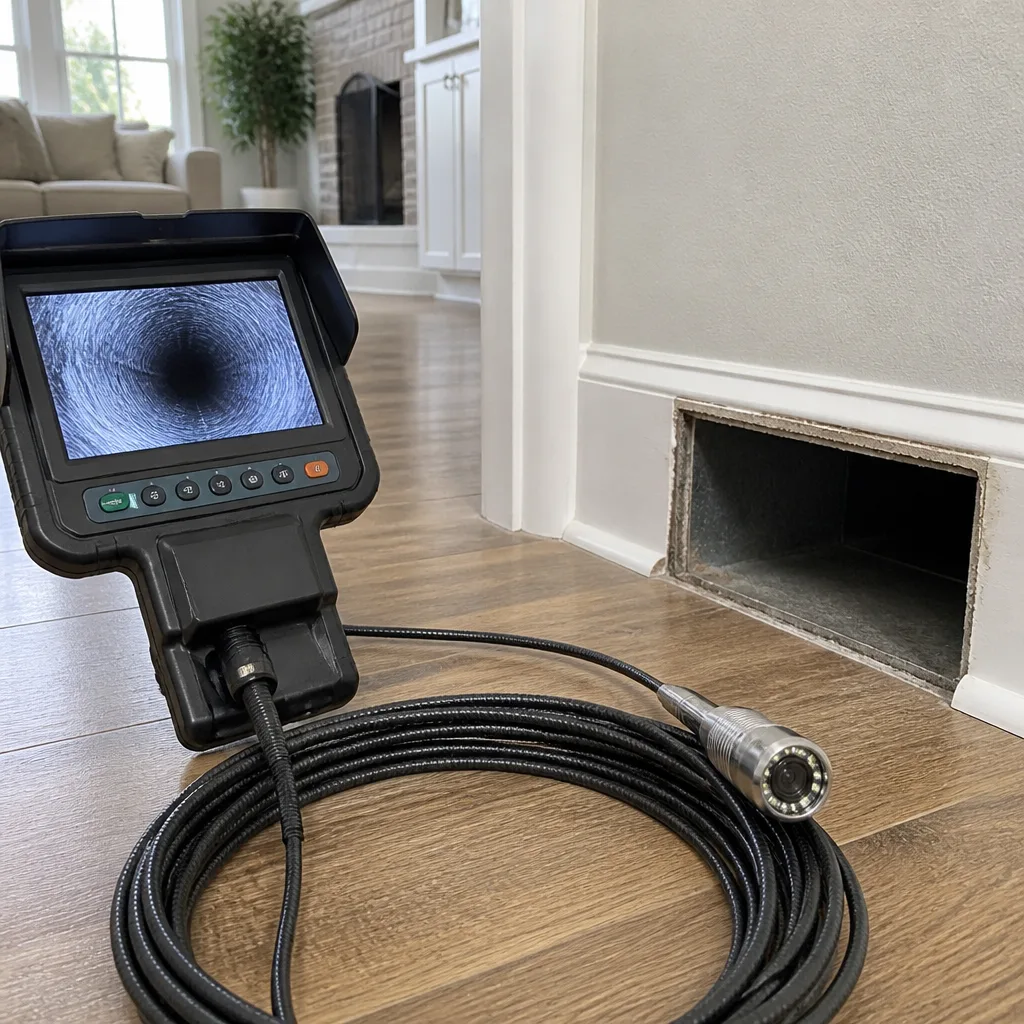 Camera inspection
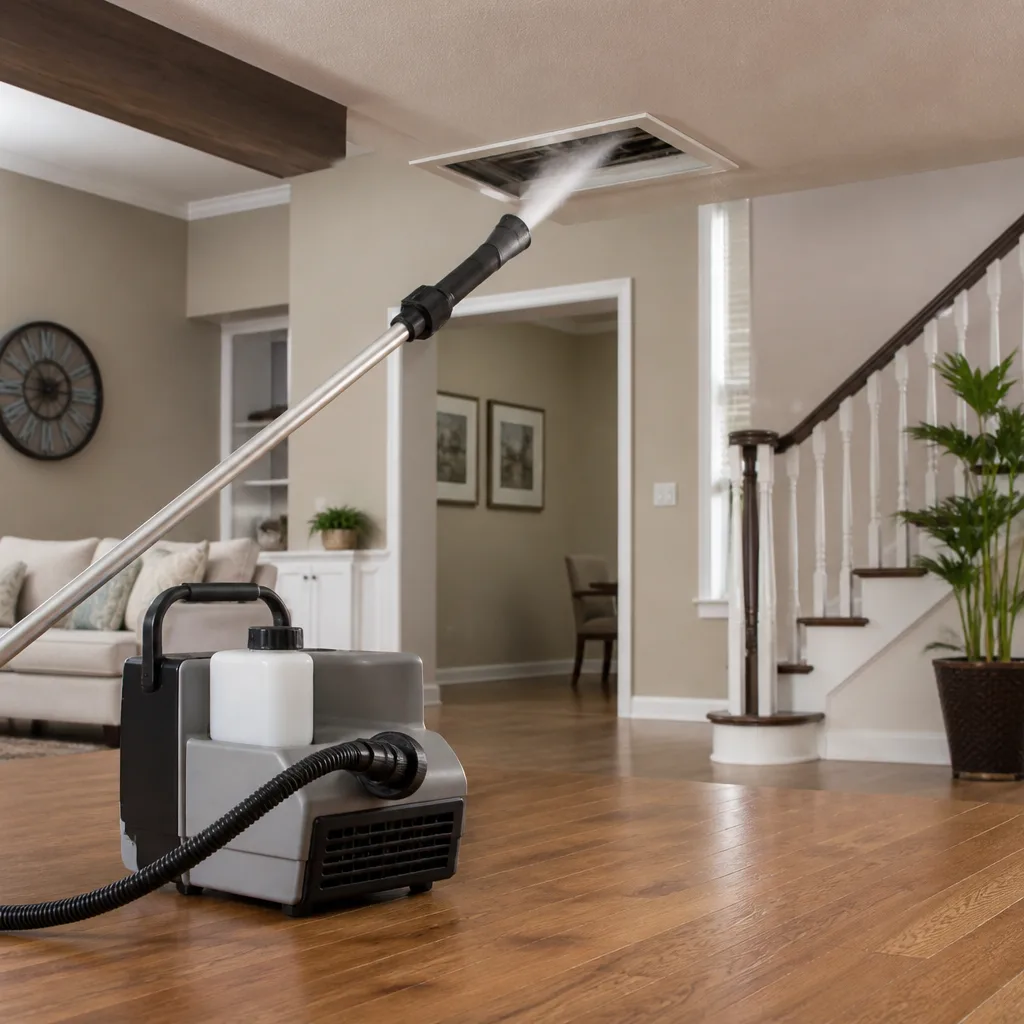 Sanitizing & deodorizing
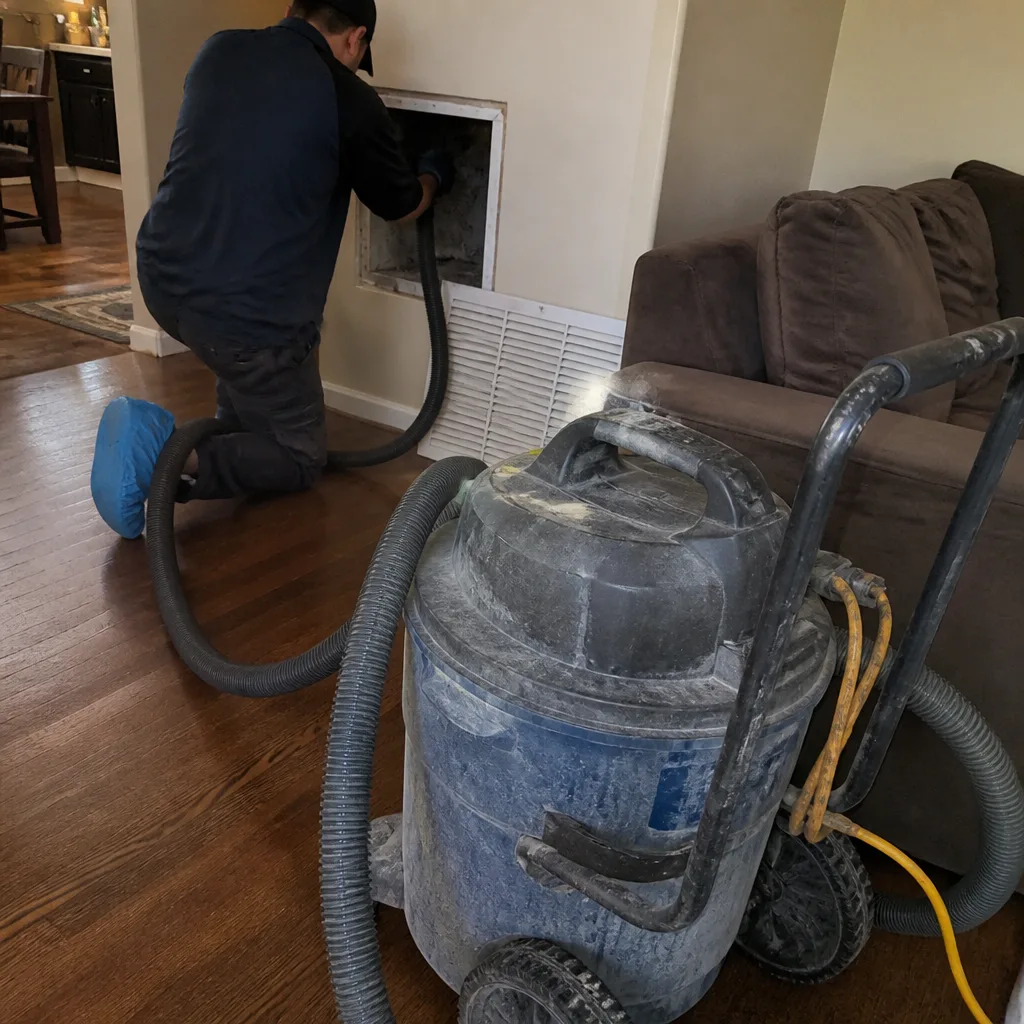
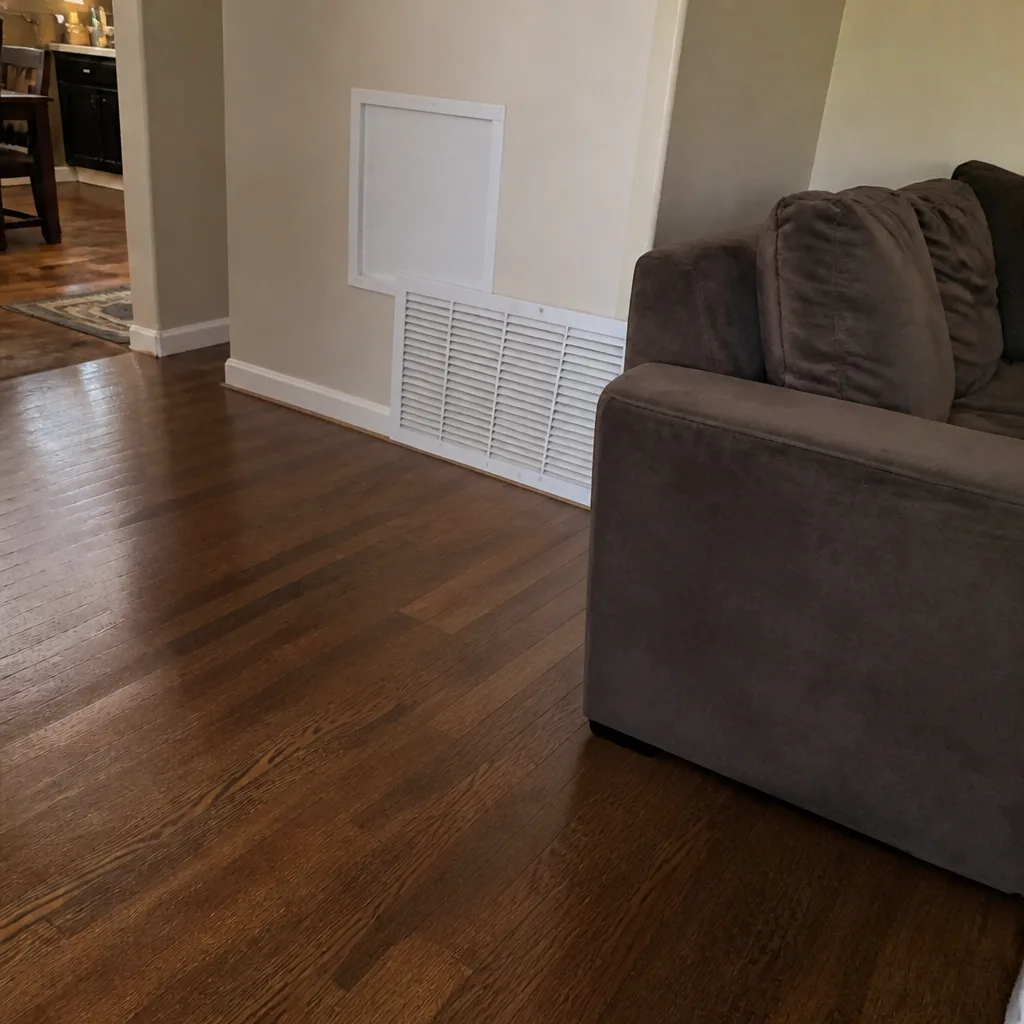
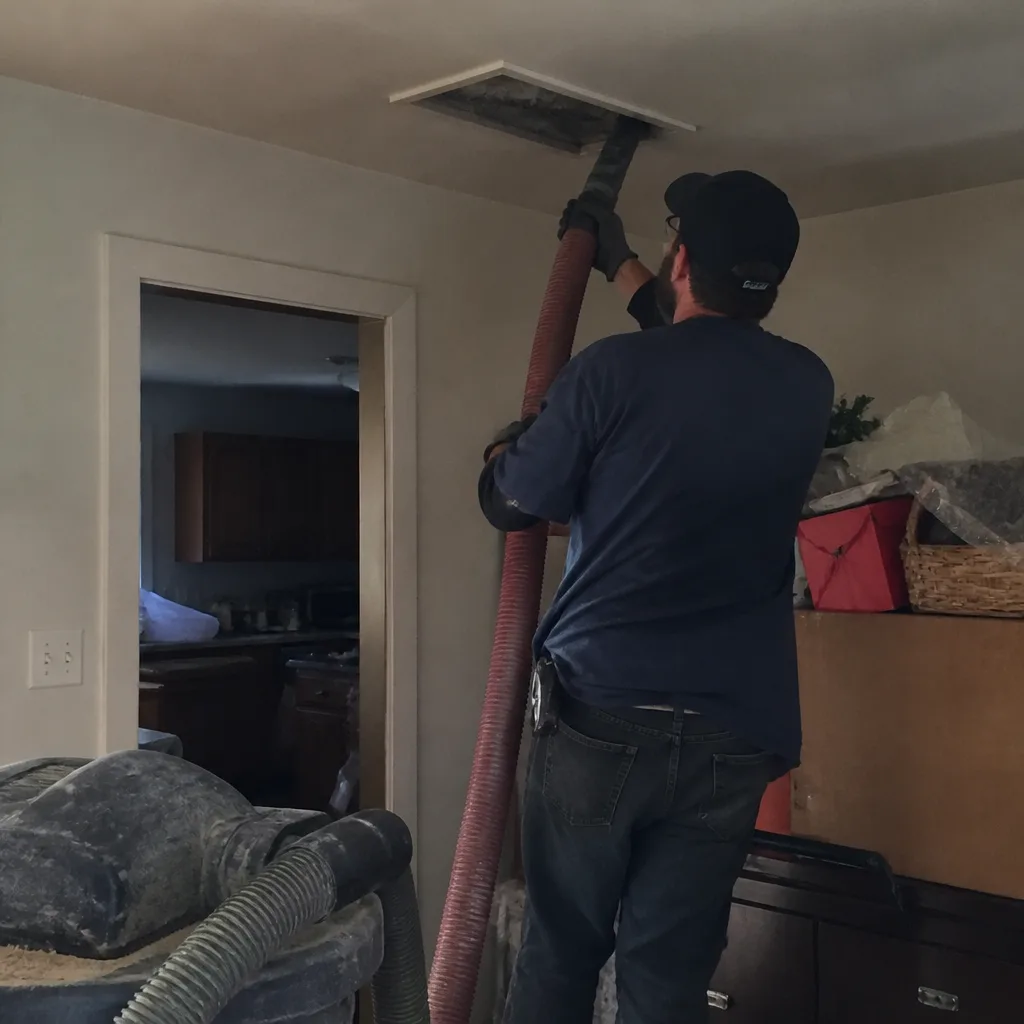
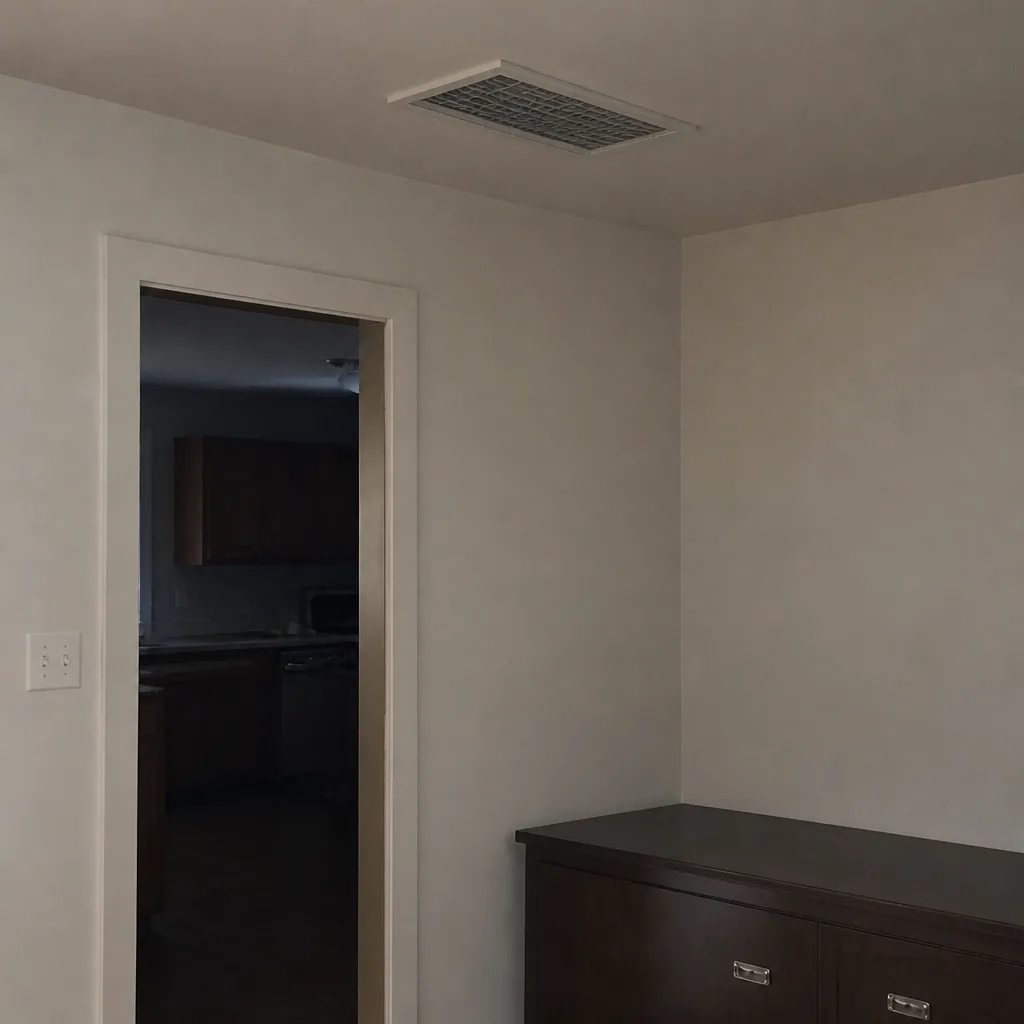
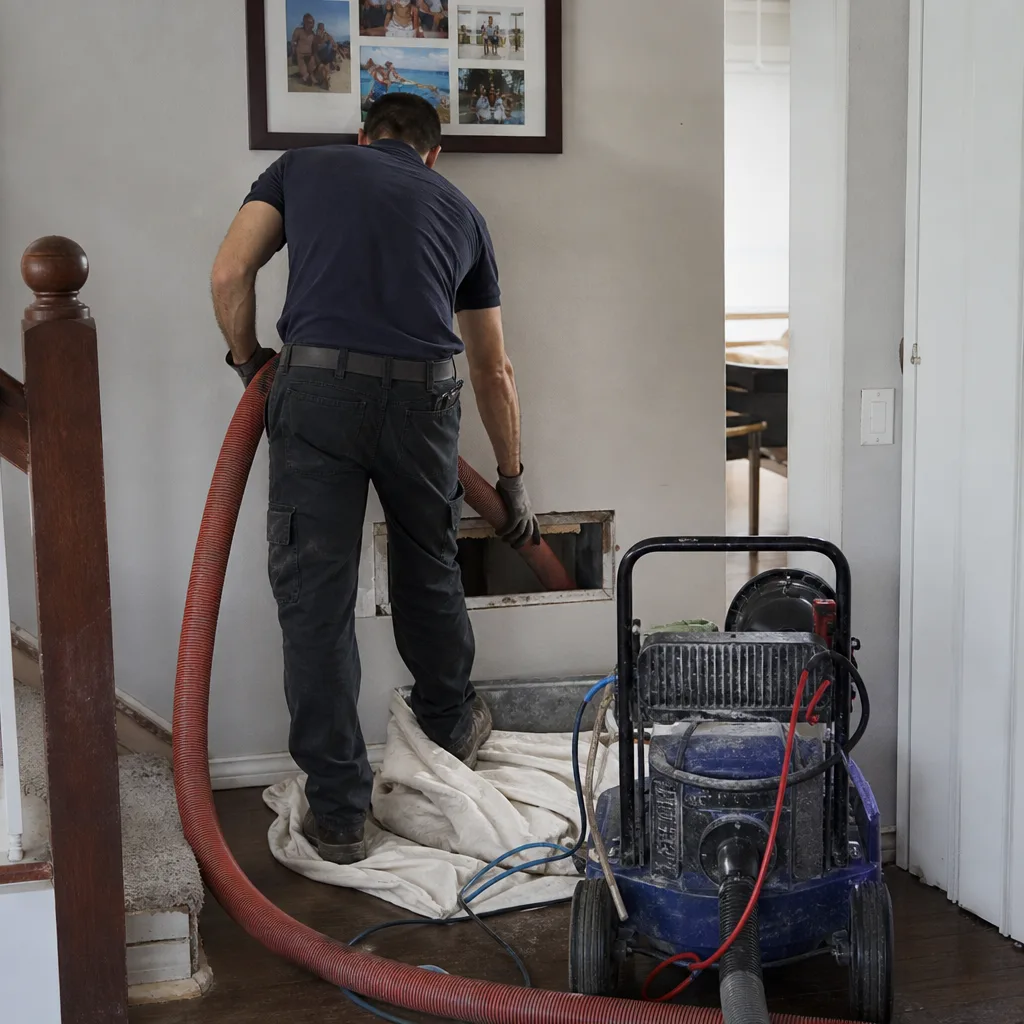
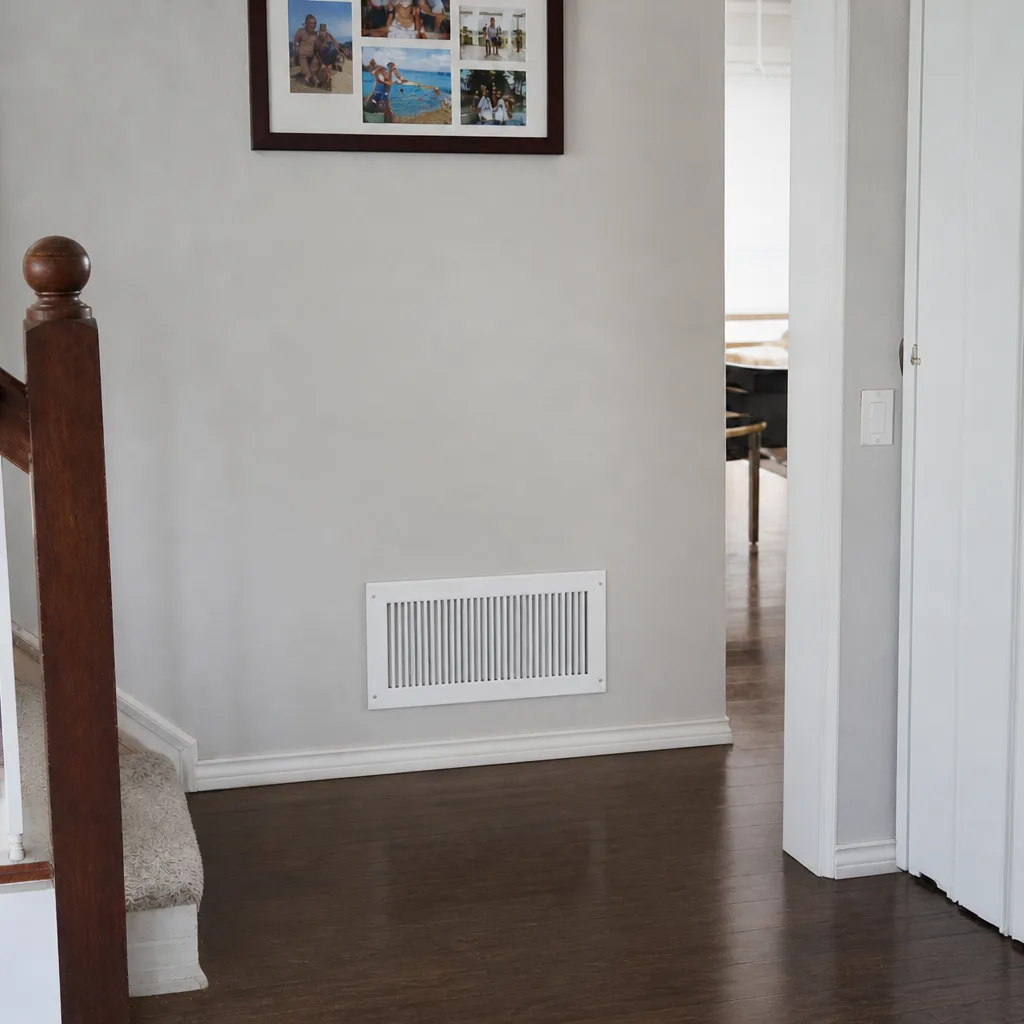
Whole-system duct and dryer vent check with before-and-after photos - you see exactly what came out of your vents
That "$99 whole-house special" is a bait ad - the real number appears once they are in your hallway, or the "clean" is a shop-vac at the register. We photograph the inside of your ducts before and after instead.
Air Duct Cleaning Troubleshooting in Holladay: Common Problems and How to Fix Them
If your vents are still blowing weak air a week after a cleaning, the ducts probably weren’t the problem to begin with. That’s the uncomfortable truth most duct cleaning companies won’t tell you: a large share of the complaints homeowners bring to us, from weak airflow to new dust to a smell that won’t quit, trace back to a mechanical failure, not to the cleanliness of the ductwork. Cleaning a system with a collapsed flex run or a breached return duct doesn’t fix the symptom; it just hides it for a while. In this guide we walk through the actual symptom-to-cause framework we use in Holladay, from high-altitude dry air that works on duct joints to the return-side leak that fills your house with attic dust, so you can stop guessing and start diagnosing.
Quick Answer
Most “dirty duct” symptoms in Holladay turn out to be one of five things: a disconnected or collapsed flex duct, a blower motor or filter restriction, a breached return-side duct pulling crawl-space air, failed duct liner causing a musty smell, or separated joints that need sealing, not re-cleaning. A proper diagnostic starts by matching the symptom to the cause before any cleaning equipment is brought in. If the symptom persists after a cleaning, the cleaning wasn’t the fix, and the real issue needs to be found and repaired.
Styles & brands we work with
- Whole-home duct cleaning
- Dryer vent cleaning
- Camera inspection
- Sanitizing & deodorizing
Table of Contents
- The Symptom-to-Cause Matrix: What Your System Is Telling You
- Weak Airflow: Dirty Ducts, Collapsed Flex, or Blower Motor?
- Musty Smell After Cleaning: Liner Problem or Cleaning Failure?
- Increased Dust After Cleaning: The Return-Side Breach
- When the Fix Is Sealing, Not Re-Cleaning
- Holladay’s Climate and Duct Joint Separation
- What You Can Check Yourself and What Needs a Technician
- Keeping the System Healthy Between Cleanings
The Symptom-to-Cause Matrix: What Your System Is Telling You
Before anyone touches a vacuum, a good technician listens. The symptom you describe is the most useful piece of diagnostic information you can give, because each symptom narrows the field of probable causes. We’ve built the framework below after running diagnostics on thousands of systems in the valley, and it holds up whether you’re in a 1950s ranch home near Olympus Cove or a newer build out toward the east bench.
Here’s how the main symptoms line up with likely causes:
| Symptom | Most Likely Cause | What Actually Fixes It |
|---|---|---|
| Weak airflow at multiple vents | Clogged filter, blower issue, or crushed flex duct | Filter change, blower service, or duct repair |
| Weak airflow at one vent only | Disconnected, kinked, or collapsed branch duct | Reconnect or replace that run |
| Musty smell after cleaning | Wet or failing duct liner, microbial growth | Liner repair, sanitizing, moisture source fix |
| More dust after cleaning | Breached return duct drawing attic or crawl-space air | Seal or replace the return run |
| Whistling or rattling at vents | Undersized returns or loose joints | Sealing, balancing, sometimes duct resizing |
| Uneven room temperatures | Leaky supply joints losing air to unconditioned space | Duct sealing and balancing |
Notice how few of these are actually solved by cleaning. Cleaning is a maintenance step and a hygiene measure; it’s not a repair. When a Holladay homeowner calls us because a cleaning “didn’t work,” the matrix above is where we start, not with another vacuum pass. If you’re not sure which row you fall into, the notes in each section below walk through how to tell.
Weak Airflow: Dirty Ducts, Collapsed Flex, or Blower Motor?
Weak airflow is the single most overdiagnosed problem in this trade. Homeowners assume dirty ducts; technicians who only clean ducts agree with them; the cleaning happens; the airflow is barely different. That’s because weak airflow at multiple vents is almost never a dust problem alone. It’s usually one of three mechanical issues wearing a dust disguise.
Blower motor or filter restriction. A clogged filter starves the whole system of air, and a failing blower motor can’t push what it should. Both are cheap to test and cheap to fix relative to duct repair. If every vent feels weak, check the filter first, then have the blower inspected. This is the first thing our technicians look at on any weak-airflow call.
Collapsed flex duct. Flexible ductwork, common in attic runs, can sag, kink, or crush under its own weight or against framing. A crushed flex run is like a garden hose stepped on: the air is still trying to move, the path just got pinched. This shows up as weak airflow at one or two vents, not all of them, which is the tell.
Genuinely dirty ducts. Dirty ducts do restrict airflow, but usually only when the buildup has been building for years, often after a renovation dumped construction dust into the return side. If your return register is coated and you can see dust matting on the fins of the grille, this is worth addressing. But get the diagnostic right before ordering the cleaning.
Here’s the check the airflow problem in order:
- Replace the filter and note the date. Run the system for a full cycle.
- Check airflow at every vent, not just the nearest one. Is it all vents or some?
- If one or two vents are weak, suspect the branch duct serving them (collapsed flex, disconnected joint).
- If all vents are weak, suspect the filter, blower, or main return.
- If you see visible dust matting at the return grille, a professional air duct cleaning may help after the mechanical issues are ruled out.
Musty Smell After Cleaning: Liner Problem or Cleaning Failure?
A musty smell that shows up right after cleaning is almost always a liner problem, not a cleaning failure. Inside many older and mid-century duct systems, the ducts are lined with a fibrous acoustic material. That liner is porous by design, and once it stays damp, it can harbor organic growth that a rotary brush can’t remove because there’s nothing to brush away; the material itself is the problem. Cleaning loosens the surface dust and releases more of that smell, which is why the owner concludes the cleaning made things worse. It didn’t. It revealed what was already there.
Look for these clues that the smell is a liner issue and not residual cleaning residue:
- The smell is earthy or like wet paper, not chemical or like cleaning solution.
- It’s strongest at supply vents closest to one section of ductwork.
- It gets stronger when the AC runs in the summer and eases in winter, or vice versa depending on which side of the system has the damp liner.
- You or the technician notice loose, fuzzy, or peeling material at a register boot or a duct interior view.
- A moisture source exists: a humidifier, a condensate drain leak, a crawlspace, a bathroom fan venting into an attic.
What fixes a liner problem isn’t another cleaning; it’s addressing the moisture source, treating the affected section with a proper sanitizing product, and in severe cases removing and replacing the compromised liner. This is where professional-grade sanitizing matters, and it’s why we use products from the Guardsman line for air quality work rather than a botanical spray from a shelf. The right sequence: find the moisture, fix the moisture, treat the affected duct, then verify. A cleaning alone will not make this smell go away.
For homes on the east side with basement or crawlspace ductwork, we see liner issues more often, because that ductwork lives in the dampest part of the house. If your Holladay home has duct runs through a crawlspace, keep an eye on the liner.
Increased Dust After Cleaning: The Return-Side Breach
More dust after cleaning is a red flag for a breached return-side duct. The return side of your system is under negative pressure; it pulls air back to the air handler. If that return duct has a split seam, a disconnected joint, or a tear, it doesn’t just lose air, it pulls air in from wherever it passes. If the return runs through an attic or crawlspace, that means attic or crawl-space air, with all the dust and fiberglass and whatever else is in there, gets pulled into the system and delivered to your living space. New cleaning can make this more obvious because it temporarily dislodges settled dust, which then gets pulled in through the breach and redistributed.
How to know this is your situation:
- Compare pre- and post-cleaning dust patterns. Is there new dust near the return grilles or on horizontal surfaces under supply vents?
- Note whether the return duct runs through an attic, crawlspace, garage, or other unconditioned space. If yes, a breach there is a real possibility.
- Have a technician inspect the return-side duct with a camera and smoke or pressure test the joints.
- If a breach is confirmed, seal or replace that section before another cleaning. Otherwise you’re cleaning a sieve.
This is a big reason we push duct repair and sealing as part of the same service rather than an add-on later. A cleaning without a visual check of the whole air pathway, from the register boot to the air handler, can miss exactly the damage that causes the post-cleaning dust complaint. We carry Rotobrush rotary-brush systems and Nikro HEPA vacuum equipment for cleaning, but the diagnostic is what makes the cleaning count.
When the Fix Is Sealing, Not Re-Cleaning
Most repeat-cleaning calls we get in Holladay turn out to be sealing jobs. Homeowners call saying the vents are still dirty despite a recent cleaning, and when we inspect, the ducts themselves are clean; the problem is that the supply joints leak, the return is unsealed, or the register boots aren’t sealed to the drywall. Air escapes and enters where it shouldn’t, and the resulting dust and pressure changes make the system look dirty again. Cleaning on a leaky system is like mopping a floor with the window open; you’ll do it again soon.
Sealing solves a different class of problems than cleaning does:
- Air leaks at the joints lose conditioned air to unconditioned space, raising energy bills and extending run times.
- Unsealed return joints pull outside or attic air in, which brings dust with it.
- Register boots not sealed to drywall leak air behind the wall, and you feel no increase at the vent.
- Pressure imbalance pushes dust into rooms, so one area feels dirtier despite cleaning.
If you’ve had your system cleaned and the vents look dirty within a few months, ask for a sealing inspection rather than a second cleaning. It’s cheaper in the long run and it’s the actual fix. Our HVAC cleaning service can also catch sealing needs at the air handler and plenum while the rest of the work is underway. Fix the leaks first; clean second. In that order.
Holladay’s Climate and Duct Joint Separation
Holladay sits high on the east bench, and that elevation comes with a climate that works on ductwork in a specific way. The air is dry most of the year, and the temperature swing between a summer afternoon and a summer night can be significant. Wood framing and duct sealant both expand and contract with those swings. Over many seasons, that cycling works on the joints, and duct tape, mastic, and flex-duct collars all eventually fail. This is why we see more separated joints in this area than in milder, more humid climates.
The seasonal pattern looks like this:
- Late summer into fall: the big day-night temperature swings accelerate joint movement. This is when a lot of small leaks first appear.
- Winter: cold, dry air entering the home through poorly sealed returns and supply leaks dries out indoor air, and the homeowner notices dust and static. If the return side is unsealed, it’s pulling cold attic air all winter.
- Spring: pollen and dust enter through return-side leaks, so the “allergy season is worse this year” complaint is often a duct-sealing problem.
- Post-renovation, any season: drywall dust and construction debris are pulled into returns, and the system should be sealed and cleaned after the dust settles.
Because of this, we treat duct repair and sealing as a core service, not an upsell. In this city, a system that got a proper cleaning and sealing holds its performance longer than one that was only cleaned. If you’re new to the home and the ducts haven’t been looked at, have the joints inspected before you spend on cleaning. And when you do schedule service, include Holladay Air Duct Cleaning in your shortlist and ask specifically about joint inspection and sealing. A company that can only clean will only clean.
What You Can Check Yourself and What Needs a Technician
You can safely do more than you think before calling, and saving a service trip starts with knowing what’s safe to touch. Filters, registers, grilles, and the return grille surface are all fair game. Inside the air handler, inside ductwork, and anything electrical is not, and that’s not because we want the call; it’s because the equipment and the risks are real.
Safe to check yourself:
- Replace the air filter and note the date on the new one.
- Remove a supply or return grille and look at the duct interior with a flashlight. Note dust, debris, or loose material, and take a photo.
- Feel airflow at every vent with a hand or a piece of tissue; note which vents are weak.
- Look at your return-air grilles for dust matting or visible dust plumes.
- In a basement or crawlspace with accessible flex duct, look for obvious kinks, tears, or disconnected runs.
Leave to a technician:
- Anything inside the air handler, blower, or electrical components. A blower can start unexpectedly and the electrical hazard is genuine.
- Duct interiors beyond what you can see from the register. Camera inspection and pressure testing require training and equipment.
- Sanitizing or any treatment with a chemical product. It needs to be matched to the system and applied safely.
- Any work on gas-fired equipment, even indirectly. If you smell gas, stop and call your gas utility.
We’d rather you check the safe things and call us with a specific symptom than call a technician to change a filter. Our technicians have up to 13 years of experience, and their time is best spent on the diagnosis and repair that actually solves the problem. If you’re not sure whether your symptom belongs in the “check yourself” list or the “call a pro” list, call us and describe it. We’ll tell you which one it is before anyone is dispatched.
Keeping the System Healthy Between Cleanings
Prevention for ductwork is unglamorous: filters, seals, and diligence about moisture. The system’s job is simple, move air from return to supply without picking up anything along the way, and every maintenance habit should serve that job. Homeowners who get the most out of a cleaning are the ones who treat the system as an assembly, not just a set of tubes.
The habits that matter:
- Filter discipline. Check monthly during heavy-use months; replace on schedule. This single habit prevents many of the weak-airflow complaints that otherwise turn into service calls.
- Watch the return side. Dust accumulation on return grilles is the earliest visible sign of a breach or a filter problem.
- Fix moisture fast. A humidifier leak, a condensate drip, or a bathroom fan venting into an attic are all future liner problems. Stop the moisture first.
- Get a sealing inspection after any renovation. Drywall dust, framing movement, and construction traffic work on duct joints. A quick check saves a cleaning.
- Treat dryer vent as a separate system. It’s not part of the HVAC loop, but it deserves its own attention; see our dryer vent cleaning page for how that’s handled.
- The right cadence, not the most frequent. Clean when there’s a reason (renovation, visible buildup, musty smell, new home), not on a schedule someone sold you.
We also handle indoor air quality products, and when appropriate we install and service Honeywell and Aprilaire components that help manage humidity and filtration. That’s a longer-term play, but it beats cleaning a system over and over because the humidity source was never addressed. Better air starts at the source, and the source is rarely the duct at all.
Common Mistakes to Avoid
- Assuming a cleaning will fix weak airflow. If your filter is clogged or your blower is failing or a flex run is crushed, cleaning changes nothing. Diagnose first, clean second.
- Re-cleaning a leaking system. If dust returns within months, the ducts are probably leaking, not dirty. Have the joints tested and sealed before you pay for another pass.
- Ignoring the return side. Many of the worst dust complaints in Holladay trace to a return duct running through an attic or crawlspace that’s been breached. Cleaning without checking the return is incomplete work.
- Booking a coupon-price cleaning for a diagnostic problem. A crew with a fixed time and a fixed low price can’t diagnose a mechanical failure. You’ll get a cleaning, a receipt, and the same symptom next week.
- Using a home-store fogger on a musty smell. Foggers mask odor and sometimes spread moisture into the liner, which makes the problem worse. The fix is finding the moisture source and treating the affected liner.
- Skipping a post-renovation inspection. Drywall dust and construction debris are the top cause of new-system dust complaints. A quick joint check after the dust settles catches the leak before you clean.
- Letting a dryer vent go. It’s outside the HVAC loop, so it’s easy to forget, but it’s the one part of the air system with a genuine safety function. Keep lint from building up.
See the difference
 Before
 After
 Before
 After
 Before
 After
When to Call a Professional
Call a professional when you can’t explain the symptom after the safe checks above. Persistent weak airflow at one or more vents, new dust patterns after a cleaning, a musty smell that returns, a visible tear or disconnected duct, or any post-renovation dust you can’t ignore are all diagnostic problems, and diagnostic problems need a technician, not a coupon. Also call if you’re not comfortable inspecting a crawlspace or attic duct run; that’s fine, and it’s faster than trying. Holladay Air Duct Cleaning offers free estimates in Holladay – call (844) 569-6978. Our technicians have up to 13 years of experience, and we use Rotobrush rotary-brush systems and Nikro HEPA vacuums so the cleaning is done to a professional standard, not a shop-vac one.
Frequently Asked Questions
It depends on the size of the system and what’s found during inspection. Most homes fall into a range set by the number of registers, the length of the ducts, and whether repair or sealing is needed. The estimate is free, and the price is set per job by the written estimate, so you know the total before work starts. Call (844) 569-6978 – estimates are free.
Because what’s quoted is often a partial job: a quick pass at the accessible vents, no repair, no sealing, no return-side inspection, and a per-vent price that adds up. The price you see on the coupon isn’t the price you’ll agree to after the technician has inspected. Ask for a whole-system quote with the repair and sealing included and you’ll have a fair comparison. Call (844) 569-6978 for an honest range.
You see it. Before-and-after photos of your own ducts, taken from inside the runs, are the standard we hold. A company that can’t show you what was in the duct before and what’s there after is asking you to trust a vacuum sound. We photograph as we work. Call (844) 569-6978 and ask to see the process before you book.
Not on a fixed schedule. Most homes in the valley benefit from a cleaning when there’s a reason: after a renovation, when there’s visible buildup at the return grilles, after moving into a home with unknown history, or when a musty smell appears. Otherwise, if the filters are maintained and the sealing is intact, spacing out cleanings is fine. Call (844) 569-6978 if you’re not sure whether it’s time.
Yes, but usually only when the buildup is heavy, often after construction dust or years without maintenance. Light dust doesn’t restrict airflow. If the airflow is weak, check the filter first, then suspect the blower or a crushed flex duct before you blame dirt. A professional can tell you which one it is. Call (844) 569-6978.
Not by itself, if the cause is a damp duct liner. Cleaning loosens surface dust and can briefly make the smell worse. The fix is finding the moisture source, treating the affected liner with a proper sanitizing product, and in severe cases replacing the liner. That’s a technician’s job, not a homeowner’s. Call (844) 569-6978 if the smell has returned after a cleaning.
The Bottom Line
Most “duct” complaints in Holladay aren’t about dirt; they’re about a specific mechanical failure. Weak airflow points to the blower, filter, or a crushed flex run; a musty smell points to a damp liner; new dust points to a breached return; a system that keeps getting dirty points to leaks that need sealing. The right sequence is diagnose, repair, then clean, and the honest cost conversation happens before any work starts, with a written estimate and before-and-after photos of your own system. If you’re past the safe checks and you’re still not sure which symptom you have, that’s a good time to call.
Contact
If your ducts are doing something that doesn’t add up, tell us the symptom and we’ll tell you what it usually means. We answer 24/7. Call (844) 569-6978 for a free estimate. Fast dispatch from 7am to 7pm, Sunday through Friday. Our team can inspect the whole air pathway, from the duct opening to the HVAC unit, and if we find a leak or a damaged run we can repair and seal it in the same visit. Professional-grade equipment, honest diagnosis, and a written price before anyone starts.
Written by the team at Holladay Air Duct Cleaning.