
Last updated November 24, 2026
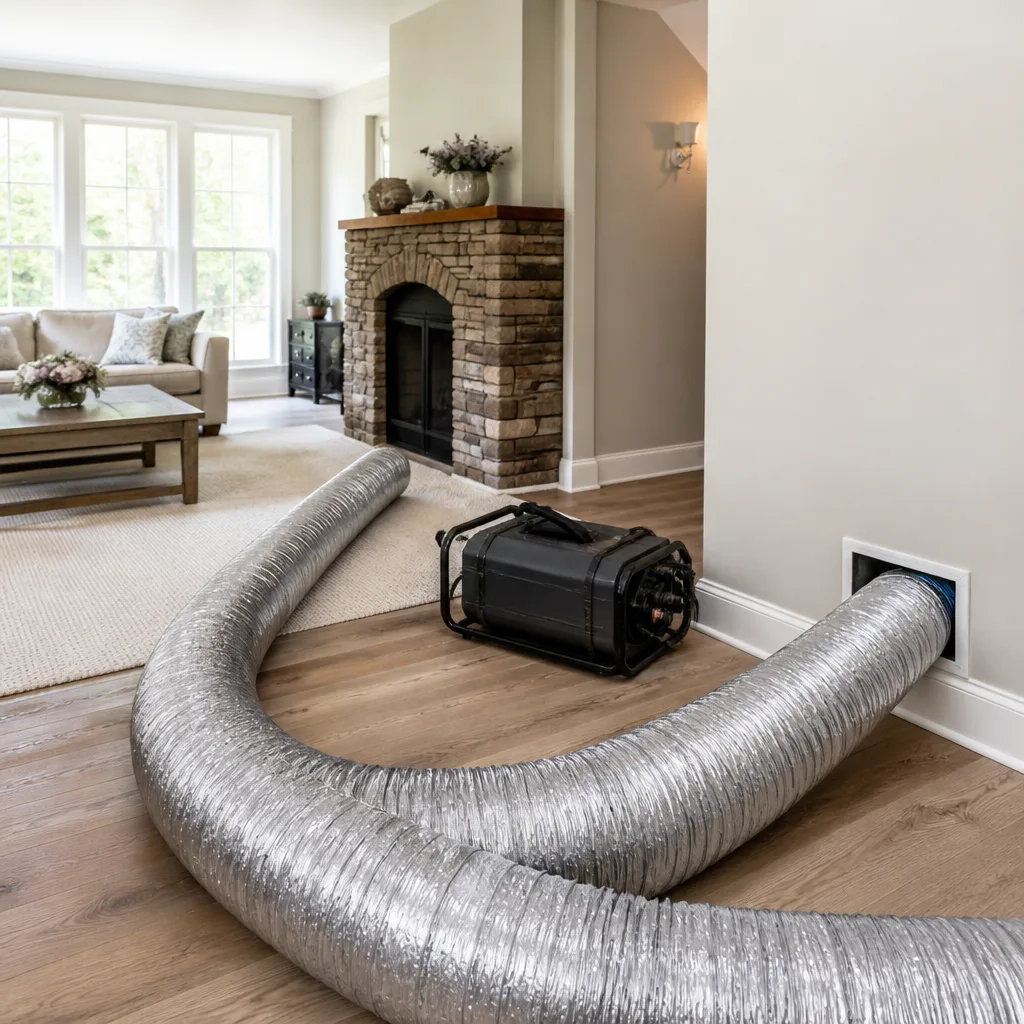 Whole-home duct cleaning
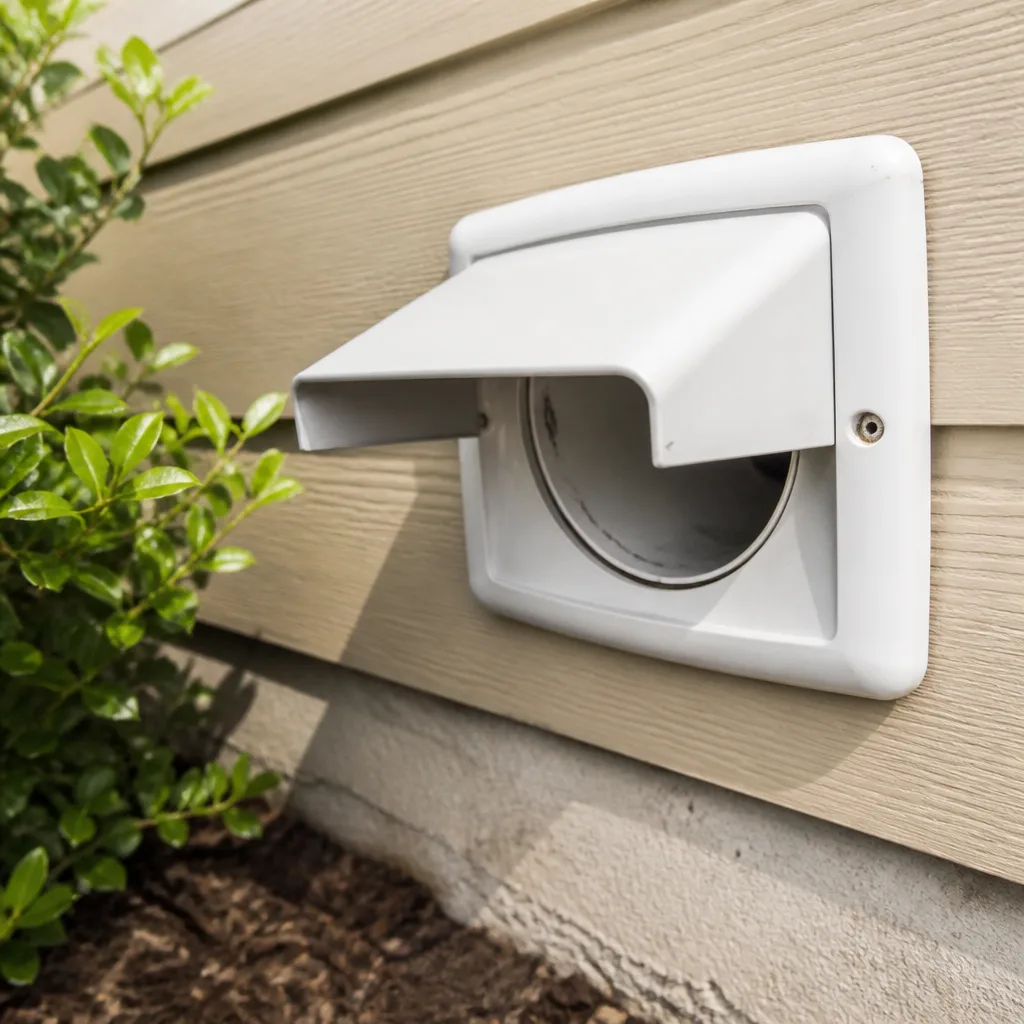 Dryer vent cleaning
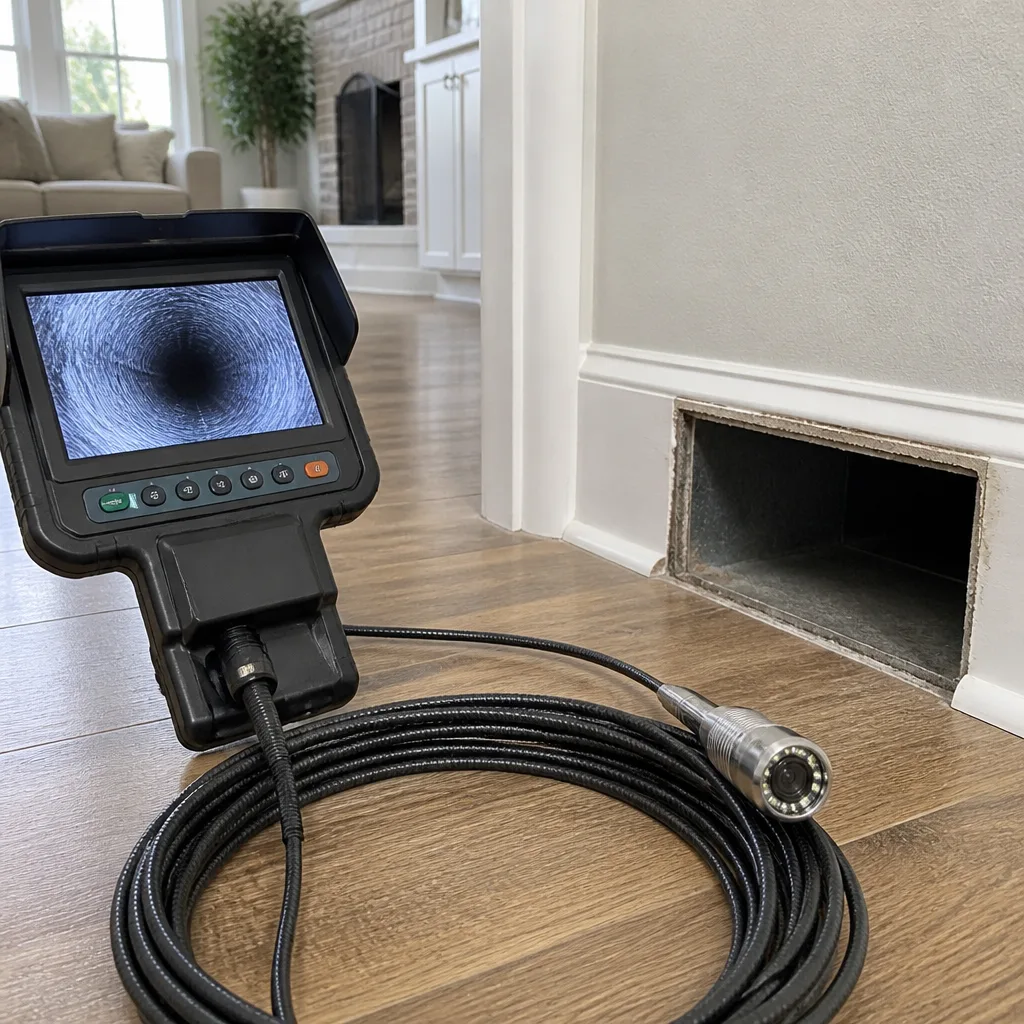 Camera inspection
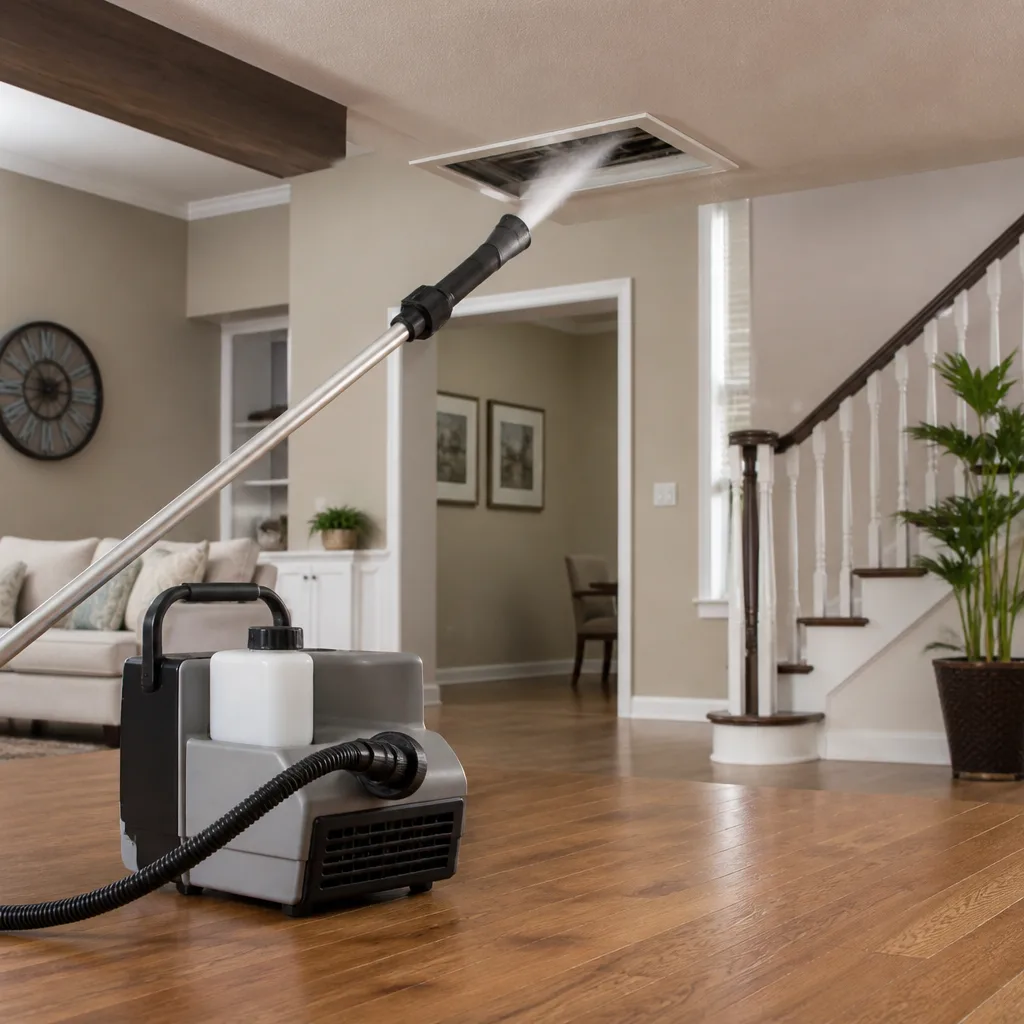 Sanitizing & deodorizing
Whole-system duct and dryer vent check with before-and-after photos - you see exactly what came out of your vents
That "$99 whole-house special" is a bait ad - the real number appears once they are in your hallway, or the "clean" is a shop-vac at the register. We photograph the inside of your ducts before and after instead.
The Complete Guide to Air Duct Cleaning in Holladay
Most air duct guides treat the duct system as if it were one long pipe. It isn’t. A house in Holladay has a furnace, an evaporator coil, a blower wheel, supply trunk lines, branch runs, and a set of registers that all have to work together, and when one part of that chain loads up with dust, the rest pay for it. That’s why a cleaning that skips the air handler isn’t really a cleaning at all. Here you’ll learn how Holladay’s elevation and inversion seasons shape what ends up in your ducts, the difference between real source removal and a quick blow-through, and how to read an inspection report so you know the work actually happened.
Quick Answer
Air duct cleaning in Holladay means removing built-up dust, debris, and contaminants from every part of the system, including the ducts, the air handler, the blower wheel, and the coil, using negative-pressure HEPA vacuum equipment and rotary brushes rather than compressed air alone. In this climate, homes run their heating systems far longer during inversion stretches than lower-valley neighborhoods do, so ductwork here can load up faster than national averages would suggest. A proper job takes several hours, includes before-and-after documentation, and is priced per system.
Styles & brands we work with
- Whole-home duct cleaning
- Dryer vent cleaning
- Camera inspection
- Sanitizing & deodorizing
Table of Contents
- Why Holladay’s Climate Changes What’s in Your Ducts
- Source Removal vs. Blow-and-Go: What the Difference Really Is
- The Air Handler and Coil: The Half Everyone Forgets
- Slab-on-Grade vs. Two-Story: How Holladay Home Types Change the Job
- What a Full Cleaning Actually Involves, Step by Step
- How to Read a Post-Cleaning Inspection Report
- Why Duct Repair and Sealing Belong in the Same Visit
- How Often Does Your Holladay Home Really Need This?
Why Holladay’s Climate Changes What’s in Your Ducts
Holladay sits at roughly 4,400 feet elevation, and that fact has consequences for your ductwork that a generic national guide won’t mention. During Utah’s winter inversion seasons, cold air gets trapped against the valley floor and particulates accumulate near ground level. Homes here end up running their heating systems 30 to 40% longer during those stretches than neighborhoods down-valley do, and every hour the blower runs pulls air through the same ducts. More runtime means more dust loading, and it compounds faster than the EPA averages most cleaning advice is based on.
That loading pattern looks different from what you’d see in a humid climate. Here the contamination tends to be dry, fine, and deeply settled. Construction dust after a remodel, drywall powder, carpet fibers, and seasonal pollen all coat the duct walls and the blower wheel, then get lifted every time the heat kicks on. In an older Holladay home the interior duct surfaces may have never been touched, and the first cleaning can pull out material that’s been there across multiple owners and multiple furnaces.
- Inversion-season runtime: longer heating cycles concentrate particulate buildup inside return and supply runs.
- Low humidity: dry air keeps debris powdery and airborne rather than sticking to duct walls, so it re-enters the living space more easily.
- Elevation and dust: homes near the canyons and wooded areas pick up a seasonal load of fine organic debris.
- Remodel cycles: a renovation in a Holladay house is often the single biggest contributor to new duct contamination.
None of this means every home needs cleaning on a schedule. It means the answer to “do I need this?” depends less on a calendar and more on what’s actually inside your system. The starting point for our Holladay Air Duct Cleaning work is always seeing what’s in the ducts, then doing something about it based on what we find.
Source Removal vs. Blow-and-Go: What the Difference Really Is
Source removal is the real method. It means the debris is captured and removed from the system, not just loosened. A negative-pressure setup pulls a high volume of air through the ducts while rotary brushes and agitation tools break material free from the walls, and the collected debris is trapped in the vacuum rather than drifting into your rooms. The equipment matters, and it’s the difference between a professional-grade Rotobrush rotary-brush system paired with Nikro HEPA vacuum equipment and whatever rig fits in the back of a pickup.
The other approach gets called blow-and-go, and it’s what a low-bid contractor rushes through. Compressed air or a shop vac is used to knock dust loose, the registers are left disconnected, and the debris either settles back into the ducts or blows into your living room. There’s no negative pressure, no real brush agitation, no documentation, and no way to verify that anything was removed. It looks like work for the time someone is in the house, then a week later the system is right back where it started.
A few things tell the two apart before any equipment comes in:
- Ask what equipment they use. A rotary-brush system and HEPA vacuum setup is a different conversation than “we have a big vacuum.”
- Ask whether they clean the air handler and coil. If the answer is only the ducts, that’s a partial job.
- Ask for before-and-after photos. Legitimate work produces them, of your system, not a stock image.
- Ask how the price is set. One flat price per system, agreed up front, is the honest model. Per-vent pricing invites the bait-and-switch.
Our air duct cleaning work uses the same rotary-brush and HEPA equipment commercial contractors rely on, because the method is the method whether it’s a house or a facility.
The Air Handler and Coil: The Half Everyone Forgets
Your ducts are the roads. Your furnace, blower wheel, and evaporator coil are the engine and the filter. Cleaning the roads while leaving the engine packed with dust doesn’t do much for the air coming out of your registers. The blower wheel is a set of curved fins that pushes air through the system, and when those fins coat with dust they lose efficiency, run louder, and throw fine debris back into the ducts you just cleaned. The evaporator coil is worse: a dirty coil can’t transfer heat properly, so the system works harder to do the same job.
This is where a lot of cheap cleanings quietly skip half the job. The ducts get a pass, the coil and blower don’t, and the homeowner has no idea because nothing was documented. In our experience, the coil and blower are often the dirtiest parts of a Holladay system, especially in homes that have been through a remodel or two.
- Blower wheel: caked fins reduce airflow and drive up runtime.
- Evaporator coil: a dust mat on the coil blocks heat transfer and can push the system toward icing or short cycling.
- Return plenum and blower compartment: these collect loose debris that re-contaminates the supply side if not cleared.
- Drain pan: standing water plus dust makes a growth surface, which matters for air quality downstream of the coil.
HVAC cleaning isn’t a separate, optional add-on for us. It’s part of a whole-system service, and our HVAC cleaning covers the components that sit between the return and the registers on the supply side.
Slab-on-Grade vs. Two-Story: How Holladay Home Types Change the Job
Holladay’s housing stock is a mix of mid-century ranch homes on slab and two-story houses with attic trunk lines, and the two require different cleaning protocols. A slab-on-grade house typically runs its ductwork under the floor, in a crawlspace or a shallow trench, which means rigid metal runs mixed with flex connections, and often a return duct that drops through a closet or central chase. A two-story house usually has a trunk in the attic with branch runs dropping down the walls and flex duct doing a lot of the work on the second floor.
Why does that matter? Different duct layouts collect debris differently and need different access points. Under-floor ducts on a slab can have long horizontal runs that are hard to reach without opening the right access panels, and flex duct in an attic needs gentler agitation than rigid metal so the inner liner isn’t torn. A cleaning crew that treats every house the same way either misses the far runs or damages the flex. Either way, you’re paying for a job that didn’t finish.
- Walk the layout first. Identify the trunk, the branch runs, the returns, and where access panels need to be cut or opened.
- Set negative pressure at the air handler. One large vacuum connection, sealed, so the whole system pulls from a single point.
- Work from the farthest register inward. Brush, agitate, then let the vacuum carry it out.
- Match the tool to the duct type. Rigid metal takes rotary brush work; flex needs gentler tools to protect the liner.
- Reconnect and verify. Registers back in place, system checked for airflow, and documentation captured.
If a home has both under-floor and attic ductwork, both get attention. There’s no shortcut around a house-by-house walkthrough.
What a Full Cleaning Actually Involves, Step by Step
Here’s what a proper full-system cleaning looks like, from arrival to closing walkthrough. This is the same sequence we follow for our dryer vent cleaning and duct work alike, adapted to the system being cleaned.
- Inspection and access. We walk the system, note the layout, and cut or open access panels as needed. You see what we’re working with before anything is disturbed.
- Negative pressure setup. A HEPA vacuum connects to the main trunk, creating a sealed negative-pressure environment so loosened debris leaves the system instead of entering the house.
- Rotary brush agitation. Rotary brushes work through each branch and the trunk, breaking material free from the duct walls. Flex runs get gentler agitation to protect the liner.
- Air handler and coil. The blower wheel, coil, and return plenum are cleaned separately, since they’re the source of much of the contamination downstream.
- Sanitizing where needed. When inspection shows biological growth or odor, an air quality and sanitizing treatment follows the cleaning, using Guardsman-grade products.
- Dryer vent, if included. If the appointment includes the dryer vent, the same visit handles it, which also matters for fire safety.
- Before-and-after photos. We capture images of your ducts showing the difference, so you have documentation, not a verbal promise.
- Walkthrough. You get a summary of what was found, what was cleaned, and anything that needs repair.
The equipment set behind this matters: Rotobrush rotary-brush systems, Nikro HEPA vacuums, and Abatement Technologies air-filtration equipment for remediation-level work. That’s professional-grade equipment, not rental-counter gear.
How to Read a Post-Cleaning Inspection Report
A legitimate cleaning ends with documentation you can actually read. The report should tell you what was cleaned, what condition it was in, and what was found that might need attention. If a contractor hands you a receipt and nothing else, ask why. Here’s what a good report includes:
- Before-and-after photos of each major duct section. Your ducts, not stock images. You should recognize the access points and register openings.
- Air handler and coil condition notes. Whether the blower wheel and coil were cleaned, and what condition they were in.
- Areas of damage or leakage found. Loose joints, disconnected flex runs, torn liners, or gaps at registers.
- Any sanitizing treatment applied. What was used and where.
- A note on what still needs attention. If a repair or sealing job is needed, it should be listed with an explanation.
Reading the report is also the easiest way to catch a blow-and-go job after the fact. No photos, no component notes, and no mention of the coil means the report itself is telling you the work was thin. In our experience, the clearest sign of a real job is a report you can hand to a future buyer of the house and they can actually follow it.
Why Duct Repair and Sealing Belong in the Same Visit
Cleaning a duct system reveals problems. Disconnected flex runs, torn liners, gaps at the register boots, and loose joints are all common, and they’re all things a cleaning inspection surfaces because the access panels are open and the system is under negative pressure. When that discovery happens, the right answer is to fix it then. Sending the homeowner off to find a second contractor for a five-minute sealing job is a bad experience and a bad handoff.
That’s why our service menu combines duct cleaning with duct repair and sealing, so a discovered leak or tear gets handled in the same appointment. For Holladay homes, the most common repairs we run into involve older rigid ductwork with loose seams and flex runs that have been compressed or torn by a previous remodel. Sealed ducts also mean the system holds its pressure, so the work you paid for actually reaches the rooms it’s meant to heat and cool. Better air starts at the source, and a sealed system is the source working properly.
We also work with Aprilaire and Honeywell indoor-air-quality products, which lets us bridge the gap between a cleaning and a longer-term air quality solution when a home needs filtration rather than just a one-time treatment.
How Often Does Your Holladay Home Really Need This?
There’s no universal schedule, and anyone who says otherwise is guessing. The real answer depends on your home: how long the system runs, whether there have been renovations, whether there are pets, whether anyone in the household has respiratory sensitivities, and whether the ducts have ever been cleaned. A Holladay house that runs the heat through long inversions, has had a kitchen remodel, and has a couple of dogs is on a very different clock than a newer two-story with light use.
- New construction or major remodel: clean after the work is finished, since drywall dust and framing debris get pulled straight into the system.
- New to you home: a cleaning gives you a baseline and a documented starting condition.
- Ongoing allergies or respiratory concerns: more frequent attention and possibly filtration work through an Aprilaire or Honeywell product.
- Visible dust at registers or persistent odor: an inspection tells you whether the problem is in the ducts or the air handler.
- Dryer vent: this one matters for fire safety regardless of the duct schedule. Lint buildup is a known cause of house fires.
The practical rule is to inspect first, then decide based on what’s actually in the system. A real inspection with photos gives you a defensible answer, and it’s the only one worth paying for.
Common Mistakes to Avoid
- Hiring on coupon price alone. A teaser coupon that becomes a larger invoice once the technician is on site is the classic trap. Ask for a flat price per system before the work starts.
- Skipping the air handler and coil. If the cleaning quote only mentions ducts, you’re paying for half the job. The blower wheel and coil need attention too.
- Accepting a job with no documentation. No before-and-after photos means no way to know the work happened. Ask for them in the estimate.
- Paying per vent. A per-vent price doesn’t reflect the actual work, which is whole-system. Whole-system pricing stays honest.
- Ignoring the dryer vent. It’s not the ducts, but it’s part of the air pathway and a real fire-safety concern in any Holladay home. Clean it on its own schedule.
- Assuming every flexible duct is safe to brush hard. Flex duct liners tear if the agitation is too aggressive. A competent crew adjusts the tool to the duct type.
- Cleaning but not sealing. A cleaned duct with loose joints loses pressure and re-contaminates. Repair and sealing should come in the same visit.
See the difference
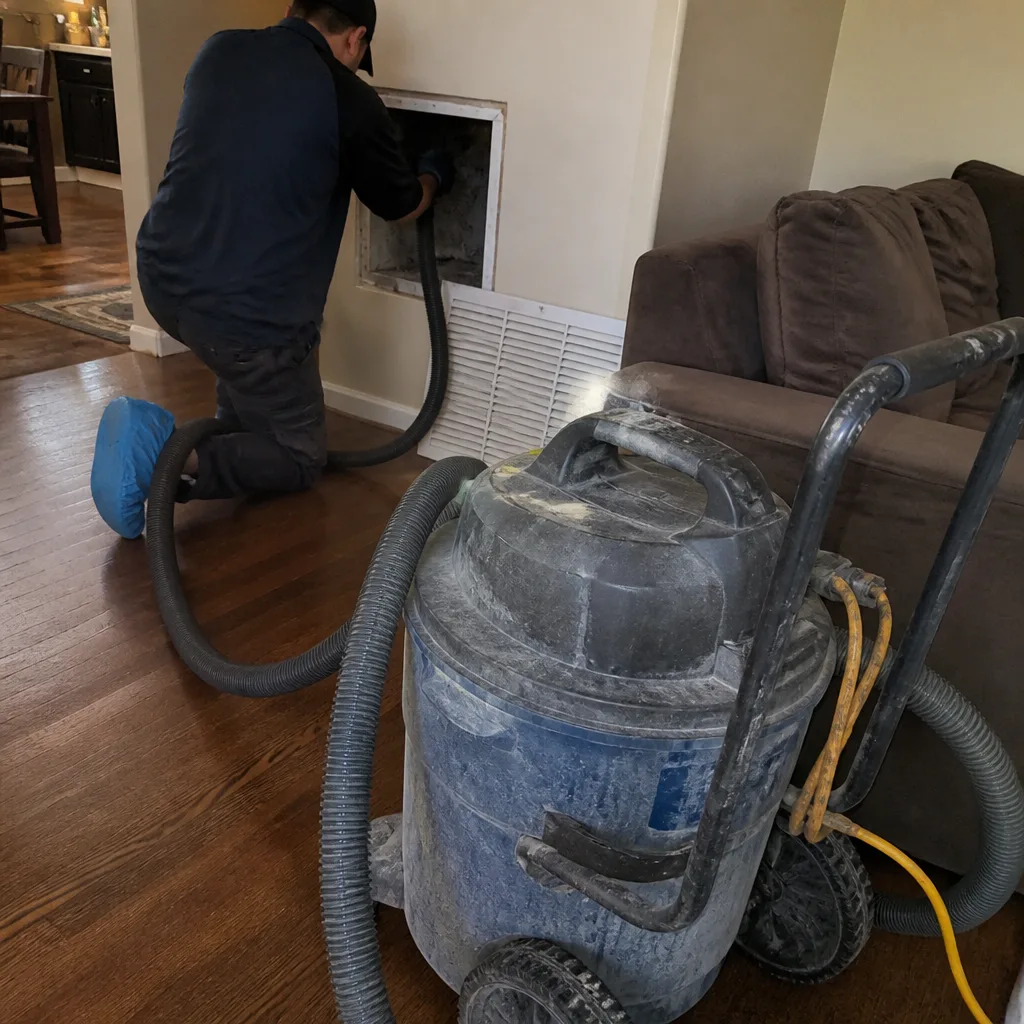 Before
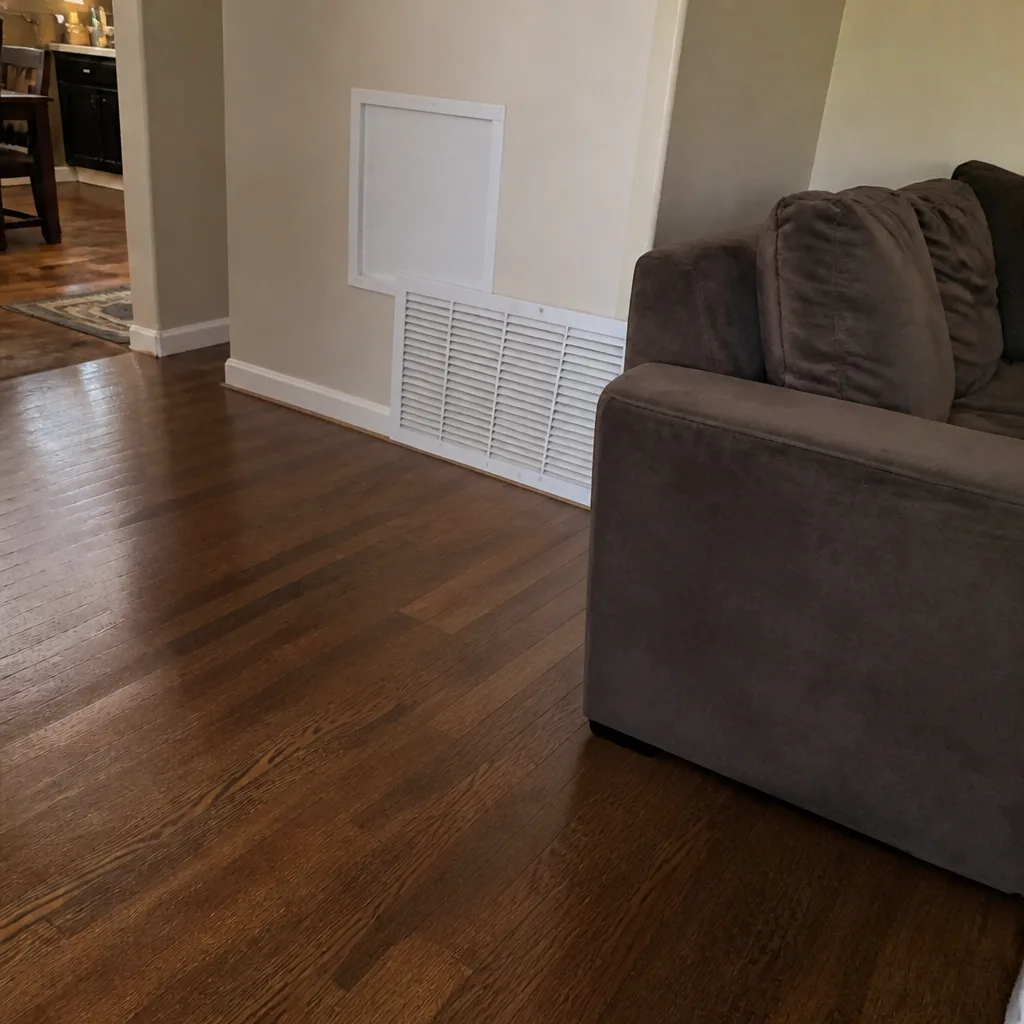 After
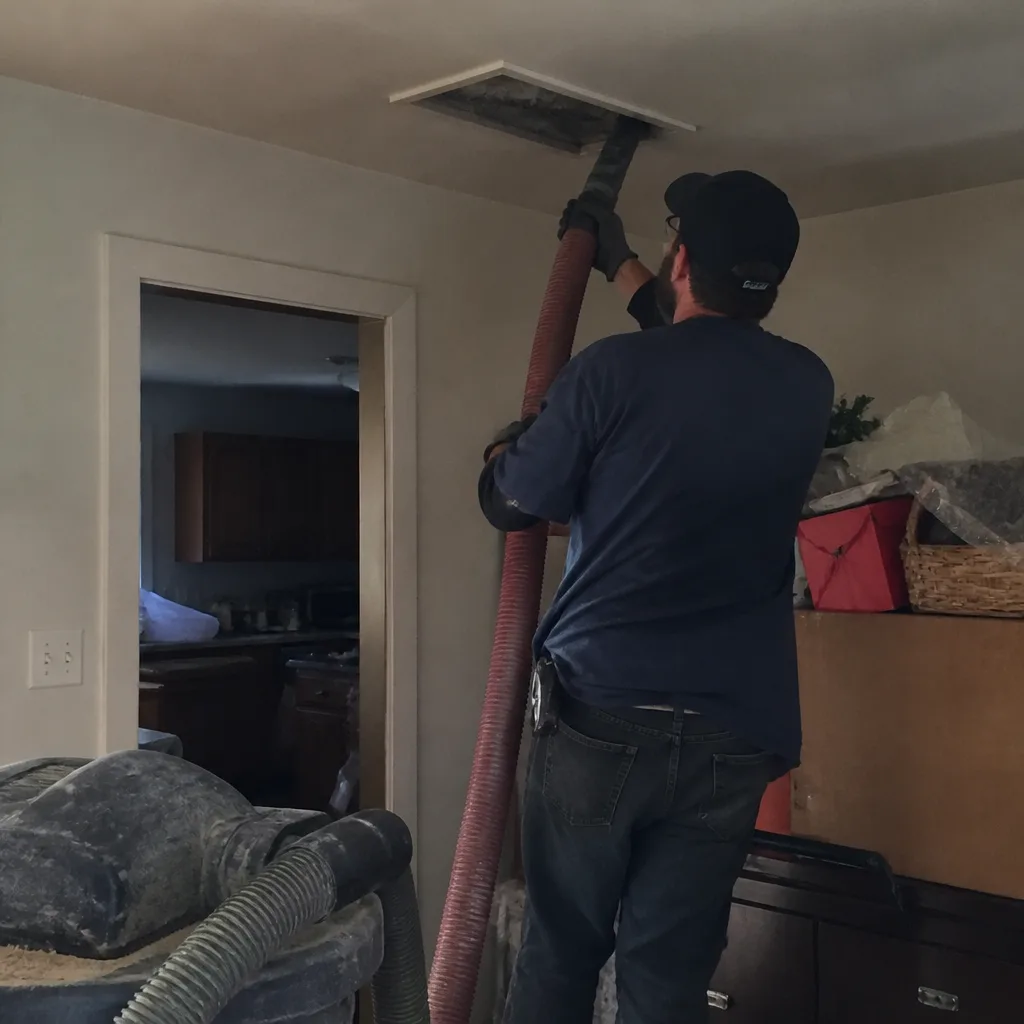 Before
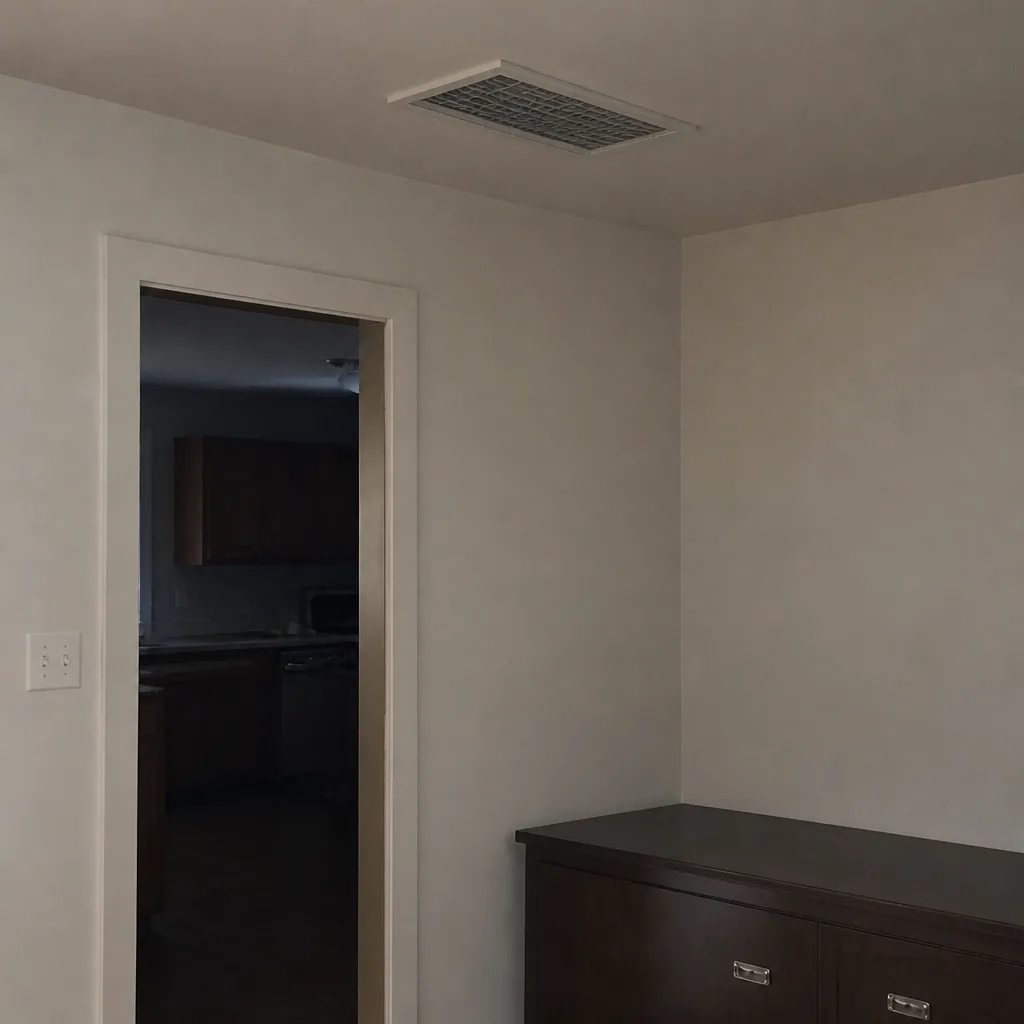 After
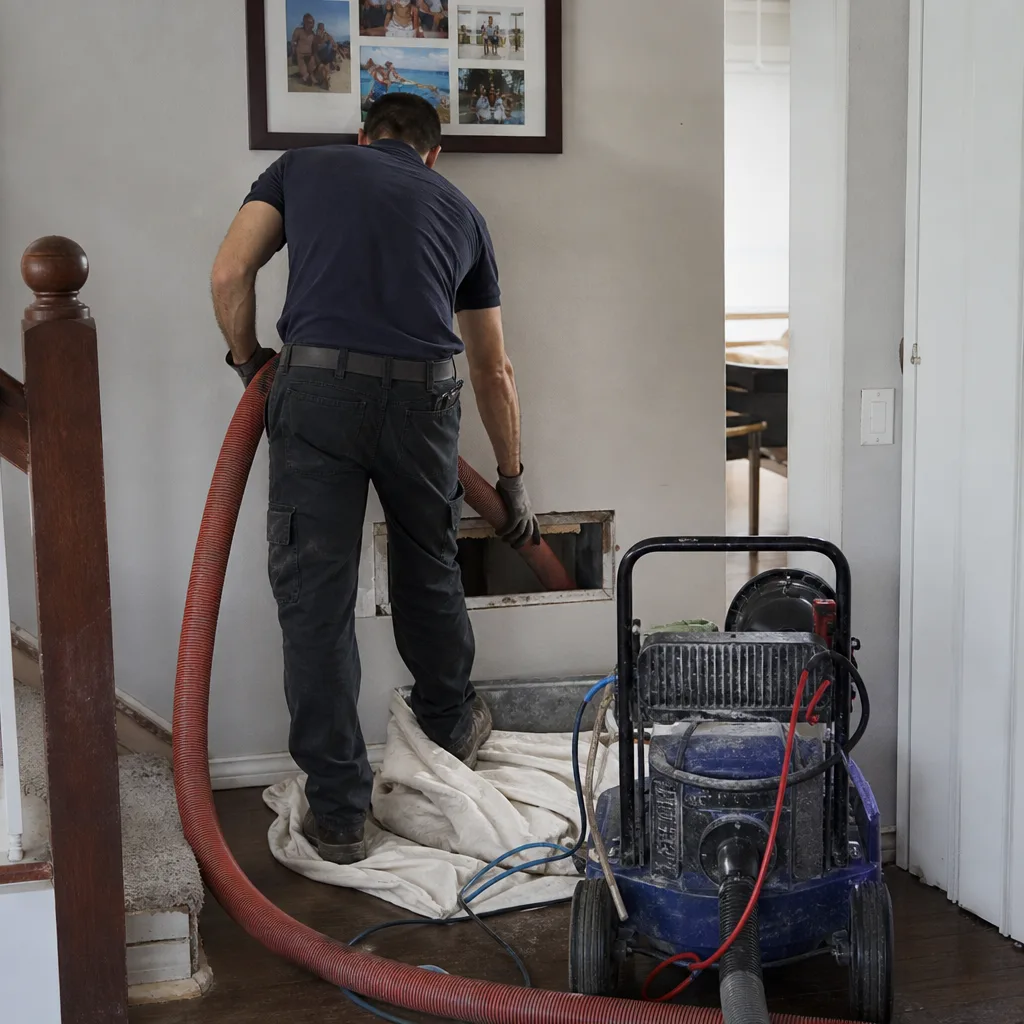 Before
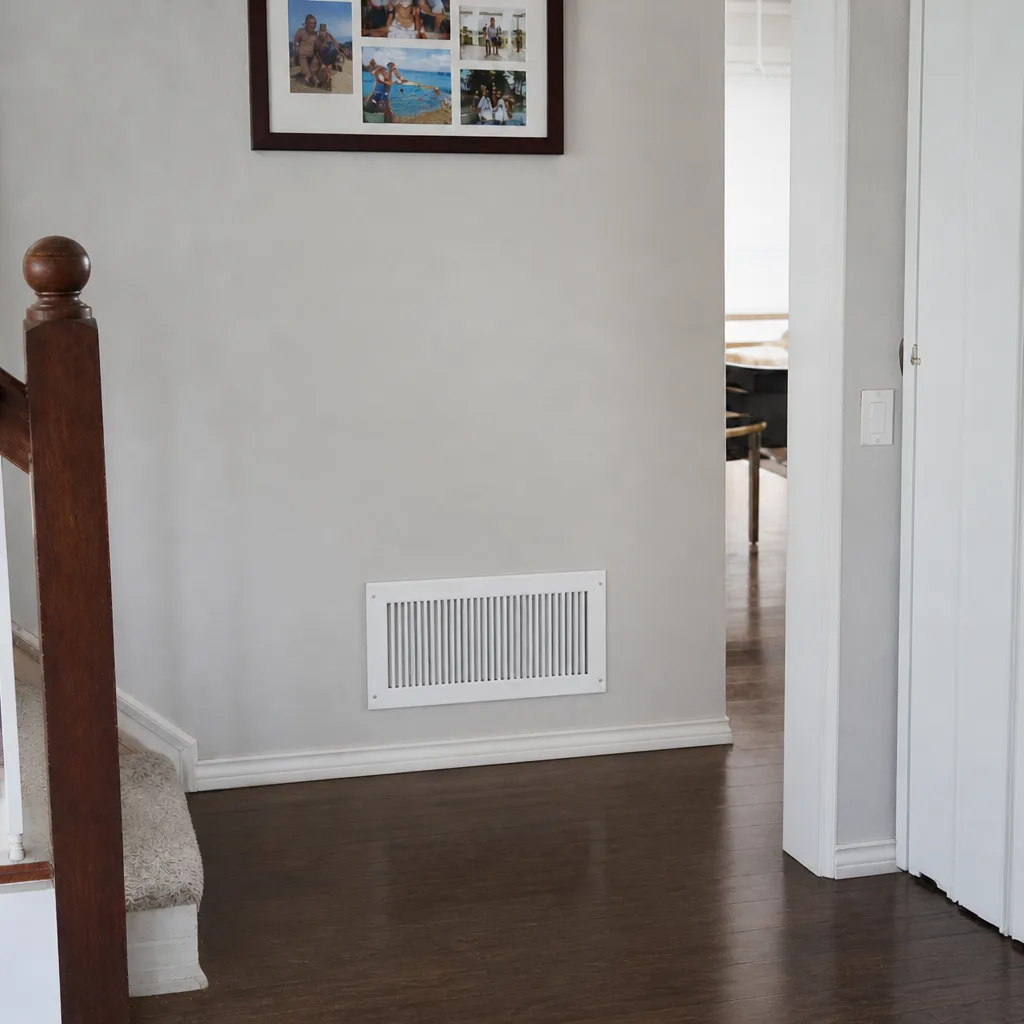 After
When to Call a Professional
Call a professional if you see visible dust buildup or dark streaking at your registers, if you notice a musty or stale smell when the system runs, or if your home has been through a recent remodel and the ducts haven’t been touched since. Respiratory symptoms that flare with the heating season are another signal worth checking. Homes with older ducting, damage found during an inspection, or a dryer vent that hasn’t been cleaned all fit the same category. None of this is a DIY job, especially the air handler and coil. Holladay Air Duct Cleaning offers free estimates in Holladay and uses professional-grade Rotobrush and Nikro equipment on every job. Call (844) 569-6978. We answer 24/7. Fast dispatch from 7am to 7pm, Sunday through Friday. Every job is one flat price per system, agreed before work starts, with before-and-after photos of your own ducts.
Frequently Asked Questions
Pricing in Holladay is set per system, not per vent, and depends on the size of the home, the layout of the ductwork, and whether the air handler and coil are included. Whole-system pricing is the honest model, because it reflects the actual work involved rather than a per-vent count that doesn’t match the job. The written estimate sets the final price. Call (844) 569-6978 for a free estimate and an exact quote for your home.
There’s no fixed schedule that applies to every home, but a good rule is to inspect first and clean based on what’s found. Holladay’s long inversion-season heating cycles load ducts faster than lower-valley neighborhoods, and a recent remodel or new-to-you home are both strong reasons to schedule a cleaning. Call (844) 569-6978 and we’ll walk through what makes sense for your system.
Because they’re pricing a different, thinner job. A low quote usually means compressed air or a shop vac instead of negative-pressure HEPA vacuuming, no rotary brush agitation, no air handler or coil cleaning, and no documentation. The job looks done for a day, then the system is back where it started. Call (844) 569-6978 for an honest, flat quote that covers the whole system.
You should get before-and-after photos of your own ducts and a report covering what was cleaned and what condition it was found in. If a company won’t hand you that documentation, that’s your answer. We document every job and walk you through the findings before we leave. Call (844) 569-6978 to schedule.
We clean both, because the air handler, blower wheel, and evaporator coil are where a lot of the contamination originates. Cleaning the ducts without addressing the air handler is only a partial job, and it’s a common shortcut in this trade. Our HVAC cleaning covers those components as part of a whole-system service. Call (844) 569-6978 for a free estimate.
Get it repaired and sealed in the same visit, if possible. A duct cleaning is the right time to find these problems, since the access panels are open and the system is under pressure, and fixing them on the spot avoids a second contractor and a second appointment. Our repair and sealing work is part of the same service. Call (844) 569-6978 to schedule an inspection.
The Bottom Line
A Holladay duct system succeeds or fails as a whole. The furnace, the blower wheel, the coil, the trunk lines, and the registers all have to work together, and a cleaning that skips the air handler or the coil isn’t a real cleaning. Holladay’s elevation and inversion seasons load ductwork faster than national averages suggest, so inspection and documentation matter more here, not less. Ask for real equipment, whole-system pricing, before-and-after photos, and repair and sealing in the same visit. That combination is what separates a source-removal job from a quick blow-through, and it’s what our Holladay Air Duct Cleaning team does on every appointment.
Written by the team at Holladay Air Duct Cleaning.